
الدراسة في سلوفاكيا — دليل شامل للطلاب العرب (2026)
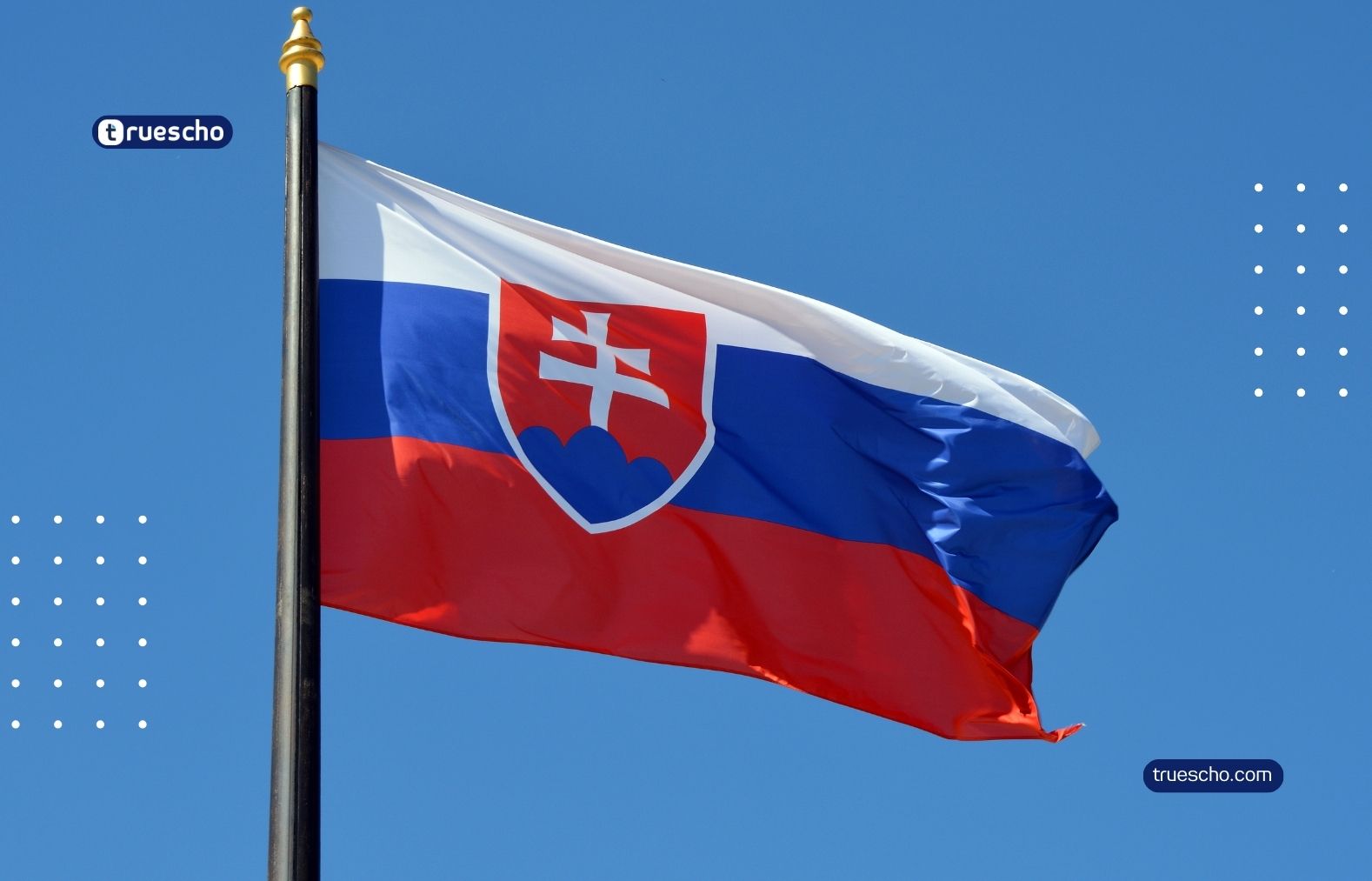
الدراسة في سلوفاكيا: دليل شامل للطلاب العرب عن الجامعات والتخصصات ومتطلبات القبول واللغة، تكاليف المعيشة والسكن، والمنح، وخطوات الإقامة الدراسية وفق الجهات الرسمية وروابط موثوقة.
أصبحت الدراسة في سلوفاكيا خيارًا متزايد الشعبية لدى الطلاب العرب خلال السنوات الأخيرة، خصوصًا لمن يبحثون عن دراسة أوروبية بتكلفة أقل نسبيًا من دول أوروبا الغربية، مع توفر برامج باللغة الإنجليزية في مجالات عديدة، وإمكانية بناء مسار أكاديمي أو مهني داخل الاتحاد الأوروبي. سلوفاكيا قد لا تملك “الضجيج الإعلامي” لدول مثل ألمانيا أو فرنسا، لكنّها عمليًا تقدّم معادلة جذابة: جامعات حكومية، مدينة طلابية هادئة، تكاليف معيشة أقرب للمنطق، وتجربة أوروبية كاملة في قلب القارة.
1) لماذا تختار الدراسة في سلوفاكيا؟
1) دولة أوروبية داخل الاتحاد الأوروبي
سلوفاكيا عضو في الاتحاد الأوروبي، وهذا يمنح شهاداتها وزناً أوروبياً، كما يسهّل لاحقًا التحرك الأكاديمي أو الوظيفي ضمن مسارات معينة، مع الالتزام بقواعد الإقامة والأنظمة.
2) برامج باللغة الإنجليزية موجودة (لكن ليست في كل شيء)
الجهات الرسمية في سلوفاكيا تشير إلى وجود برامج تُدرّس بالإنجليزية في مؤسسات التعليم العالي، مع دعم للطلاب الدوليين في جوانب مثل التأشيرات والسكن. الفكرة هنا: نعم يوجد إنجليزي، لكن عليك أن تبحث بدقة عن “برنامج إنجليزي” وليس فقط “جامعة فيها إنجليزي”.
3) تكلفة معيشة أقل من أوروبا الغربية في كثير من الحالات
قد تلاحظ فرقًا واضحًا في الإيجارات والطعام والمواصلات مقارنة بمدن كبرى في غرب أوروبا. هذا يجعل سلوفاكيا مناسبة لمن يريد أوروبا بميزانية أقل.
4) بيئة آمنة وهادئة للدراسة
سلوفاكيا غالبًا خيار جيد لمن يفضّل مدنًا أقل ازدحامًا، وحياة طلابية عملية تركّز على الجامعة.
5) خيارات منح ودعم (خصوصًا للموبيلية والتبادل)
هناك برامج رسمية مثل البرنامج الوطني للمنح في سلوفاكيا (National Scholarship Programme) الذي تديره SAIA ويدعم فئات مختلفة من الطلبة والباحثين ضمن “إقامات/موبيلية” أكاديمية.
يمكنك أيضاً الاطلاع على الدراسة في سنغافورة
2) نظام التعليم العالي في سلوفاكيا باختصار
المعلومة المهمة للطالب الدولي: التعليم العالي في سلوفاكيا قائم على مؤسسات تعليم عالٍ معتمدة وبرامج أكاديمية معتمدة. والبوابات الرسمية الخاصة بـ“الدراسة في سلوفاكيا” تقدم نظرة عملية على الجامعات والبرامج وتنظيم الدراسة.
المراحل الأساسية
- بكالوريوس
- ماجستير
- دكتوراه
والاختلاف الحقيقي يكون في:
- لغة التدريس (سلوفاكية/إنجليزية/لغات أخرى حسب البرنامج)
- شروط القبول (وثائق، مقابلة، امتحان، ملف أعمال… حسب التخصص)
- رسوم الدراسة (حسب الجامعة واللغة وطبيعة البرنامج)
3) كيف تختار الجامعة والبرنامج في سلوفاكيا بذكاء؟
إذا أردت قرارًا صحيحًا، لا تبدأ بالجامعة… ابدأ بهذه الأسئلة:
- هل تريد برنامجًا باللغة الإنجليزية أم السلوفاكية؟
- هل تخصصك يحتاج تدريب عملي قوي أم بحث علمي؟
- هل ميزانيتك تسمح بمدينة كبرى أم تفضّل مدينة طلابية أصغر؟
- هل لديك خطة بعد التخرج؟ (عمل/ماجستير/دكتوراه/عودة للبلد)
ثم استخدم بوابات رسمية مثل “Study in Slovakia” للوصول إلى قوائم الجامعات والبرامج وفهم الهيكل العام.
4) أشهر التخصصات المناسبة للدراسة في سلوفاكيا
المشهد الأكاديمي في سلوفاكيا متنوع، لكن عادةً ما يبحث الطلاب الدوليون عن:
- علوم الحاسوب وتقنية المعلومات
- الهندسة (ميكانيك/كهرباء/مدني/صناعي)
- إدارة الأعمال والاقتصاد والتمويل
- العلاقات الدولية والعلوم الاجتماعية
- العلوم الطبيعية (رياضيات/فيزياء/كيمياء)
- تخصصات صحية/طبية (غالبًا أكثر تنافسية وقد تتطلب شروطًا إضافية)
نصيحة صريحة: لا تختَر تخصصًا لأنه “منتشر على اليوتيوب”. اختره لأنك قادر على التفوق فيه، ولديك تصور واضح لمسارك بعده.
5) القبول ومتطلبات التقديم: ماذا ستحتاج غالبًا؟
المتطلبات تختلف حسب الجامعة والبرنامج، لكن الصورة العامة:
للبكالوريوس
- شهادة الثانوية + كشف درجات
- وثائق الهوية (جواز سفر)
- إثبات لغة (إن طُلب)
- أحيانًا: امتحان قبول/مقابلة/اختبار تخصص
- ترجمة رسمية للوثائق (حسب متطلبات الجامعة)
للماجستير والدكتوراه
- شهادة جامعية + كشف درجات
- سيرة ذاتية
- رسائل توصية
- بيان نوايا/خطة دراسية
- للدكتوراه غالبًا: مقترح بحث + توافق مع مشرف/قسم
ولأن الاعتراف/المعادلات قد تكون مهمة لبعض الحالات، لدى وزارة التعليم السلوفاكية صفحات رسمية حول الاعتراف بالمؤهلات الأجنبية وأدوات/بوابات مرتبطة بذلك.
يمكنك أيضاً الاطلاع على الدراسة في ليتوانيا للطلاب العرب
6) اللغة: هل تحتاج سلوفاكي أم يكفي الإنجليزي؟
- إذا برنامجك بالإنجليزية: ستحتاج عادة إثبات مستوى لغة وفق شروط البرنامج.
- إذا برنامجك بالسلوفاكية: ستحتاج مستوى سلوفاكي وقد يُطلب سنة لغة أو مسار تحضيري.
المهم: لا تفترض أن “الجامعة أوروبية = كل شيء إنجليزي”. بوابة وزارة التعليم نفسها تذكر وجود برامج إنجليزية، لكنها لا تقول إن كل شيء إنجليزي.
7) التكاليف في سلوفاكيا: كيف تخطط بواقعية؟
التكلفة تنقسم إلى:
- الرسوم الدراسية تختلف حسب الجامعة، البرنامج، ولغة الدراسة (البرامج الإنجليزية غالبًا أعلى في كثير من الدول، وقد ينطبق ذلك هنا حسب الجامعة).
- المعيشة أهم البنود:
- السكن (أكبر بند غالبًا)
- الطعام
- المواصلات
- التأمين الصحي
- مصاريف إقامة/إجراءات
قاعدة ذهبية: احسب ميزانية 12 شهرًا وليس “فصل دراسي”، وضع هامش طوارئ لأول شهرين (تأمين، وديعة، تجهيزات).
8) السكن في سلوفاكيا: خيارات واقعية للطالب الدولي
- سكن جامعي
- أرخص غالبًا
- قريب من الجامعة
- يتطلب تقديمًا مبكرًا لأن المقاعد محدودة
- شقة مشتركة
- مرونة أكثر
- تحتاج فهم عقود الإيجار والودائع والفواتير
- سكن طلابي خاص
- خدمات إضافية
- غالبًا أغلى
نصيحة مهمة: لا توقّع عقدًا طويلًا قبل فهم الشروط (مدة، وديعة، سياسة الإلغاء).
9) الإقامة للدراسة في سلوفاكيا: ماذا تقول الجهات الرسمية؟
للطلاب من خارج الاتحاد الأوروبي عادةً يوجد مسار الإقامة المؤقتة لغرض الدراسة (Temporary Residence for Study). وزارة الداخلية السلوفاكية لديها قسم رسمي يوضح أنواع الإقامات، بما فيها الدراسة. كما أن وزارة الخارجية (MZV) تعرض إرشادات حول إقامة الأجانب وكيفية تقديم طلب الإقامة المؤقتة عبر السفارات/القنصليات وفق القواعد.
ومن المفيد أيضًا أن “بوابة الهجرة الأوروبية” توضح بشكل منظم فكرة أن الطالب يجب أن يكون مقبولًا في مؤسسة تعليمية معتمدة، وتذكر أمثلة على الوثائق الأساسية المطلوبة لطلب الإقامة للدراسة.
ملخص عملي لمسار الإجراءات (بشكل عام)
- تحصل على قبول رسمي من الجامعة/المؤسسة التعليمية.
- تجهّز وثائق الإقامة المطلوبة (وفق القنصلية/السفارة + الجهات السلوفاكية).
- تقدّم الطلب بالطريقة الرسمية (غالبًا عبر السفارة/القنصلية أو وفق ما تسمح به القواعد لحالتك).
- بعد الموافقة، تكمل خطوات التسجيل/البطاقة/المراجعات حسب تعليمات الجامعة والجهات الرسمية.
مهم: إجراءات الإقامة يمكن أن تختلف حسب جنسيتك، بلد الإقامة الحالي، ونوع البرنامج، لذلك المرجع النهائي دائمًا هو الجهات الرسمية (وزارة الخارجية/الداخلية + الجامعة).
يمكنك أيضاً الاطلاع على الدراسة في جورجيا للطلاب العرب
10) المنح والتمويل في سلوفاكيا: أين تبحث رسميًا؟
أهم بوابتين رسميتين ومفيدتين:
- National Scholarship Programme (scholarships.sk): يدعم موبيلية/إقامات للطلاب والباحثين وفئات أخرى وفق شروط محددة.
- Study in Slovakia / SAIA: معلومات عن الدراسة والحياة والمنح ومصادر رسمية للطلاب الدوليين.
نصيحة واقعية: إذا هدفك “بكالوريوس ممول بالكامل من الصفر”، فكر بمنطق أوسع: (منح موبيليتي + دعم جزئي + تخطيط مالي) لأن التمويل الكامل للبكالوريوس ليس مضمونًا في كل الدول إلا عبر برامج محددة جدًا.
11) خطة عملية للتقديم من الصفر حتى السفر
الأسبوع 1–2
- اختر تخصصك + 2 بدائل
- حدّد لغة الدراسة
- اختر 3–6 برامج كحد أقصى (تقديم قوي أفضل من عشرات الطلبات الضعيفة)
الأسبوع 3–6
- جهّز الوثائق + الترجمات
- جهّز لغة/اختبارات إن طُلبت
- اكتب بيان نوايا واضح
بعد التقديم
- تابع بريد الجامعة والبوابة
- حضّر للسكن مبكرًا
- بعد القبول: ابدأ مسار الإقامة وفق تعليمات الجهات الرسمية
يمكنك أيضاً الاطلاع على الدراسة في إستونيا للطلاب العرب
12) أخطاء شائعة تضيّع على الطلاب فرصة الدراسة في سلوفاكيا
- التقديم بدون التأكد من لغة البرنامج
- تجاهل موضوع الترجمة/التوثيق للوثائق
- الاعتماد على “تجربة شخص” بدل الجهات الرسمية في الإقامة
- ميزانية غير واقعية (خاصة أول شهرين)
- التقديم المتأخر للسكن
خاتمة
الدراسة في سلوفاكيا خيار أوروبي عملي ومناسب لمن يريد شهادة أوروبية بتكاليف معقولة نسبيًا، مع وجود برامج باللغة الإنجليزية وفرص منح/موبيلية عبر جهات رسمية. إذا خططت بشكل صحيح (اختيار برنامج مناسب + ملف قوي + فهم مسار الإقامة رسميًا) فستحصل على تجربة دراسية مستقرة ومفيدة فعلًا.
مصادر وروابط رسمية
Scholarships Expert
كاتب في مدونة Truescho — نقدم محتوى موثوق عن المنح والدراسة والهجرة.