
Study in Saudi Arabia for International Students 2026: A Comprehensive Guide to Universities, Costs, Scholarships, and Student Visa
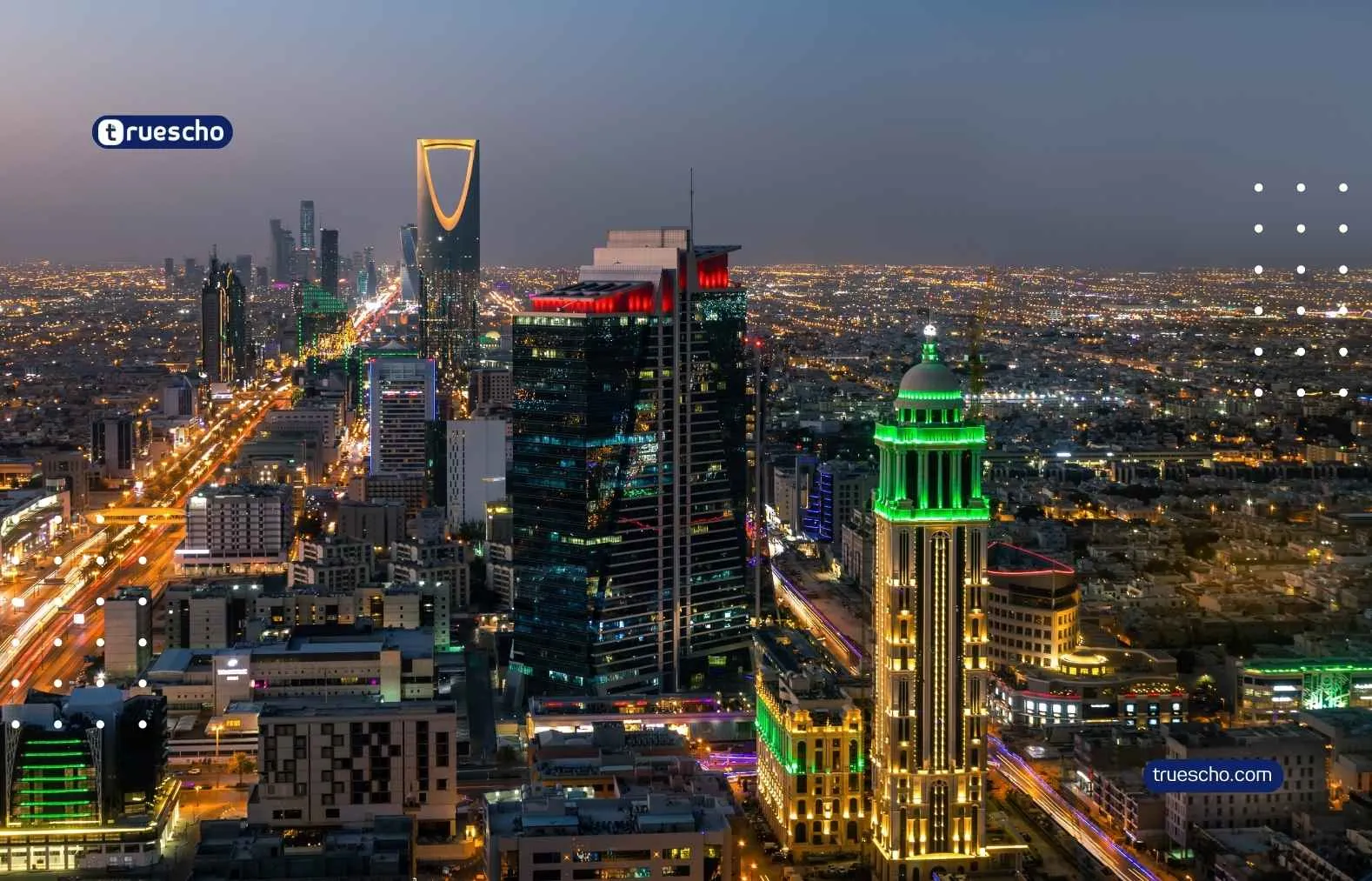
Studying in Saudi Arabia for International Students 2026: Discover the advantages of studying at Saudi universities, study and living costs, the best fully funded scholarships, and admission requirements and the student visa process step by step, with official links and up-to-date information.
Studying in Saudi Arabia for international students has become one of the rapidly emerging options in recent years, especially with the major transformations taking place in the education sector under “Saudi Vision 2030,” along with massive investments in universities, scientific research, and innovation. The Kingdom is no longer just a destination for work or Hajj and Umrah; it has become an important academic hub in fields such as medicine, engineering, energy, artificial intelligence, and Islamic and Arabic studies.
In this comprehensive guide, you will learn almost everything you need to know about studying in Saudi Arabia: the advantages of studying, the best universities, types of scholarships, study and living costs, admission requirements, application steps through the “Study in Saudi” platform, and student visa requirements.
Why Study in Saudi Arabia for International Students?
There are several reasons that make studying in Saudi Arabia an attractive option for international students:
Strong Universities with Advanced Rankings
The Kingdom has dozens of public and private universities, many of which appear in advanced global and regional rankings, such as King Saud University, King Abdulaziz University, King Fahd University of Petroleum and Minerals, and King Abdullah University of Science and Technology (KAUST).
Specializations Linked to the Global Job Market
Saudi Arabia is a leader in oil and gas, engineering, business administration, digital transformation, cybersecurity, artificial intelligence, and health sciences, giving its graduates an advantage in regional and international labor markets.
Generous Scholarships for International Students
The Saudi Ministry of Education provides scholarships for non-Saudi students at public universities, often including tuition exemption, accommodation, health insurance, and other benefits. These are offered through the “Study in Saudi” portal and directly through universities.
An Islamic and Cultural Environment Suitable for Many Students
For students from Arab and Islamic countries, Saudi Arabia offers a cultural and religious environment very close to their traditions, with the opportunity to live near the Two Holy Mosques and visit them relatively easily.
Massive Investment in Education and Scientific Research
Programs such as the KAUST Fellowship represent a model of highly funded research scholarships that fully cover tuition fees, provide monthly stipends, on-campus housing, health insurance, and travel support.
Overview of the Higher Education System in Saudi Arabia
Types of Universities
Public Universities Supervised by the Ministry of Education, they offer subsidized or free seats, especially through scholarships. The list of public universities is published on the Saudi Ministry of Education website under the “Public Universities” section.
Private Universities and Colleges They offer bachelor’s, master’s, and doctoral programs with tuition fees, along with some scholarships or discounts, such as Prince Sultan University and Prince Mohammad bin Fahd University. The list of private universities and colleges is available under the “Private Universities and Colleges” section on the ministry’s website.
Technical and Vocational Training Institutions Such as programs of the Technical and Vocational Training Corporation (TVTC), which offer applied programs linked to the labor market.
You can also explore the Khalifa University Graduate Scholarship
Language of Instruction
Arabic is the main language of instruction in many programs, especially theoretical and Sharia-related fields. There are full programs taught in English, particularly in medicine, engineering, sciences, computer science, and business administration at universities such as KAUST, KAU, and KFUPM.
Academic Levels
Bachelor’s degree (usually 4–5 years). Master’s degree (an average of 2 years). Doctorate (3–4 years after the master’s degree).
Best Universities in Saudi Arabia for International Students
There are many universities that accept international students, including:
- King Saud University – Riyadh
- King Abdulaziz University – Jeddah
- King Fahd University of Petroleum and Minerals – Dhahran
- King Abdullah University of Science and Technology (KAUST) – Thuwal (near Jeddah)
- Imam Mohammad ibn Saud Islamic University – Riyadh
- Umm Al-Qura University – Makkah
- Imam Abdulrahman bin Faisal University – Dammam
- As well as several private universities such as Prince Sultan University and Prince Mohammad bin Fahd University.
Types of Study Funding in Saudi Arabia
Through the “Study in Saudi” platform and university websites, funding can be classified into three main categories:
Fully Funded Scholarships
They usually include:
- Full tuition fee exemption
- University housing or housing allowance
- Health insurance
- Monthly stipend (in some scholarships approximately between 800 and 1,000 USD)
- Annual round-trip airfare in some programs
Partially Funded Scholarships
- Tuition fee reductions
- May partially include housing, insurance, or a small financial allowance
Self-Funded Study
- The student pays full tuition fees and covers living, housing, and insurance costs
- The student may benefit from university housing or campus facilities according to available regulations and fees
Major Scholarship Programs in Saudi Arabia
1. Saudi Government Scholarships via the “Study in Saudi” Platform
The Study in Saudi platform is an official platform developed by the Ministry of Education to facilitate the admission of non-Saudi students to universities and colleges in the Kingdom. It displays fully funded, partially funded, and paid programs.
Through the platform, you can:
- Search for universities and programs available to international students
- Learn about scholarship details (funding, conditions, duration)
- Apply electronically and track your application, later linking it to a study visa in cooperation with the Ministry of Foreign Affairs and relevant authorities
2. Public University Scholarships for International Students
The Ministry of Education explains on the “Scholarships in Public Universities” page that the Kingdom provides “special care” for international scholarship students at public universities, including free study and other benefits.
You can follow the international scholarships section on each public university’s website.
3. Advanced Research University Scholarships (Example: KAUST Fellowship)
King Abdullah University of Science and Technology (KAUST) offers one of the strongest research scholarships in the region for master’s and doctoral programs, usually including:
- Full coverage of tuition and laboratory fees (which may reach 35,000 USD per year)
- Annual living stipend approximately between 20,000 and 30,000 USD depending on level and academic progress
- On-campus housing with utility costs
- Health insurance
- Visa and travel support
4. Other University Scholarship Examples
Universities such as King Fahd University of Petroleum and Minerals and King Abdulaziz University also offer scholarships for international students that include tuition, housing, and health insurance.
Study and Living Costs in Saudi Arabia
The following figures are approximate and subject to change depending on the university and city, but they provide a general overview.
1. Tuition Fees
Based on compiled data about studying in Saudi Arabia 2025, annual tuition fees for international students (in universities that allow self-funded study) range between:
- Approximately 3,000–10,000 euros per year (about 12,000–40,000 Saudi riyals, depending on exchange rates, specialization, and university)
In public universities under official scholarships, students are usually fully exempted from tuition fees.
2. Living Costs
Educational sources that monitor the cost of studying in Saudi Arabia estimate the average living cost for an international student at:
- Approximately 800–1,500 euros per month (including housing, food, transportation, and personal expenses), which is roughly equivalent to 3,200–6,000 Saudi riyals per month, with significant variation depending on the city and the student’s lifestyle.
With fully funded scholarships, a large part of these costs is covered through university housing and monthly stipends.
You can also explore the United Arab Emirates University Postgraduate Scholarship
General Admission Requirements in Saudi Universities for International Students
Requirements vary by university, but general requirements can be summarized as follows:
- High school certificate or equivalent (for bachelor’s programs), or bachelor’s/master’s degree for graduate studies
- Official, translated transcripts (if required)
- Age requirements in some programs (such as a minimum age of 16 for some Study in Saudi programs)
- Proof of language proficiency:
- Arabic programs: passing Arabic language tests or interviews
- English programs: certificates such as IELTS/TOEFL or university-specific tests, noting that some programs do not officially require them, but many top universities do
- Valid passport
- Medical report proving freedom from infectious diseases
- Academic recommendations (especially for graduate programs)
- CV and motivation letter for some competitive programs
Steps to Apply for Studying in Saudi Arabia (Step by Step)
Step 1: Choose the Specialization and Type of University
Decide whether you prefer a public university with a scholarship or a private university with tuition fees.
Step 2: Verify Recognition
Ensure that the university is recognized in your home country and that degree equivalency is possible through the relevant authorities.
Step 3: Review the University Website or the “Study in Saudi” Platform
Visit the university website and look for “International Students” or “Scholarships,” or use the Study in Saudi platform to search for programs and apply directly.
Step 4: Prepare Documents
- Valid passport
- Translated and certified academic certificates
- Personal photos
- Medical reports if required
Step 5: Online Application
Fill out the application on the university website or the Study in Saudi platform, upload documents, and pay application fees if applicable.
Step 6: Receive Admission and Confirmation
If accepted, you will receive a conditional or final offer letter. For fully funded scholarships, funding details will be included.
Step 7: Start Student Visa Procedures
After admission, student visa procedures begin in coordination between the university and the Saudi Ministry of Foreign Affairs.
Student Visa in Saudi Arabia
Responsible Authorities
The Saudi Ministry of Foreign Affairs provides the “Study visa request” service for educational institutions. Universities issue acceptance and visa support letters.
General Visa Requirements
- Passport valid for at least 6 months with two facing blank pages
- Recent passport-sized photos
- Official acceptance letter from a Saudi university
- Visa application form
- Proof of financial ability or scholarship letter
- Medical report
- Police clearance certificate in some countries
Visa processing time is usually relatively short if documents are complete, but early preparation is recommended.
You can also explore the H.H. Sheikh Hamdan Bin Zayed Scholarship - Abu Dhabi University
Can You Work While Studying in Saudi Arabia?
Some sources indicate that the new educational visa system allows limited opportunities for research and possibly part-time work in specific cases, but details vary by university and case. Other sources state that part-time work for international students remains restricted and generally not permitted outside the university without official authorization.
Therefore, it is unsafe to rely on part-time work as a primary source of income.
Student Life in Saudi Arabia
Housing
Many public universities provide on-campus or nearby student housing, especially for scholarship students. In fully funded scholarships, housing is often free or at nominal cost.
Transportation
Transportation relies mainly on taxis, ride-hailing apps, and buses in some cities. With the expansion of metro and public transport projects, options are gradually improving.
Culture and Daily Life
Saudi society is increasingly diverse, especially in major cities hosting global cultural and sports events. Respect for local regulations and customs is essential, while universities offer active student life through clubs and activities.
Practical Tips Before Deciding to Study in Saudi Arabia
- Focus on the university before the country
- Understand scholarship details carefully
- Plan financially even with a scholarship
- Verify degree equivalency in your home country
- Start visa procedures early
Scholarships Expert
Writer at Truescho Blog — We provide trusted content about scholarships, study abroad, and immigration.