
Study in Bahrain for Arab Students 2026: Universities, Costs, Admission and Student Life
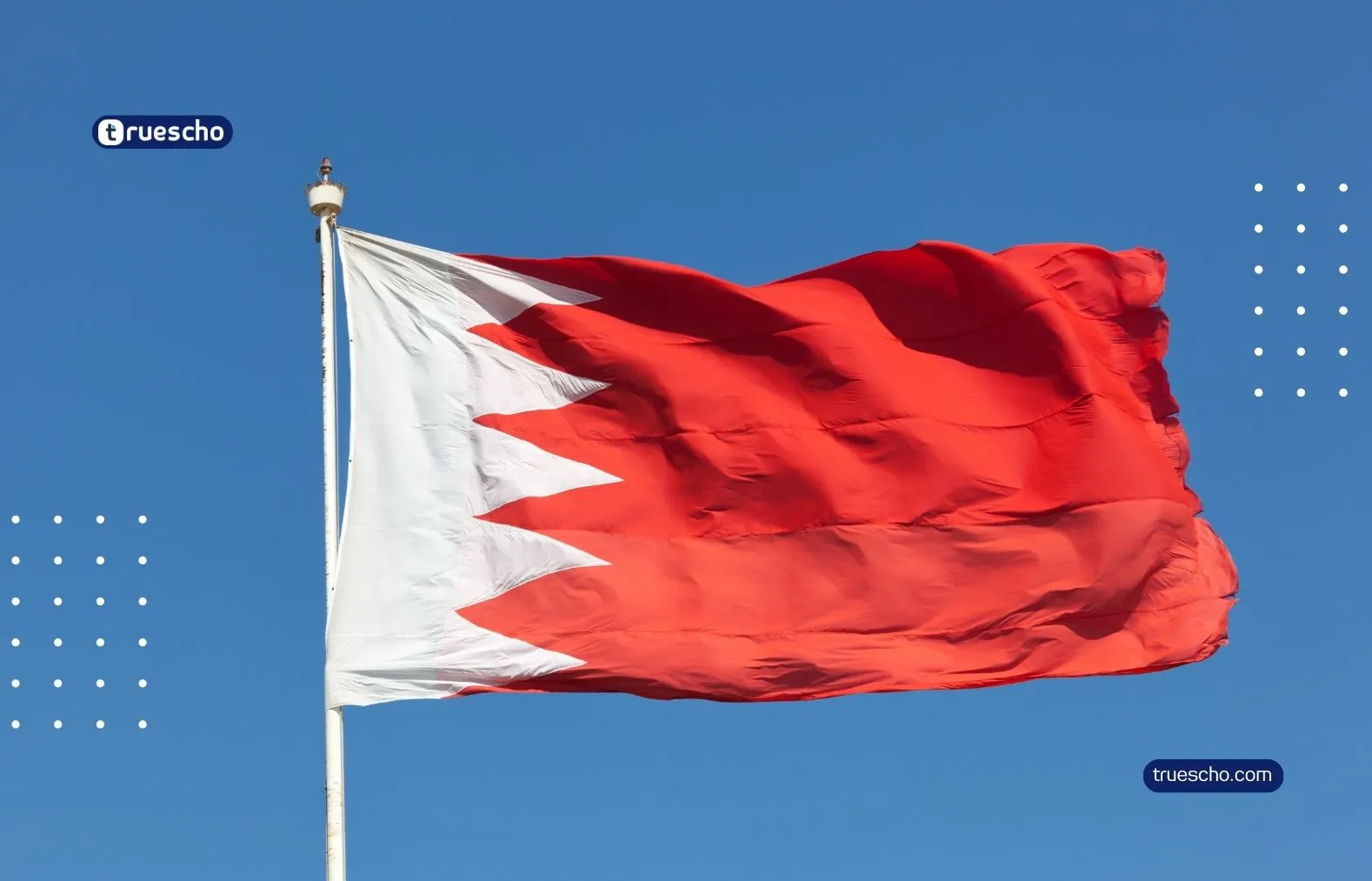
Study in Bahrain for Arab students 2026: a complete guide to public and private universities, popular programs, tuition fees, living costs, admission requirements for Bachelor’s and Master’s degrees, language of instruction, student visa procedures, scholarships and work options, plus practical tips before applying.
The Kingdom of Bahrain is emerging as an attractive higher education hub in the Gulf region. Through its Higher Education Council (HEC), the government regulates universities, promotes quality assurance, and supports the establishment of private and international higher education institutions as part of Bahrain’s Economic Vision 2030.
For Arab students, studying in Bahrain offers:
- A culturally familiar Arabic environment with strong use of English in universities and the workplace
- Proximity to home countries across the Middle East and North Africa
- Academic programs aligned with regional labor market needs, especially in business, engineering, IT and finance
- A relatively compact, safe and student-friendly country to live in
2. Overview of Higher Education in Bahrain
Bahrain’s higher education system includes:
- Public universities
- Private local universities and colleges
- Branch campuses of international universities
All institutions are overseen by the Higher Education Council, which aims to position Bahrain as a regional hub for quality private higher education by 2030.
The system covers a wide range of fields:
- Engineering and Technology
- Business and Finance
- IT, Cybersecurity and Data Science
- Medicine and Health Sciences
- Education and Humanities
- Media, Design and Communication
You can also explore the Studying in Kuwait for Arab Students
3. Key Advantages for Arab Students
- Cultural and linguistic proximity Arabic is the official language, while English is widely used in academia and business. This combination can ease the transition for Arab students who want regional familiarity and international exposure at the same time.
- Programs linked to Gulf labor markets Many programs, particularly at applied institutions like Bahrain Polytechnic, are designed to prepare work-ready graduates who fit directly into Bahrain’s and the wider Gulf’s economic vision and employer needs.
- Strong focus on business and financial services As a regional financial center, Bahrain offers attractive study and internship opportunities in finance, banking, accounting, and fintech.
- Manageable size and easier adaptation The country’s relatively small size and interconnected communities can make it easier for international students to adapt socially and practically (transport, services, networking).
- Scholarship and funding options Many universities provide partial scholarships or discounts based on academic merit, early payment, or specific criteria. Some students also benefit from government, regional or organizational scholarships that allow them to study in Bahrain.
4. Main Universities in Bahrain
4.1 University of Bahrain (UoB)
The University of Bahrain is the main public university, offering undergraduate and postgraduate programs in engineering, IT, business, education, science, humanities and more. UoB publishes dedicated information for international students, including admission requirements, required documents, and tuition information.
4.2 Bahrain Polytechnic
Bahrain Polytechnic is an applied higher education institution focusing on hands-on, industry-aligned programs in engineering, technology, business, communications and design. Its programs are designed to produce work-ready graduates in line with Bahrain’s 2030 economic vision.
4.3 American University of Bahrain (AUBH)
The American University of Bahrain (AUBH) is a private institution that follows an American-style curriculum and offers programs in engineering, business, media, and liberal arts, with a strong emphasis on English-medium instruction and international standards.
4.4 Other private universities
Several other private universities in Bahrain welcome international students and, in some cases, offer packaged options that include accommodation, student visa, medical coverage and tuition in a single plan.
5. Popular Study Fields
Among the most popular study programs for international (and especially Arab) students:
- Business Administration, Accounting, Finance, Marketing
- Engineering (Civil, Mechanical, Electrical, Industrial)
- Computer Science, Cybersecurity, Data Science
- Media, Public Relations, Digital Design
- Education and Teacher Training
- Nursing and Health Sciences
- Law and Legal Studies
These fields reflect the structure and needs of Bahrain’s and the Gulf’s job markets.
6. Tuition Fees in Bahrain
Tuition levels vary by institution, program and whether you are a local or an international student. Based on publicly available data and estimates:
- Bachelor’s programs for international students
- Typically around 6,000–10,000 USD per year at many public and private institutions.
- Master’s programs
- Often within 6,000–12,000 USD per year, or calculated per credit hour.
- International/private universities and specialized programs may charge higher fees, especially in high-demand or professionally accredited fields.
Always check the official tuition tables on each university’s website to get accurate, up-to-date figures in Bahraini Dinar (BHD) or USD.
You can also explore the Studying in Qatar
7. Cost of Living and Accommodation
Cost of living in Bahrain is moderate compared to some other Gulf countries. According to cost-of-living guides for Manama:
- Living expenses (excluding rent) for a single person
- Roughly 220–380 BHD per month, covering food, transportation, communication and basic personal expenses.
- Accommodation (rent)
- For a student or single person: approximately 200–350 BHD per month for a small apartment or shared housing, depending on location and facilities.
This means a student might reasonably budget:
- Around 420–730 BHD per month for both rent and daily living costs, though lifestyle and housing choices can increase or reduce this total.
8. Admission Requirements
8.1 Bachelor’s admission
Although each university sets its own criteria, typical requirements for international applicants include:
- High school diploma (or equivalent) with a suitable overall grade
- Official transcript showing subjects and marks
- Copy of a valid passport
- Passport-sized photos
- Sometimes a CV and motivation letter
- Proof of English proficiency for English-taught programs (IELTS, TOEFL, or institutional English placement test)
The Higher Education Council requires that high school certificates and transcripts be authenticated through official channels in the country of schooling, and then by the relevant authorities in Bahrain.
8.2 Master’s admission
For Master’s programs, universities commonly ask for:
- Recognized Bachelor’s degree in a relevant field
- Minimum GPA (often 2.5–3.0 out of 4.0, depending on the program)
- Official university transcripts
- Two (or more) recommendation letters
- Updated CV
- Statement of Purpose / Motivation letter
- Proof of English proficiency for English-medium programs
9. Language of Instruction
In Bahrain you can find:
- Programs taught fully in Arabic (especially in education, some law and humanities programs)
- Programs taught fully in English, particularly in engineering, IT, business and international/private universities
- Some mixed or bilingual programs
Minimum English-language requirements often include IELTS (for example, 6.0 overall or higher) or equivalent TOEFL scores, or passing an institutional English test or preparatory program.
10. Student Visa and Application Process
International students from Arab countries usually need a student visa to study in Bahrain. The process is often coordinated between the university and the relevant government authorities. A typical pathway is:
- Choose a program and university and submit an online application with required documents.
- Receive a conditional or unconditional offer.
- Prepare the visa documentation, which generally includes:
- Valid passport
- Photos
- Authenticated and translated academic documents
- Proof of adequate financial resources
- Health insurance
- The university may support the student with visa procedures and, in some cases, offer bundled packages that include visa, accommodation and medical coverage.
Because visa and residence regulations can change, always follow the latest instructions from your chosen university and the official Bahraini authorities.
11. Scholarships and Financial Aid
According to student-life and scholarship guides for Bahrain:
- Many universities offer partial scholarships or tuition discounts for high-achieving students, early payers, or students meeting specific criteria.
- Government scholarships mainly target Bahraini nationals, but some regional or international programs may support non-Bahraini students studying in Bahrain.
- Arab students can also explore scholarships from organizations, foundations, or employers in their home countries that accept Bahrain as a study destination.
You can also explore the Study in the UAE
12. Working During and After Studies
- Part-time work opportunities for international students depend on Bahrain’s labor and immigration laws, and may require specific permits or approvals.
- Some students secure paid or unpaid internships during their studies, especially in business, engineering, and IT fields.
- After graduation, graduates may look for jobs in Bahrain or elsewhere in the Gulf region, but staying to work legally requires transitioning to a suitable work visa status in line with current regulations.
13. Practical Tips for Arab Students
- Verify recognition of your chosen university and degree with your home country’s ministry of higher education or credential evaluation body.
- Review all details about tuition fees, extra charges and refund policies directly on the university’s official website.
- Compare accommodation and living costs between different areas and plan a realistic monthly budget.
- Strengthen your English proficiency even if your main language of study is Arabic, as English remains crucial for Gulf labor markets.
- Contact current or former students through social media groups to get first-hand impressions of programs, campuses and life in Bahrain.
- Build a clear financial plan for the first year, covering tuition, rent, visa and residence permits, insurance and initial settling-in costs.
With this overview, you have a solid foundation to decide whether studying in Bahrain as an Arab student matches your academic goals, budget and career plans.
- Bahrain National Portal – Universities and Higher Education https://www.bahrain.bh
- University of Bahrain – Official website (Admission, Programs and Fees) https://www.uob.edu.bh