
Study in Brunei Darussalam — Complete Guide for International Students (2026)
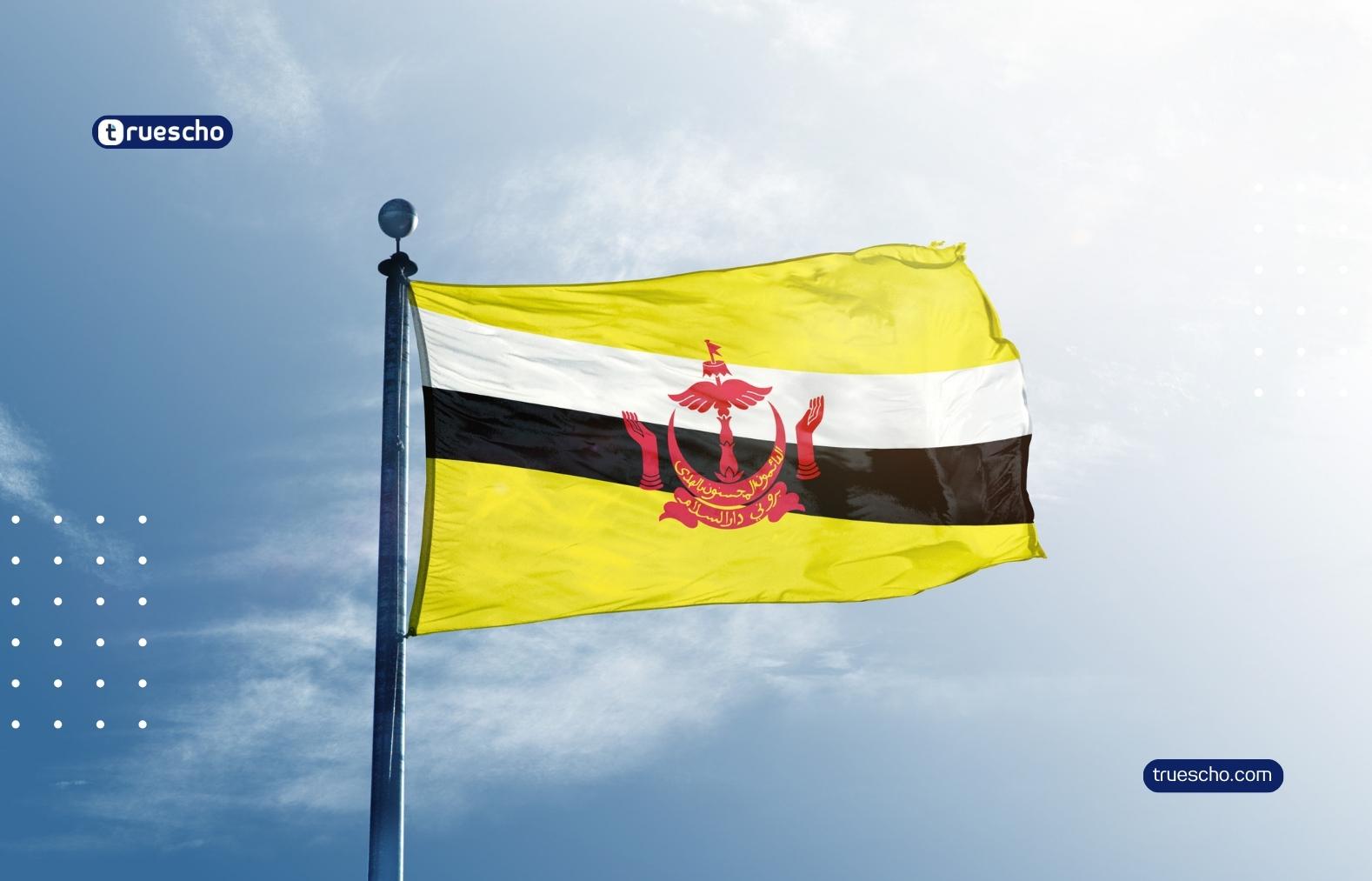
Study in Brunei Darussalam: a complete guide covering universities, popular majors, admissions and English requirements, HECAS applications, costs and housing, scholarships, and official student pass procedures.
Studying in Brunei Darussalam is an underrated but smart option for international students who want a calm, safe, well-organized environment—often with strong English usage in higher education and a culturally conservative setting that many students find comfortable. Brunei is not a “mega-city destination,” and that’s exactly why it can work so well: fewer distractions, more stability, and a study-focused lifestyle.
1) Why choose Brunei for university?
1) Safety and stability Brunei is known for being safe and orderly—ideal for students who want to focus on academics without constant stress.
2) A culturally conservative, Muslim-majority environment Many students value a society with familiar cultural norms, while still having international academic standards.
3) Strong English presence in higher education English is widely used across university-level learning, references, and academic communication in many programs.
4) Recognized public higher education institutions Brunei’s Ministry of Education lists key higher education institutions, including UBD, UTB, UNISSA, and Politeknik Brunei.
5) A practical gateway to an “Asia study experience” without extreme complexity Brunei’s systems are often straightforward when you follow official instructions (university + government portals).
You can also explore the Study in Singapore
2) Where can you study in Brunei? Key pathways
A) Public universities and higher education institutions
Common options include:
- Universiti Brunei Darussalam (UBD)
- Universiti Teknologi Brunei (UTB)
- Universiti Islam Sultan Sharif Ali (UNISSA)
- Politeknik Brunei
These are reflected in the Ministry of Education’s higher education listing.
B) National application ecosystem (important for applicants)
Brunei has an online platform (HECAS) used for applications to local higher education institutions and provides information for international applicants as well.
Practical takeaway: always prioritize the university’s official admissions pages, and use national portals when your target institution/program requires it.
3) Popular majors and strong areas in Brunei
Brunei can be especially attractive if you choose programs aligned with the country’s institutional strengths and offerings. Common study areas include:
- Engineering and technology (often linked with UTB and industry exposure)
- Computer science / IT (depending on annual program availability)
- Business, economics, and management (varies by faculty and intake)
- Health-related programs (typically more competitive, higher English requirements)
- Islamic studies and Shariah-related fields (commonly associated with UNISSA)
- Applied diploma pathways (Politeknik Brunei)
A direct, honest tip: don’t choose a major just because it’s available. Choose it because you can excel in it and because it matches your post-graduation plan.
4) Admissions requirements: what you’ll usually need
Admissions differ by institution and program, but many applicants should prepare:
Undergraduate
- Secondary school certificate + transcripts
- Proof of English proficiency (as required)
- Passport copy
- Supporting documents (activities, awards, etc., if relevant)
UBD’s official international admissions pages give clear examples of English requirements (e.g., IELTS/TOEFL) and show higher thresholds for specific health programs.
Master’s / PhD
- Bachelor’s degree + transcripts
- CV
- Recommendation letters
- Statement of purpose
- Research proposal (especially for PhD)
You can also explore the Study in Cyprus for Arab students
5) English requirements: what level is expected?
Many programs require standardized proof such as IELTS/TOEFL or recognized alternatives, depending on the institution. For UBD, for example, the official pages mention IELTS 6.0 (general benchmark) and higher requirements for certain health-related tracks.
Practical advice: tests matter, but academic performance in English depends on writing, reports, presentations, and teamwork. Prepare for that reality early.
6) How to apply: a practical step-by-step approach
Step 1: Define your target
- Degree level (UG / Master’s / PhD)
- Major + 1–2 alternatives
- Real annual budget
Step 2: Shortlist institutions
- Read official admissions pages
- Confirm document list and English requirements
Step 3: Follow required portal pathways HECAS is a key Brunei online application platform and includes international applicant information.
Step 4: Build a complete application packet
- Passport, transcripts, certificates
- Certified translations if required
- English test results
- SOP / CV / recommendations (as applicable)
Step 5: Apply early Early application improves your chances of securing housing and managing student pass processing smoothly.
7) Costs and budgeting: what to expect
Costs depend on:
- institution and program (UG vs PG)
- housing type (on-campus vs off-campus)
- lifestyle (food, transport, personal spending)
Brunei is often perceived as more manageable than some major Asian hubs, but you still need disciplined planning.
Key expense categories:
- tuition
- housing (usually the biggest)
- food
- transportation
- health/insurance requirements
- personal and setup costs (SIM card, deposits, etc.)
Golden rule: budget for 12 months and keep a startup buffer for the first 1–2 months.
You can also explore the Studying in Argentina for Arab Students
8) Student housing options
1) On-campus housing
- Pros: safe, convenient, student community
- Cons: limited capacity; early application recommended
2) Shared apartments off-campus
- Pros: flexibility and location choices
- Cons: deposits, contracts, utilities, roommate fit
3) Private student residences
- Pros: services and facilities
- Cons: can be more expensive
Never sign a long contract without fully understanding the terms (deposit, cancellation, duration, bills).
9) Scholarships: can international students get funded?
Brunei has a known scholarship scheme often referred to as the Government of Brunei Darussalam Scholarship for Foreign Students, which has been announced in multiple years and typically targets study at institutions such as UBD/UTB/UNISSA and others.
How to approach it smartly:
- follow official announcements and the specific academic year
- prepare a strong academic profile
- ensure documents and English proof are ready early
- avoid relying only on social media posts (requirements can change)
10) Student pass / visa: what’s the official route in general?
A simple rule applies almost everywhere: No student pass without a confirmed admission offer.
Brunei’s government services portal includes a service entry for obtaining a student pass, listing required documents (which may vary by case).
A practical high-level flow:
- receive official admission offer
- follow university guidance for immigration/student pass steps
- prepare any medical/police/financial documents if required
- submit via official channel(s) and track status
- complete issuance and entry formalities
Some universities also publish their own guidance pages for visa and pass procedures for incoming international students.
Important: immigration rules can change, so rely on the government portal + your university’s latest instructions.
You can also explore the Studying in Estonia for Arab Students
11) Student life in Brunei: realistic expectations
- generally calm, conservative lifestyle
- strong emphasis on respecting rules and local norms
- good environment for study and personal development
- nightlife and big-city entertainment are limited compared to major Asian capitals
- university clubs and events exist, but the vibe is more study-centered
If you need constant external stimulation, plan your balance: academics + fitness + campus activities + skill-building.
12) A practical timeline (from zero to arrival)
Week 1
- choose major + alternatives
- shortlist 2–3 institutions/programs maximum for strong applications
Weeks 2–4
- prepare documents + translations
- build CV
- draft a focused SOP (why Brunei, why this program, your plan)
Weeks 5–8
- submit applications
- track portals and email
- prepare for any interviews if required
After admission
- apply for housing immediately
- begin student pass procedures
- prepare arrival budget (deposits + first month)
13) Common mistakes to avoid
- using unofficial sources for visa/student pass rules
- applying late and rushing housing
- ignoring English thresholds
- picking a program with no clear career/academic plan
- underestimating setup costs (deposits, first month expenses)
You can also explore the Studying in Georgia for Arab Students
Conclusion
Studying in Brunei Darussalam can be an excellent choice if you want a safe, stable, culturally comfortable environment with structured systems and reputable public institutions. Success comes from choosing the right program, applying early, preparing documents professionally, and following official student pass guidance through the government portal and your university. Do that well, and Brunei can offer a strong, focused academic journey.