
Study in Spain 2026: The Complete Guide for International Students
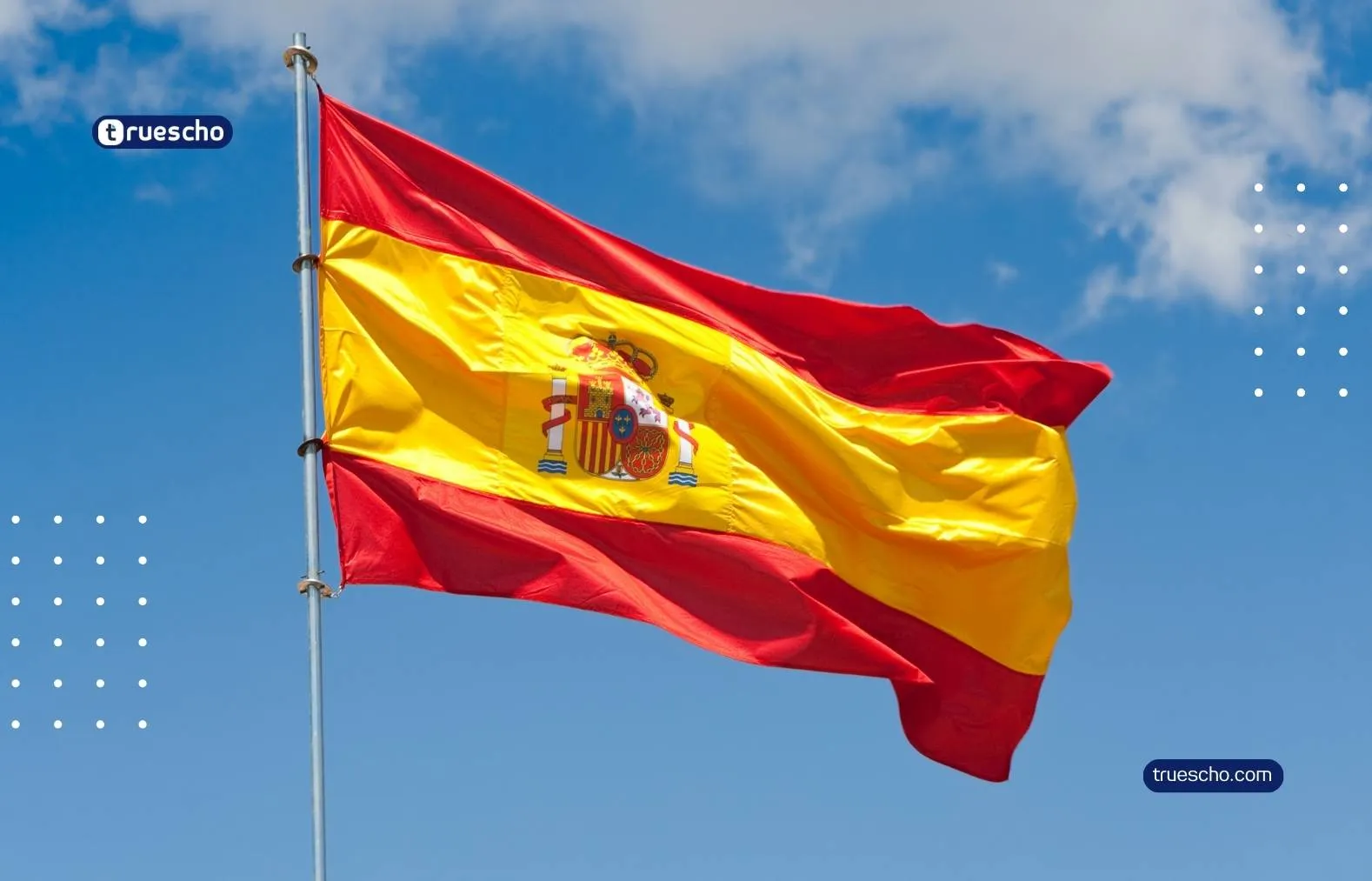
Planning to study in Spain? This complete guide explains the Spanish higher education system, top study fields, tuition fees, living costs, scholarships, and how to apply for universities, a student visa, and a residence permit.
Spain is one of Europe’s most attractive destinations for international students. It offers a combination of relatively low tuition fees at public universities, a long academic tradition, a warm Mediterranean lifestyle, and a strategic position that connects you easily with the rest of Europe.
The official Study in Spain portals, supported by the Spanish Government and ministries such as the Ministry of Industry and Tourism and the Ministry of Education, provide international students with structured information about programmes, visas, scholarships, and practical life in Spain.
In this guide you will learn about:
- Key advantages of studying in Spain
- The higher education system and types of institutions
- Popular and in-demand study fields
- Tuition fees and living costs
- Scholarships and funding options
- How to apply to Spanish universities
- Student visa and residence permit rules
- Work opportunities during and after your studies
Main Advantages of Studying in Spain
1) Affordable Tuition Fees
Compared to many Western European countries, tuition fees in Spain are relatively low – especially at public universities. Bachelor’s programmes at public universities typically range from around €800 to €2,500 per year, while private universities and business schools can charge significantly higher fees.
2) Strong Academic Tradition and Recognition
Spain has a long university tradition dating back to medieval times, and official degrees from Spanish universities are recognised for academic and professional purposes in many countries worldwide.
There are official tools such as the QEDU degree database and the RUCT register that list all recognised universities and official bachelor’s, master’s and doctoral degrees in Spain, ensuring transparency and quality.
3) Attractive Student Cities
From historic campuses in cities like Salamanca to vibrant metropolitan areas such as Madrid, Barcelona, Valencia and Seville, Spain offers a wide variety of student environments: beaches, mountain ranges, rich cultural life, and active nightlife – all supported by efficient public transport networks.
4) Large Number of English-Taught Programmes
Although Spanish is the main language of instruction, there is a growing number of English-taught bachelor’s and master’s programmes, especially in business, engineering, tourism management, and international studies.
5) Official Information and Guidance
The Study in Spain portals and SEPIE (Spanish Service for the Internationalisation of Education) provide official guidance about:
- What to study and where
- How to apply
- Scholarships and mobility programmes
- Recognition and validation of foreign qualifications
You can also explore the Study in South Korea
Structure of Higher Education in Spain
Higher education is overseen by the Spanish ministries responsible for universities and education, working with national agencies to ensure quality and internationalisation.
There are three principal types of institutions:
- Public Universities
- Offer a wide range of official bachelor’s, master’s and doctoral degrees.
- Charge comparatively low tuition fees, especially in Spanish-taught programmes.
- Private Universities and Business Schools
- Often specialise in business, management, international relations, and similar fields.
- Charge higher tuition fees but may offer strong connections with industry and international networks.
- Language Schools and Institutes
- Focus on Spanish language courses for foreigners.
- Many are referenced in the official Study in Spain portal and Ministry of Education information pages.
Degrees and Study Levels
Bachelor’s Degrees
- Duration: usually 4 years (240 ECTS) for most bachelor’s programmes.
- Language: primarily Spanish, but a growing number of programmes are offered in English in selected universities.
Master’s Degrees
- Duration: typically 1–2 years (60–120 ECTS).
- Can be research-oriented or professionally oriented, depending on the field and institution.
Doctoral Degrees (PhD)
- Research-focused and supervised by university doctoral schools.
- May involve collaboration with research centres and industry.
Popular and In-Demand Study Fields
Some fields particularly aligned with Spanish and European labour market needs include:
- Engineering (civil, mechanical, electrical, telecommunications)
- Computer science, data science, AI and cybersecurity
- Business administration, finance, marketing and tourism management
- Marine and naval engineering
- Health sciences (depending on university and region)
Choosing a field with strong demand can increase your chances of obtaining internships and job offers after graduation.
Admission Requirements and Language Criteria
Academic Requirements
- Bachelor’s level: A secondary school certificate equivalent to the Spanish “Bachillerato”. Foreign non-university qualifications may need to be recognised or validated via official procedures of the Ministry of Education.
- Master’s level: A relevant bachelor’s degree from a recognised institution, often with specific prerequisite courses and a minimum GPA.
- PhD level: A research-oriented master’s degree or equivalent qualification, a research proposal, and academic references.
Language Requirements
- For Spanish-taught programmes: Proof of Spanish language proficiency (often B2 or higher), for example via DELE or other recognised tests.
- For English-taught programmes:
Universities commonly accept IELTS, TOEFL or PTE scores at levels around:
- IELTS 6.0–6.5 for bachelor’s
- IELTS 6.5–7.0 for master’s (or equivalent in other tests)
Supporting Documents
Most universities will also ask for:
- CV/Resume
- Motivation letter
- Academic or professional references
- Portfolio for creative disciplines
You can also explore the Study in Italy
Tuition Fees for International Students
Tuition fees depend on your nationality, the type of institution, and the programme. For many non-EU/EEA students:
- Public universities: Bachelor’s tuition usually ranges from about €800 to €2,500 per year; master’s between roughly €1,000 and €3,500 per year in many cases.
- Private universities/business schools: Fees are set independently and can reach €20,000 per year or more, especially for international business programmes and MBAs.
Always confirm the exact fee on the official website of your chosen university and programme.
Cost of Living in Spain
According to European and Spanish sources, international students usually need between €900 and €1,200 per month to cover basic living costs, depending on the city and lifestyle.
Typical monthly expenses include:
- Accommodation: In major cities like Madrid and Barcelona, a room in a shared apartment may cost about €300–€600 per month; smaller cities like Granada or Valencia can be cheaper.
- Food and groceries: Around €200–€350 per month for a student with a modest lifestyle.
- Public transport: Student discounts are common on monthly transport passes, and many students also use bicycles or walk, depending on the city.
- Other costs: Health insurance, study materials, phone/internet, leisure and travel.
Scholarships and Funding
National and Institutional Support
Spain participates actively in European mobility programmes such as Erasmus+, and Spanish agencies coordinate scholarships and grants for international students in cooperation with the Ministry of Education and other bodies.
University Scholarships
Spanish universities often offer:
- Partial tuition waivers for excellent students
- Scholarships for international master’s programmes
- Research assistantships or grants at master’s and PhD level
Information is usually found in the “Scholarships”, “Funding” or “International” sections of each university’s website.
How to Apply to a University in Spain
Step 1: Define Your Study Plan
- Decide your level (bachelor/master/PhD)
- Choose your field of study and preferred city/region
Step 2: Use Official Search Tools
Use:
- QEDU to explore all official bachelor’s, master’s and PhD degrees.
- RUCT to see the full list of recognised universities and official programmes.
- SEPIE’s “What to study in Spain” page with links to degree search tools.
Step 3: Submit Your Application to the University
Spain does not have a single centralised application portal for all universities. Typically:
- You apply directly through the university’s online platform.
- Some regions or institutions may use joint platforms, but instructions are always available on each university’s website.
Step 4: Prepare Translations and Recognition
You may need to:
- Provide sworn translations of your academic documents into Spanish.
- Go through formal procedures to have your secondary or higher-education qualifications recognised or homologated.
Step 5: Receive and Accept Your Offer
Once accepted, you will get:
- An admission letter (conditional or unconditional)
- Instructions for confirming your place and paying the initial tuition deposit
These documents are essential for your student visa application.
You can also explore the Study in Malaysia
Student Visa and Residence Permit
If you are a non-EU/EEA citizen and plan to study in Spain for more than 90 days, you will generally need a national student visa issued by a Spanish consulate before travelling.
Common requirements include:
- Proof of admission to a recognised educational institution (acceptance letter).
- Evidence of sufficient financial means to cover tuition and living costs.
- Valid health insurance for the full duration of your stay.
- Valid passport, photos, and a completed visa application form.
After arrival, you may need to apply for a student residence permit within a specified period at the local immigration office, according to the current regulations.
Working During and After Your Studies
While Studying
According to official EU information, international students in Spain may work part-time alongside their studies (often up to 30 hours per week for non-EU students), as long as they respect visa/residence conditions and maintain academic progress.
Internships that are part of your study programme usually follow different rules and may not require a separate work permit, but written agreements are often needed.
After Graduation
Spain has been simplifying its visa rules to attract more international students and researchers, including facilitating part-time work opportunities and creating smoother pathways to stay and work after graduation, especially for those who secure job offers.
You should always consult the latest information on official government channels before making long-term plans.
You can also explore the Study in China
Final Tips for a Successful Study Experience in Spain
- Start planning at least one year in advance (language tests, finances, documents).
- Combine your academic goals with realistic labour-market prospects when choosing a field.
- Learn Spanish – even if your programme is in English, strong Spanish skills will greatly improve your daily life and employability.
- Use official portals such as Study in Spain, SEPIE, and EU “Study in Europe” pages as your primary sources of information.
- Get involved in student clubs, international networks, and internships to build a strong CV and professional network.
Official Sources and Links
Scholarships Expert
Writer at Truescho Blog — We provide trusted content about scholarships, study abroad, and immigration.