Studying at Turkish Public and Private Universities: A Complete Comparison for Arab Students
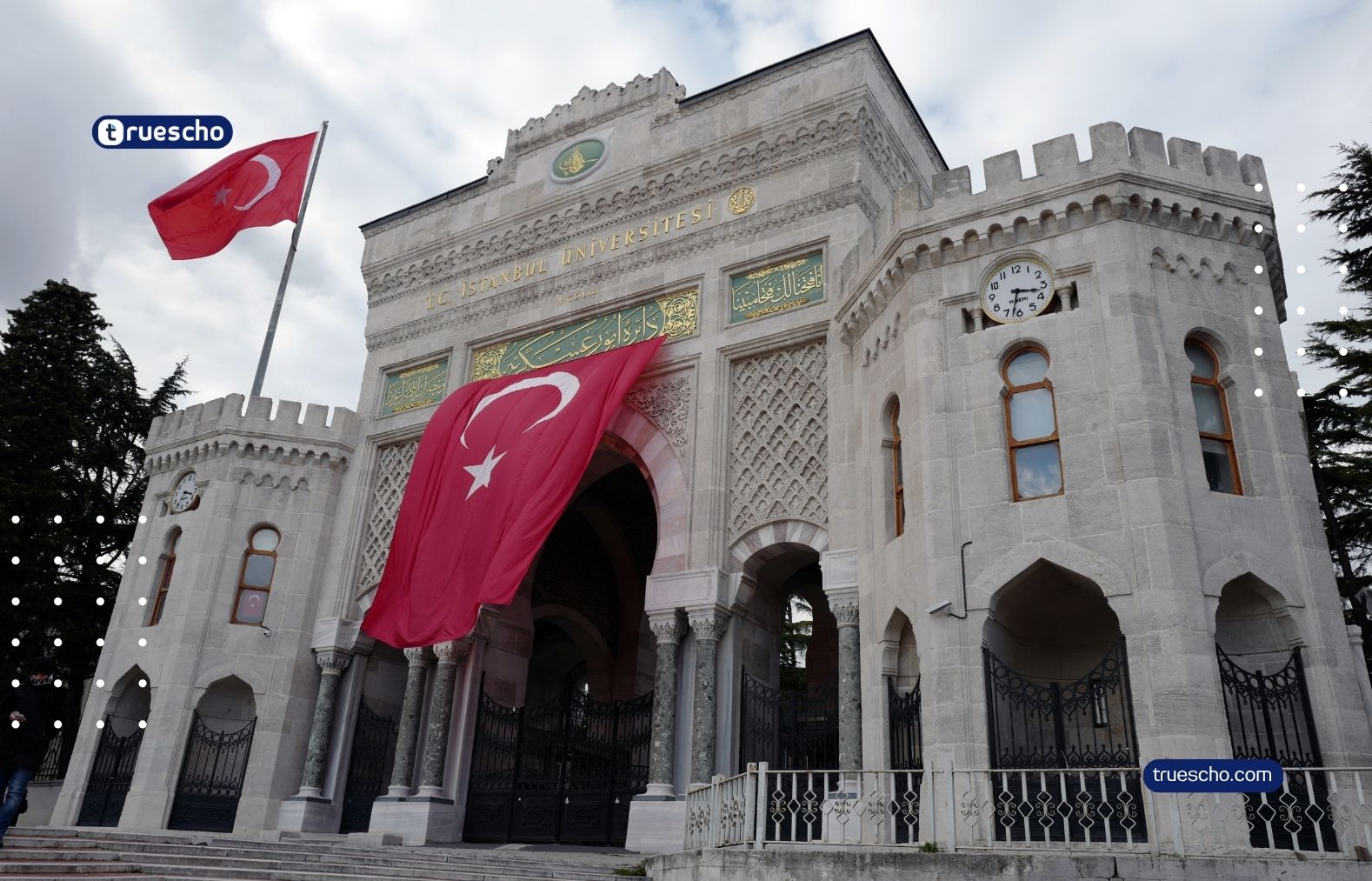
Studying at Turkish public and private universities: a complete comparison for Arab students covering tuition fees, admission requirements, language of instruction, scholarships, and the value of Turkish university degrees.
The question of studying at Turkish public and private universities is one of the most important issues for Arab students planning to study in Turkey. This decision is not only about the university name. It is also about tuition fees, admission chances, language of instruction, student life, academic reputation, and the practical value of the degree after graduation. Turkey has a broad and diverse higher education system. The Council of Higher Education officially states that the country has 208 universities and more than 6 million students, and it clearly classifies institutions into State Universities and Foundation Universities.
That is why Arab students should not ask only, “Should I choose a public or a private university?” A better question is: Which type of university fits my budget, academic profile, and long-term goals? Public universities in Turkey are often attractive because of their lower tuition fees, while foundation/private universities attract students through more flexible admission, wider English-medium options in some cases, and internal scholarships or discounts. The official Study in Türkiye platform confirms that tuition fees are applied differently in public and foundation universities, and that the differences also appear in programs, admissions, and student services.
What do public and private universities mean in Turkey?
In Turkey, the official term State Universities refers to public universities, while Foundation Universities refers to private non-profit foundation universities. This matters because many Arab students casually say “private universities,” while the Turkish higher education system officially categorizes them as foundation institutions under the same national system supervised by the Council of Higher Education. The official YÖK website lists both categories directly as part of the Turkish higher education structure.
This is important because it reassures students that both public and foundation universities are part of Turkey’s official higher education system. The Higher Education Board also states in its official FAQ that Turkey is part of the European Higher Education Area, and that diplomas obtained from Turkish universities are recognized in European Union countries within that framework. That does not remove all professional licensing steps in every country, but it does confirm the institutional standing of the Turkish system.
You can also explore the Student Accommodation in Turkey
Tuition fees: the biggest practical difference
The first major difference students notice is tuition cost. The official Study in Türkiye platform explains that tuition fees vary depending on the type of university, the program, and the level of study. Its life expenses page also confirms that fees in Turkish universities differ according to whether the institution is public or foundation-based, as well as according to field and language of instruction.
In practice, public universities are usually more affordable than private/foundation universities. This is one of the main reasons why many Arab and international students target them first. At the same time, private universities often display clearly higher fees, but some of them also provide internal scholarships, discounts, or even full scholarship options. For example, MEF University publicly lists tuition fees for international students, while Sabancı University states that it offers comprehensive scholarship support for international students, and the official study search tool shows full scholarship programs at foundation universities such as Sabancı and Koç.
So if a student’s budget is very limited, public universities are often the first option. But if the student is open to paying higher tuition in exchange for more flexibility, English-medium study, or internal scholarship opportunities, then a private/foundation university may still be an excellent choice.
Admissions for Arab students
Admission is another key difference. The official Study in Türkiye platform explains that the international student quotas for both public and foundation universities are published every year under Students Who will Fund their Studies. It also states that TR-YÖS is an international student admission exam and that public and foundation universities may require TR-YÖS scores in admissions. This means admission rules depend on the university and program, not on one universal rule.
In practical terms, many students see private universities as more flexible in admissions, especially when competition for public university seats is high. That flexibility does not mean there are no standards, but rather that some foundation universities may evaluate applications with more room for academic files, language qualifications, and scholarship decisions. Public universities, especially in major cities or popular disciplines, can be more competitive. Official university pages on Study in Türkiye also show that requirements differ from one institution to another.
This means that an Arab student with a strong academic record and a limited budget may prefer public universities, while a student looking for broader admission options or more English-medium opportunities may find private universities more accessible.
Language of instruction
Language is a very sensitive issue for Arab students. Turkey offers programs in Turkish, English, and sometimes other languages. The official Study in Türkiye platform confirms that students can continue their education at Turkish universities in Turkish, English, or other languages. Official university profiles also show that some institutions offer programs in multiple languages, including English and even Arabic in certain cases.
In practice, private/foundation universities often have a stronger presence of English-medium programs or a more internationally oriented academic environment in some fields. For example, Sabancı University states that its language of instruction is fully English, while public universities such as Istanbul, İnönü, and Karabük show a mix of Turkish, English, and in some cases Arabic-language options on their official profiles. This does not mean public universities lack English programs; it simply means students must check the exact university and program carefully.
If an Arab student wants to avoid a Turkish language preparatory year and prefers to study directly in English, some private universities may be a better fit. If the student is comfortable with Turkish study or with a language preparation year, then excellent public university options are also available.
You can also explore the Benefits of Studying and Living in Turkey
Academic quality and degree value
A common question is: Is a public university degree stronger than a private one? The accurate answer is that quality cannot be judged by university type alone. Turkey has a unified higher education structure supervised by the Council of Higher Education, and both public and foundation universities operate within this official system. From the perspective of general institutional recognition, the Turkish system is part of the European Higher Education Area.
In practice, what matters more is the reputation of the university itself, the faculty, the program, the language of study, partnerships, accreditation, and the city or academic environment. Turkey has highly respected public universities such as Istanbul University, Ankara University, and Ege University. At the same time, it also has internationally visible and competitive foundation universities such as Sabancı University and Koç University. All of these appear within the same official national framework.
So the common generalization is wrong. It is not true that every public university is automatically better than every private one, and it is not true that foundation universities are weak by definition. The more accurate statement is this: Turkey has excellent public universities and excellent private universities, and the real difference lies in the institution and the program, not the label alone.
Scholarships and funding
One important reason some Arab students consider private universities in Turkey is that these institutions do not always rely on full tuition payment from every student. The official Study in Türkiye platform shows that some private/foundation universities provide internal scholarships, discounts, or full scholarship options. Sabancı University explicitly states that it offers comprehensive scholarship support for international students, and the official study search tool lists full scholarship programs at foundation universities such as Sabancı and Koç.
On the other hand, there are also major government-funded scholarships such as Türkiye Scholarships, which the Council of Higher Education mentions in its official FAQ for international students. It identifies these scholarships as government-funded and notes that thousands of international students benefit from them.
This leads to an important conclusion: if a student does not secure a low-cost seat or scholarship at a public university, a private university with a strong internal scholarship offer may still become the better financial option. Students should always compare the final tuition after scholarships or discounts, not only the announced tuition before aid.
Student life and work opportunities
Turkey’s official international student information highlights several reasons why students choose the country: easy access to higher education, lower life and education costs compared to Europe, job opportunities during studies, and access to health insurance arrangements in some cases. The Higher Education Board also states that associate and undergraduate students may work up to 24 hours per week after completing their first academic year, subject to legal work permit conditions.
As for daily student life, the difference is often more about the individual university than about whether it is public or private. Some public universities have large campuses, lower costs, and strong facilities. Some private universities have modern student services, international partnerships, and more tailored support for international students. Arab students should therefore compare campus size, location, dorms, student activities, and international office support, not just the public/private label.
Which is better for Arab students?
If an Arab student is looking for lower tuition, has a strong academic record, and is ready for more competition or for Turkish-medium or mixed-language study, then public universities are often the better option. If the student wants more flexible admissions, stronger English-medium possibilities, or internal scholarships and a clearly international environment, then private/foundation universities can be an excellent choice.
The most important advice is this: do not decide based on university type alone. Compare the exact program, final tuition, language, scholarship availability, city, internship opportunities, and professional recognition requirements if your field is regulated, such as medicine, engineering, or law. That is the comparison that actually matters.
You can also explore the Student Life in Turkey
Conclusion
Studying at Turkish public and private universities gives Arab students a wide range of choices, but each path has its own logic. Public universities are often stronger in affordability and traditional academic reputation in many long-established institutions. Private/foundation universities can be stronger in admission flexibility, English-medium opportunities, internal scholarships, and modern student services in some cases. Both types are part of Turkey’s official higher education system under the supervision of the Council of Higher Education.
That is why the best decision is not to blindly prefer public over private or the other way around. The best decision is to compare the university, the program, the city, the final cost, and your real admission chances. That is the comparison that helps students choose wisely and avoid costly mistakes.
Scholarships Expert
Writer at Truescho Blog — We provide trusted content about scholarships, study abroad, and immigration.
Related Articles

How to Start Your Student Life in Turkey: A Practical Guide from Arrival to Stability
How to start your student life in Turkey: a practical guide from arrival to stability covering accommodation, university registration, student residence permit, health insurance, transportation, and key tips for international students.

Best Student Cities in Turkey for Study and Cost of Living
Best student cities in Turkey for study and cost of living: discover the top Turkish cities for international students, including Istanbul, Ankara, Izmir, and Eskişehir, with a clear comparison of academic quality and living expenses.