
Studying in Iceland (A Complete Guide for International Students 2026)
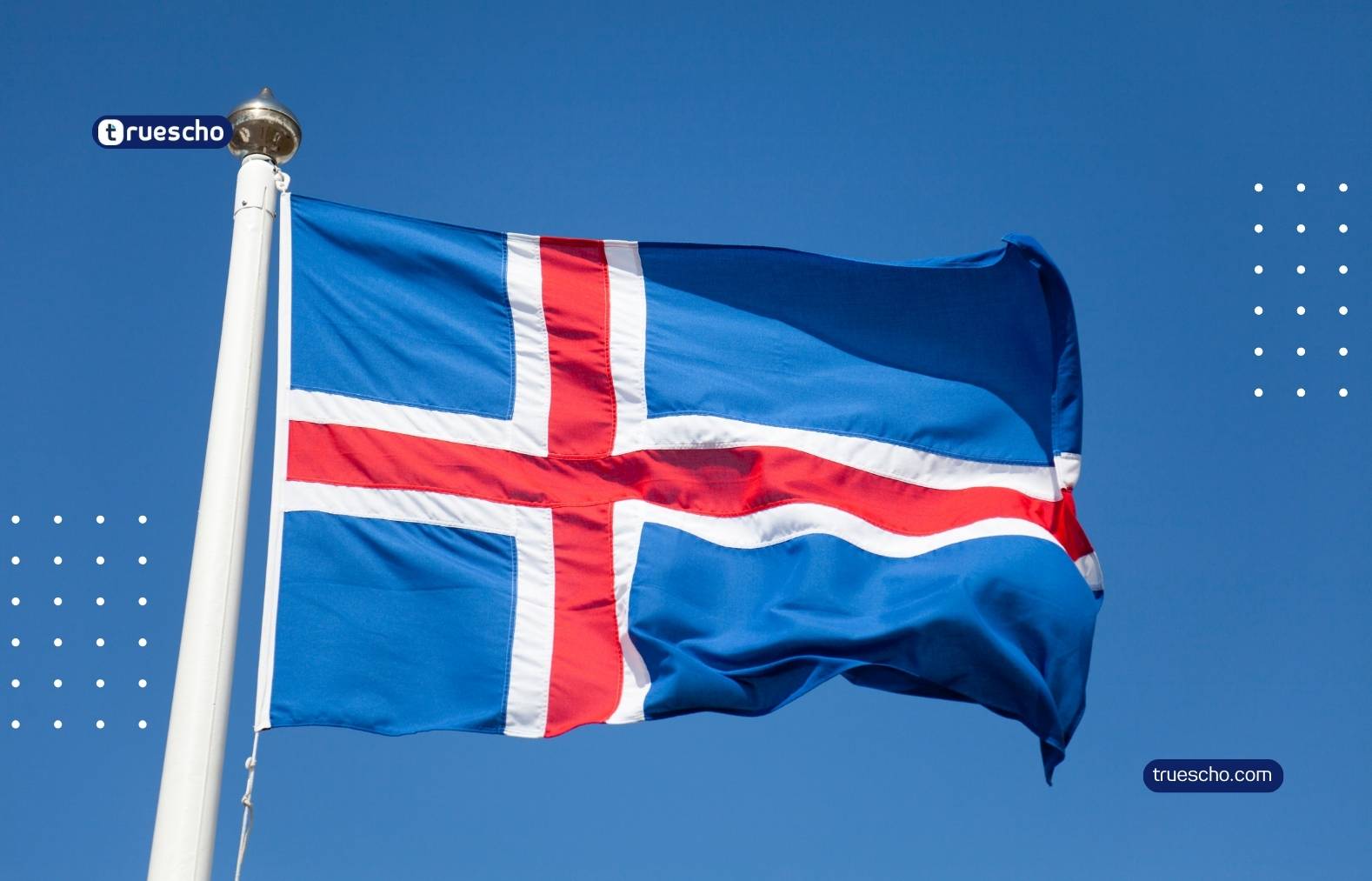
A complete guide to studying in Iceland for international students: universities and programs, language options, admissions, fees and living costs, housing, student residence permit basics, scholarships, and practical planning tips.
Iceland is one of the most distinctive study destinations in Northern Europe—not only because of its dramatic nature and high quality of life, but also because it offers a modern academic environment in a small, well-organized, and generally safe society. Iceland’s higher education system is built around a compact network of seven universities, which helps concentrate resources and research strengths in key areas such as environmental science, renewable energy, geology and earth sciences, marine studies, engineering, computer science, health, and social sciences.
Why Study in Iceland?
Iceland tends to fit students who want strong academic value and a unique life experience. Common reasons include:
- Research-oriented strengths in specific fields (energy, environment, earth sciences, marine research, technology).
- A small but structured university system where quality and research collaboration matter.
- A well-organized society with strong public services—important for student stability.
- Many English-taught options, especially at the graduate level, while Icelandic remains valuable for everyday integration.
- A fee structure that may be lighter on “traditional tuition” in some public settings, but includes registration fees—and Iceland is known for higher living costs compared to many other European destinations.
Higher Education in Iceland: Quick System Overview
The official “Study in Iceland” portal notes that Iceland has seven universities, and that higher education institutions are mostly state-run or privately operated with state support. The main degree levels are:
- Bachelor’s (often 3–4 years depending on the field)
- Master’s (commonly 1–2 years)
- PhD/Doctoral programs (available in selected universities and fields)
Government information pages also reference the legal framework governing higher education.
You can also explore the Study in New Zealand
Best Student City: Reykjavík (and what to expect elsewhere)
Reykjavík is the central academic and services hub, offering the widest range of student life options: libraries, events, and social networks. It also tends to be the most expensive place to live. Smaller towns may offer a calmer lifestyle and sometimes lower costs, but university choice and part-time opportunities can be more limited.
A practical approach: choose your program first, then optimize costs through housing strategy (shared flat), location (not overly central or touristy), and lifestyle (home cooking).
Universities and How to Choose the Right Program
You don’t need to memorize a long list of institutions; you need a decision framework. A clear example is the University of Iceland, which publishes detailed pages for admissions requirements, application steps, and fees.
Use this 6-point checklist when picking a program:
- Language of instruction (English/Icelandic or mixed).
- Program type (research vs. professional).
- Curriculum quality (updated modules + real projects/labs).
- Recognition/accreditation (especially for regulated professions).
- Total cost (registration + processing fees + living costs).
- Immigration timing (can you secure your permit before classes begin?).
Language of Instruction: Do You Need Icelandic?
Many graduate programs are offered in English, while many undergraduate tracks may require Icelandic or include Icelandic-based components depending on the institution and department. Even if you study in English, basic Icelandic can be extremely useful for:
- housing communication and contracts
- daily services
- social integration
- local networking and some internships
You can also explore the Study in Slovakia
Typical Admission Requirements (International Students)
Requirements vary, but the University of Iceland’s admissions page provides a good reference point: it states that the minimum requirement for undergraduate admission is an Icelandic matriculation examination or an equivalent level of qualification.
Bachelor’s level (commonly)
- High school diploma + transcripts
- Valid passport
- Language proof depending on the program
- Additional documents (department-specific)
Master’s level (commonly)
- Bachelor’s degree + transcripts
- CV/Resume
- Statement of Purpose / Motivation letter
- Recommendations (program-dependent)
- English language proof for English-taught tracks
Strong advice: make your SOP specific: why this program, what skills you bring, what you plan to research/build, and what outcomes you aim for.
Step-by-Step Application Roadmap
To avoid confusion, follow this sequence:
- Choose your field and shortlist 3–5 programs.
- Read the university’s official “How to apply / Preparing your application” pages; University of Iceland explains that applications are submitted through its Application Portal and provides step-by-step guidance.
- Prepare clean PDFs (passport, transcripts, language results, CV, SOP, etc.).
- Submit and pay any required processing fees (if applicable).
- Monitor email and complete any missing items.
- After acceptance: start residence permit steps + housing + insurance immediately.
Fees and Real-World Costs (Budgeting Iceland the Smart Way)
1) University fees
At the University of Iceland, the official fees page notes that students do not pay traditional tuition fees, but they do pay an annual registration fee, with listed examples such as 100,000 ISK for a full academic year and 75,000 ISK for spring only, and it also mentions a processing fee for citizens outside the EEA/EFTA (example: 20,000 ISK).
2) Living costs
Iceland is generally considered expensive for:
- rent
- dining out
- certain everyday services
Core monthly budget categories:
- housing (largest cost)
- food (home cooking reduces spending)
- transport
- phone/internet
- health insurance and medical costs
- one-time arrival needs (winter clothes, deposits, basic items)
Cost control strategy: shared housing + non-touristy spending habits + planned weekly groceries.
You can also explore the Study in Brunei Darussalam
Housing Options (and safety rules before paying)
Common student housing routes:
- University housing/dorms (if available): easier and often cheaper, but limited.
- Shared apartment/flat: widely used and cost-effective.
- Private studio/apartment: more privacy, higher cost.
Safety rules:
- Don’t send money to unknown individuals.
- Request a live video tour or a clear written contract.
- Confirm heating, utilities, internet, deposit terms, and cancellation rules.
Student Residence Permit: Official Timing Matters
For immigration, rely on official sources. Iceland’s government portal (Ísland.is) provides the Residence permit for students page with process and requirements. The “Study in Iceland” portal highlights important document-arrival deadlines at the Directorate of Immigration:
- Fall semester: application and all supporting documents should be received no later than July 1 to enable issuing the permit before classes start.
- Spring semester: documents should be received no later than November 1.
This is a major planning point: late submission can mean you won’t have your permit in time.
Scholarships and Funding (what exists, and how to search)
Scholarships in Iceland are often field-specific. The “Study in Iceland” scholarship page mentions an annual Icelandic government scholarship program connected to Icelandic language/literature/history studies (handled through relevant institutions).
Smart search strategy:
- Start with the university’s scholarship/financial support pages.
- Track government scholarship announcements—especially language and Icelandic studies programs.
- Be realistic: partial funding + strong budgeting can still make Iceland viable.
Working While Studying: Stay Realistic and Legal
Work rights can vary by nationality and immigration status, so don’t build your budget assuming immediate legal work. The safest plan is: secure primary funding first, then explore permitted internships or part-time work based on your residence status and official guidance.
You can also explore the Study in Singapore
Student Life and Climate (what will affect you day-to-day)
Iceland’s climate and seasonal daylight patterns can influence your routine:
- short winter daylight hours may affect energy and mood
- good winter clothing and a warm home setup are essential
- staying active socially and physically helps with adaptation
Quick integration checklist (first month): local SIM, weekly food budget, a student club/community, and learning practical Icelandic phrases.
Common Mistakes to Avoid
- Choosing a program without confirming instruction language and language requirements
- Delaying residence permit steps—especially around July/November deadlines
- Paying for housing without verification
- Using random “average costs” instead of official university fees and your own budget plan
- Submitting weak, generic application materials
A Simple 30-Day Action Plan
Week 1: pick your field + shortlist programs + confirm language + draft a budget Week 2: prepare translations + language tests + CV + SOP Week 3: apply + track emails + complete missing items Week 4: after acceptance, start permit steps immediately + housing + insurance + travel planning
You can also explore the Studying in Lithuania for Arab Students
Conclusion
Studying in Iceland is ideal for students who want a high-value academic experience in a structured Northern European society—especially in environmental science, energy, earth sciences, engineering, and technology. The key to success is practical planning: choose a truly strong program, budget realistically for living costs, and respect official permit deadlines. If you treat it as an organized project, Iceland can become a powerful academic and career step.