
Study in Russia 2026: A Complete Guide for International Students
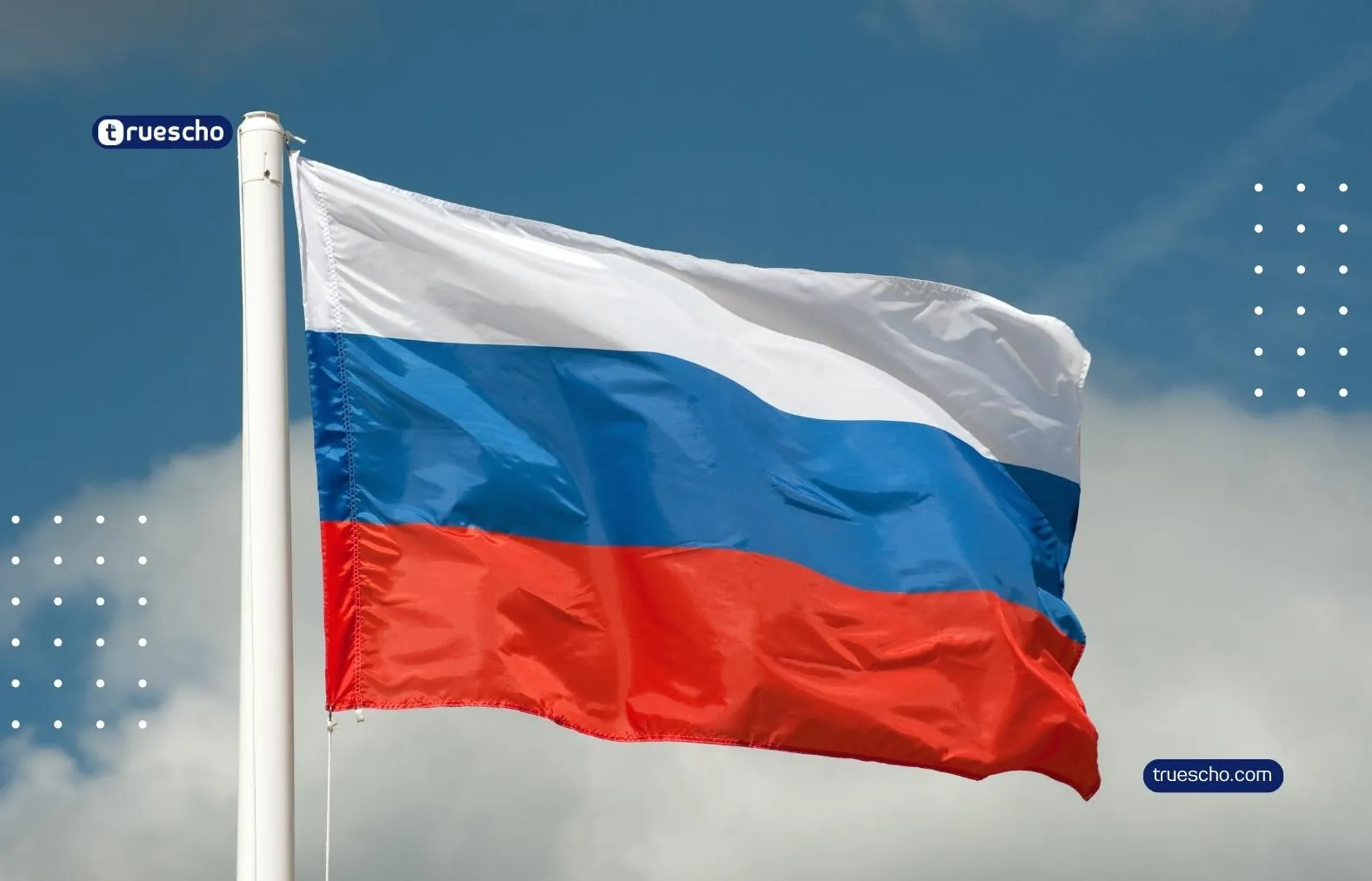
Planning to study in Russia? This complete guide explains the Russian higher education system, popular study fields, tuition fees, living costs, Russian Government Scholarships, and how to apply for universities and a student visa.
Russia remains a major destination for international students, particularly in medicine, engineering, physics, and other STEM fields. Russian universities are known for:
- Comparatively low tuition fees
- Strong scientific traditions
- A large number of state-funded scholarships for foreign citizens
- Preparatory programmes (foundation year) to learn Russian
International applicants can rely on official portals such as Education in Russia (application and quota system) and Study in Russia (information and university guide) to plan and submit their applications.
This guide covers:
- Advantages of studying in Russia
- The higher education system and types of universities
- Popular fields of study
- Tuition fees and living costs
- Russian Government Scholarships (quota) and other schemes
- How to apply through education-in-russia.com and directly to universities
- Student visa and residence rules
- Work options during and after your studies
- Practical tips for international students
Important: Because of ongoing geopolitical developments and sanctions affecting Russia, you must always check the latest travel and safety advice issued by your own country before making a final decision.
Key Advantages of Studying in Russia
1) Lower Tuition Fees
Tuition fees at many Russian public universities are significantly lower than in Western Europe or North America, especially in medical and engineering programmes. Official university websites and the Study in Russia portal provide up-to-date fee information for each programme.
2) Russian Government Scholarship (Quota)
Each year, the Russian Federation allocates thousands of state scholarships (quotas) for foreign citizens. These scholarships typically include:
- Free tuition at a Russian public university
- A small monthly stipend
- A place in a dormitory (in most cases)
- Free preparatory Russian-language year if needed
Applications are submitted through the official portal education-in-russia.com or via Rossotrudnichestvo offices and Russian embassies.
3) Strong Reputation in Science and Technology
Russia has a long tradition in mathematics, physics, aerospace, nuclear engineering, and other STEM disciplines. Flagship universities in Moscow and Saint Petersburg appear in international rankings in several subject areas.
4) Unique Cultural and Personal Experience
Living in Russia exposes students to a different language, climate, and culture: from Soviet-era architecture and museums to modern campuses and scientific centres—this can be both challenging and rewarding.
5) English-Taught Programmes + Russian Foundation Year
While Russian is the main language of instruction, there is a growing number of full programmes taught in English, especially in medicine, engineering, and business. Many students also complete a one-year preparatory course (foundation) in Russian language and basic subjects before starting their degree.
You can also explore the Study in South Korea
The Higher Education System in Russia
Higher education is regulated by the Ministry of Science and Higher Education of the Russian Federation, which sets policy and legal frameworks for universities and research institutions.
Types of Institutions
- Federal Universities and National Research Universities
- Large institutions with strong research capacity
- Attract many international students
- Regional Public Universities
- Located across the country
- Often offer lower tuition and living costs than Moscow or Saint Petersburg
- Specialised Academies and Institutes
- Focused on specific areas such as medicine, aviation, nuclear energy, or engineering
Degrees and Study Structure
Russia has largely aligned with the Bologna system:
- Bachelor’s degree – usually 4 years
- Master’s degree – usually 2 years
- Specialist degree – 5–6 years (common in medicine and some engineering fields)
- Postgraduate/Doctoral studies (Aspirantura / PhD) – research-oriented programmes after a master’s or specialist degree
Many international students start with a pre-university preparatory programme to study Russian and foundational subjects.
Popular Fields of Study for International Students
Common choices for foreign students include:
- General medicine, dentistry, pharmacy
- Civil, mechanical, electrical, and oil & gas engineering
- Computer science, AI, cybersecurity
- Aerospace and nuclear engineering, applied physics
- Business administration, economics, and international relations
These programmes can be searched by discipline, city, and language on the Study in Russia portal.
Admission Requirements and Language
Academic Requirements
- Bachelor’s level: Secondary school certificate equivalent to Russian upper-secondary education. Some universities require entrance exams in subjects like mathematics, physics, or chemistry.
- Master’s level: A relevant bachelor’s degree, satisfactory GPA, and sometimes a CV, motivation letter, and references.
- Doctoral level: A master’s or specialist degree and a research proposal; contacting potential supervisors in advance is often recommended.
Language Requirements
- Russian-taught programmes: Require sufficient Russian proficiency, often gained through a one-year preparatory course and/or a language test.
- English-taught programmes: Require proof of English proficiency (e.g. IELTS/TOEFL) at levels specified by the university.
You can also explore the Study in Italy
Tuition Fees (Approximate Ranges)
Fees vary widely by university, city, and subject, but many public universities charge:
- Bachelor/Specialist: Roughly USD 2,000–5,000 per year for international students in many programmes (higher for certain medical or engineering fields).
- Master: Similar or slightly higher, depending on the programme.
When you hold a Russian Government Scholarship (quota), tuition is fully covered by the state; you then only cover your living expenses and some administrative fees.
Cost of Living
Living costs in Russia are generally lower than in many Western European countries, but they vary by region:
- Student dormitories: Usually the most affordable option; monthly costs are relatively low and sometimes partially covered for scholarship holders.
- Food and daily expenses: Cheaper in regional cities than in Moscow or Saint Petersburg.
- Overall estimate: Many sources suggest that a student can live modestly on the equivalent of roughly USD 300–600 per month (excluding tuition), depending on city and lifestyle.
Scholarships and Funding
1) Russian Government Scholarship (Quota)
Each year about 15,000 state scholarships are reserved for foreign citizens. The scholarship typically includes:
- Full tuition fee coverage at a public university
- Monthly maintenance allowance
- Free preparatory Russian-language course if needed
- A dormitory place (in most cases)
Application steps usually include:
- Register on education-in-russia.com
- Create a new application, select your education level, field, and up to six universities
- Upload required documents (passport, academic certificates, etc.)
Selection is organised through Russian embassies and Rossotrudnichestvo offices in your country.
2) Open Doors: Russian Scholarship Project
Open Doors is an international academic competition that offers full-tuition scholarships for master’s and PhD studies in Russia to winners and runners-up in specific subject areas, organised by the Global Universities Association with support from the government.
3) University-Level Scholarships
Many universities provide additional support:
- Partial tuition waivers for excellent students
- Extra financial aid or dormitory benefits
- Special scholarships for specific countries or programmes
How to Apply: Step-by-Step
Step 1: Choose Your Programme and City
- Decide on your field of study and language of instruction (Russian or English).
- Compare major cities like Moscow and Saint Petersburg with regional cities in terms of cost and lifestyle.
- Use Study in Russia and other official tools to shortlist universities.
Step 2: Decide on Funding Path
You can:
- Apply for the Russian Government Scholarship (quota) via education-in-russia.com; or
- Apply for fee-paying studies directly to universities (often using university portals or through the Study in Russia platform).
Step 3: Register and Submit Your Application
For the quota:
- Create an account on education-in-russia.com
- Fill in personal and educational details
- Select your desired level, field, and up to six universities
- Upload scanned documents and submit by the national deadline
For direct (paid) admission, follow instructions on each university’s website or partner admission platform.
Step 4: Receive an Offer and Invitation
If you are selected:
- You will receive an admission decision from the university or through the quota system
- An official invitation letter for study will be issued, which you use to apply for a student visa at the Russian consulate in your country
You can also explore the Study in Malaysia
Student Visa and Residence
Student entry and residence are regulated by Russian migration law; requirements can change, so always consult:
- Your local Russian embassy or consulate
- The Education in Russia and Study in Russia portals
- Your chosen university’s international office
Typically you will:
- Apply for a student visa at the consulate with your invitation letter, passport, photos, application form, insurance, and proof of funding (if required).
- Extend your visa and obtain a temporary residence permit for study after arriving in Russia, with the help of your university’s international office.
Working During and After Studies
- International students may work part-time under certain conditions. In some cases, a work permit is required, and regulations may change, so always check with your university and local migration office before starting a job.
- Internships that are part of your academic programme are usually easier to arrange through the university.
- After graduation, some students manage to switch to a work-related residence permit if they sign a contract with a Russian employer, subject to current migration rules.
You can also explore the Study in China
Practical Tips for International (Especially Arab) Students
- Invest in Russian language skills Even if your programme is in English, knowing Russian will make everyday life far easier and expand your job opportunities.
- Confirm recognition in your home country Before finalising your choice, check with your own Ministry of Education or relevant authorities to ensure the degree and university are recognised.
- Monitor safety and travel advisories Political and visa situations can change quickly; follow official advice from your country’s foreign ministry.
- Prepare for the climate Russian winters can be extremely cold; proper clothing and mindset are essential.
- Plan your budget realistically Even with a full tuition scholarship, you still need enough funds for living expenses, visa fees, flights, and unexpected costs.
Official Sources and Links
Scholarships Expert
Writer at Truescho Blog — We provide trusted content about scholarships, study abroad, and immigration.