
Studying in Panama (A Complete Guide for International Students)
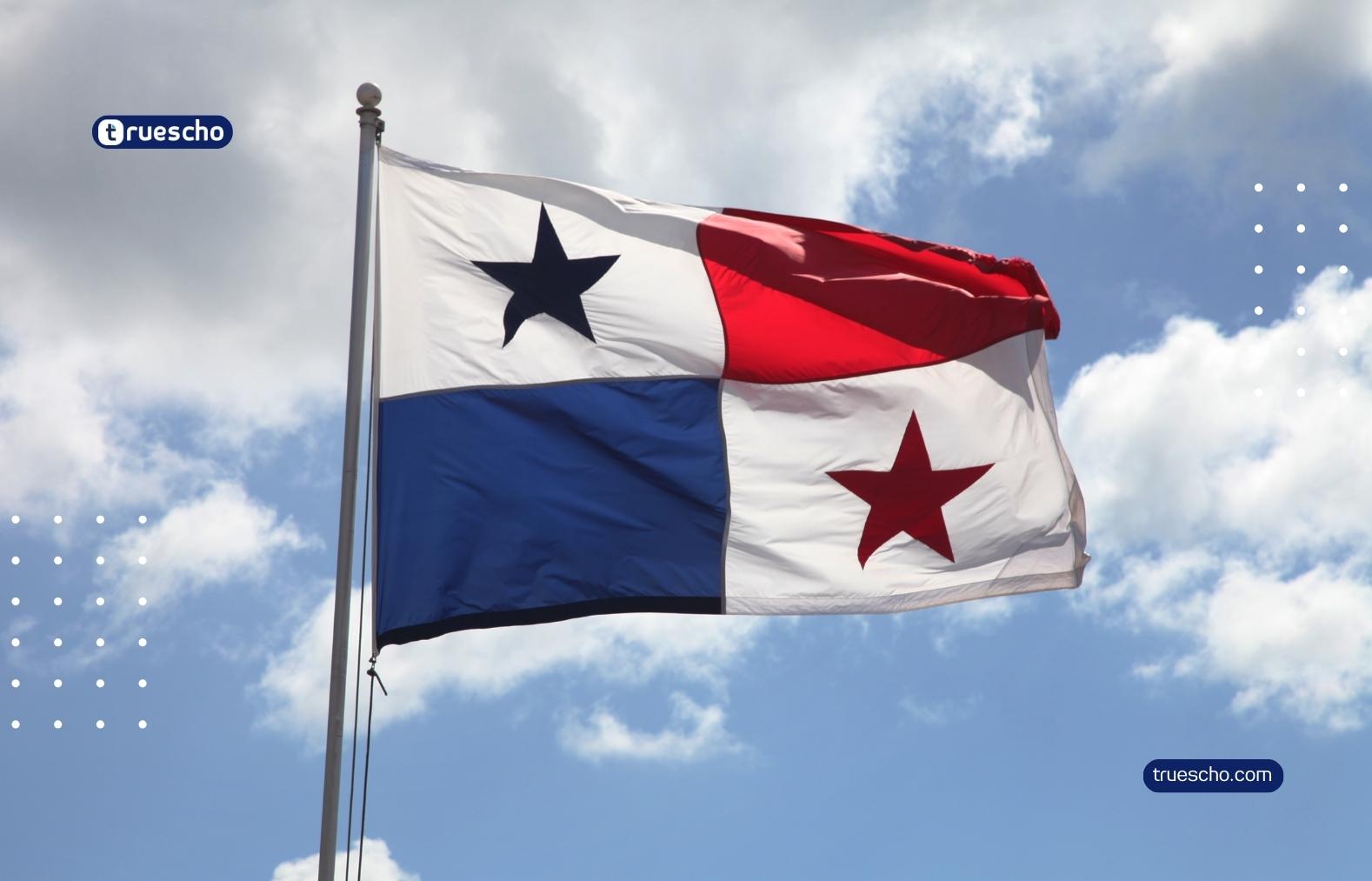
A complete guide to studying in Panama for international students: universities, admissions, language requirements, tuition, living costs, housing, student visa basics, and practical planning tips.
Panama has become an increasingly interesting study destination for international students who want an affordable-to-mid-range option in Latin America while still enjoying a relatively international environment—especially in Panama City. Thanks to its strategic position as a global logistics hub, Panama offers strong academic and career-related value in fields like business, international trade, supply chain and logistics, engineering, IT, tourism, and certain health-related programs. This guide gives you a realistic, detailed overview of studying in Panama: the higher education system, university options, language considerations, admissions and documents, tuition and living costs, housing, student immigration pathways, and practical tips to plan your move with fewer surprises.
Why Study in Panama?
Panama is not the first country people think of when they hear “study abroad,” which is exactly why it can be a smart choice for the right student. Key advantages include:
- Strategic global location: Panama’s economy is strongly connected to trade, ports, shipping, and logistics—great for business and operations-related majors.
- A mix of public and private universities: Students can choose between large public institutions and flexible private programs.
- International exposure: Panama City hosts multinational companies and a diverse population, which can help with networking and internships.
- Manageable living costs (depending on lifestyle): Not the cheapest in Latin America, but often more affordable than many Western destinations.
- Spanish language growth: Living and studying in a Spanish-speaking environment can rapidly improve your language skills and employability.
You can also explore the Study in New Zealand
Understanding Higher Education in Panama
Panama’s higher education typically includes:
- Undergraduate degrees (Licenciatura / Bachelor-equivalent): often around 4 years (varies by major).
- Graduate studies (Postgrado / Maestría): postgraduate diplomas and master’s programs, commonly 1–2 years.
- Doctoral programs (Doctorado): available in some institutions and fields.
Important note: Latin American degree naming can differ from what you’re used to. Always review program details: credits, duration, graduation requirements, and whether it’s research-based or professionally oriented.
Best Student Cities
- Panama City: the main academic, economic, and internship center; higher cost of living, but more opportunities.
- Other cities (e.g., David, Santiago, etc.): often calmer and cheaper, but with fewer internship and networking options.
Choose based on your priorities: lower cost vs. stronger professional ecosystem.
Universities and Study Options
Panama offers strong public institutions and many private universities. Notable options include:
1) Large Public University
- University of Panama (Universidad de Panamá): one of the biggest and most established public universities, with many faculties and regional centers—good for broad academic choices.
2) Technology and Engineering Focus
- Technological University of Panama (Universidad Tecnológica de Panamá): a key option for engineering, technology, and applied sciences, known for its technical orientation.
3) Private Universities
Private institutions often provide flexible schedules and professionally oriented programs, but usually with higher tuition. Your best approach: evaluate the specific program quality, not just the institution name.
Practical tip: Go beyond “the university is good.” Check the curriculum, internship components, language of instruction, accreditation, and graduate outcomes.
You can also explore the Study in Slovakia
Language of Instruction: Do You Need Spanish?
Spanish is the dominant language in Panama, and most undergraduate programs are taught in Spanish. However, you may find:
- select courses or tracks in English, depending on the institution and major
- certain graduate or professional programs that include English components
Common situations for international students:
- You already speak Spanish: you’ll have the widest program access.
- Intermediate Spanish: you can improve through pre-sessional courses and immersion.
- No Spanish: you may struggle if the program is Spanish-taught—consider language preparation before enrollment, or carefully search for English-taught options (if available).
Even if your program is in English, basic Spanish is extremely helpful for daily life: renting housing, transportation, paperwork, and social integration.
General Admission Requirements (What You’ll Usually Need)
Requirements vary by university and program, but typically include:
Undergraduate (Bachelor level)
- High school diploma (or equivalent)
- Transcripts (often translated, depending on requirements)
- Valid passport
- Photos and application forms
- Proof of language ability (Spanish or English), depending on the program
Master’s level
- Bachelor’s degree + transcripts
- CV/Resume
- Motivation letter / Statement of Purpose
- Recommendation letters (sometimes)
- Proof of language ability, depending on instruction language
- Work experience may be required for certain professional programs
Document legalization: Some institutions or authorities may require notarization, legalization, or official translations. Confirm early to avoid delays.
You can also explore the Study in Brunei Darussalam
A Clear Application Roadmap (Step-by-Step)
Use this structure to stay organized:
- Pick your major first (country comes second).
- Shortlist 3–5 universities that match your budget and language level.
- Read the program page carefully: duration, modules, tuition, deadlines.
- Prepare documents: translations, CV, SOP, references.
- Submit online (or follow the university’s process).
- Pay any application fees if required.
- Receive an acceptance letter (or conditional acceptance).
- Start immigration steps + housing + insurance + travel plan.
Pro tip: Keep a clean PDF folder system and name files clearly (Passport.pdf, Transcript.pdf, SOP.pdf). Organization prevents mistakes.
Tuition and Living Costs: What to Expect
Costs depend heavily on institution type and lifestyle.
1) Tuition
- Public universities are often more affordable.
- Private universities and professional programs are commonly more expensive.
- Health-related majors (medicine, dentistry, etc.) typically cost more than humanities.
Avoid relying on general averages. Always check each program’s official tuition/fee page.
2) Living Costs
Key categories:
- rent (shared room vs. private studio)
- transportation
- food (home cooking vs. restaurants)
- phone + internet
- health insurance and medical expenses
To control spending: share housing, avoid tourist-heavy areas, cook at home most days, and shop locally.
You can also explore the Study in Singapore
Housing Options for Students
Typical options include:
- University housing (if available)
- Shared apartment (very common and often cost-effective)
- Homestay (great for language immersion)
- Private studio/apartment (more privacy, higher cost)
Before paying: verify the place, request a live video tour, and clarify utilities, contract length, deposit, and neighborhood safety.
Student Visa / Legal Stay
Immigration requirements can change, so rely on official sources. Generally, student status is tied to:
- an acceptance letter from an authorized educational institution
- proof of financial means
- a valid passport
- forms, photos, and additional documents depending on your case
Most important rule: Always confirm the latest student visa requirements through Panama’s official immigration authority website.
Can International Students Work While Studying?
Work rules depend on your immigration status and local regulations. In many countries, student work is limited or requires additional authorization. Don’t build your budget assuming immediate legal work. A smarter approach:
- secure primary funding (savings/family/scholarship)
- then explore internships or permitted work options legally.
Scholarships and Funding: How to Search Effectively
Funding may come from:
- university scholarships or tuition discounts
- national science/innovation bodies
- external foundations and programs
A smart approach:
- Start with the university’s “Scholarships / Becas” section.
- Check national-level research and education institutions for announcements.
- Track deadlines carefully—funding windows can be short.
Realistic note: full scholarships may not be common everywhere. A partial scholarship combined with strong budgeting can still be a great deal.
You can also explore the Studying in Lithuania for Arab Students
Student Life in Panama (Real Daily Experience)
- Climate: tropical—heat, humidity, and seasonal heavy rain. Prepare accordingly.
- Safety: varies by neighborhood. Research areas before renting.
- Culture: friendly, social, and community-oriented in many settings.
- Transportation: generally easier in Panama City than in smaller towns.
Quick integration tips: join at least one student club, build an international friend circle, and practice Spanish daily—even 20 minutes helps.
Strong Majors That Fit Panama’s Economy
Given Panama’s role in global trade and services, these fields often align well:
- Business Administration & International Trade
- Supply Chain, Logistics & Operations
- Engineering (civil, electrical, mechanical, systems)
- Computer Science / IT
- Tourism & Hospitality
- Certain Health Sciences (program-specific)
But the golden rule stands: evaluate the program strength more than the country reputation alone.
Common Mistakes That Hurt Students
- Applying to only one university with no backups
- Ignoring Spanish, then struggling after arrival
- Using non-official sources for visa rules
- Renting housing without understanding neighborhoods/transport
- Submitting a weak application package (generic SOP, messy CV)
You can also explore the Studying in Georgia for Arab Students
A Simple 30-Day Action Plan
Week 1: choose major + shortlist universities + confirm instruction language Week 2: prepare translations + CV + SOP + references Week 3: submit applications + track emails + pay fees (if any) Week 4: plan visa documents + housing search + monthly budget + daily Spanish routine
If you follow this plan, you’ll reduce uncertainty and move faster.
Conclusion
Studying in Panama can be a smart, strategic choice for students seeking a Latin American experience with a global-business environment—especially in logistics, trade, engineering, and tech. Your success depends on practical planning: selecting a strong program, preparing documents professionally, budgeting realistically, and confirming immigration requirements through official sources. Done right, Panama can give you academic progress, Spanish language growth, and meaningful international exposure.