
About this Course
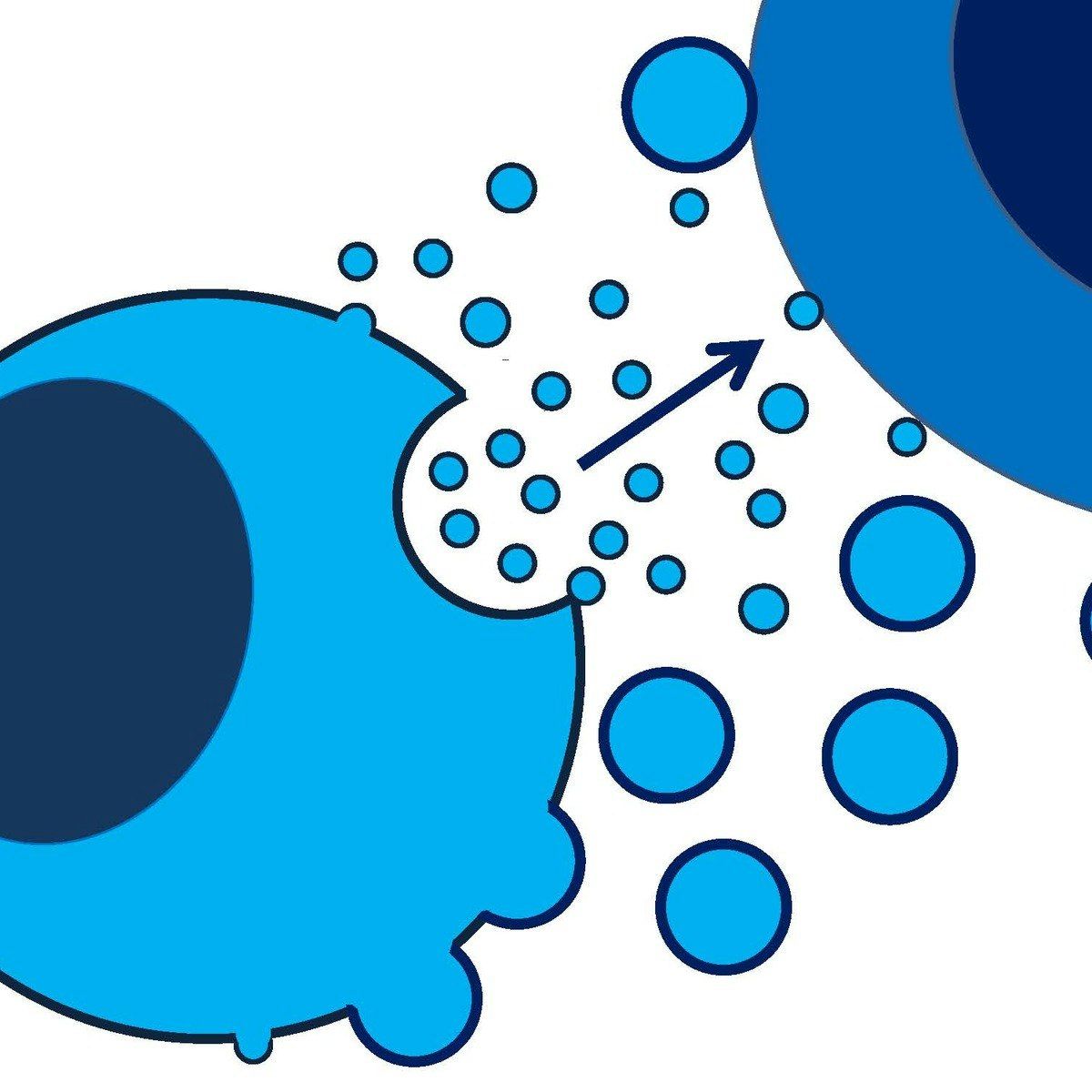
This course aims to provide the basic knowledge about extracellular vesicles (EV) a generic term including exosomes, microvesicles, microparticles, ectosomes, oncosomes, prostasomes, and many others. It covers areas such as EV history, nomenclature, biogenesis, EV cargo as well as the release and uptake mechanisms, collection and processing prior to isolation, different isolation methods, characterization and quantification techniques. This course is divided into five modules. Module 1 is an introduction to the field and will cover the nomenclature and the history of EVs. Module 2 will focus on the biogenesis, release and uptake mechanisms of EVs as well as the different EV cargos (RNA, protein, lipids). In Module 3, we will focus on the collection and processing of cell culture media and body fluids such as blood, breast milk, cerebrospinal fluid and urine prior to isolation of EVs. Module 4 and 5 will present different isolation methods and characterization/quantification techniques, respectively. Here differential ultracentrifugation, size exclusion chromatography, density gradient, kit based precipitation, electron microscopy (EM), cryo-TEM, flow cytometry, atomic-force microscopy and nanoparticle tracking analysis will be presented. The recommended prerequisites are college-freshman-level biology and biochemistry. After a completed course you should be able to: + Discuss the nomenclature and subgroups of extracellular vesicles. + Describe the RNA, protein and lipid content of extracellular vesicles. + Describe the basic concepts about the most common isolation and characterization techniques and how these techniques are used in the EV field. + State the benefits and limitations of the most common isolation and characterization techniques for extracellular vesicles. + Explain the considerations that are important during the collection and isolation of EVs from different body fluid. + Describe the release and uptake mechanisms of extracellular vesicles All lectures are given in English. Each of the five modules will be followed by an exam. All exams will be in the format of multiple choice questions. The course is organized in collaboration between the International Society for Extracellular Vesicles (ISEV), University of California Irvine (USA), University of Gothenburg (Sweden) and Pohang University of Science and Technology (South Korea)
What You'll Learn
- Understand classifications of extracellular vesicles
- Describe biogenesis, release, and uptake mechanisms
- Apply collection and processing methods for biological samples
- Master isolation, characterization, and quantification techniques
- Utilize knowledge in laboratory research applications
Prerequisites
- Basic familiarity with biological terminology and techniques
- Readiness to engage in applied exercises
Instructors
Cecilia Lasser
Researcher