
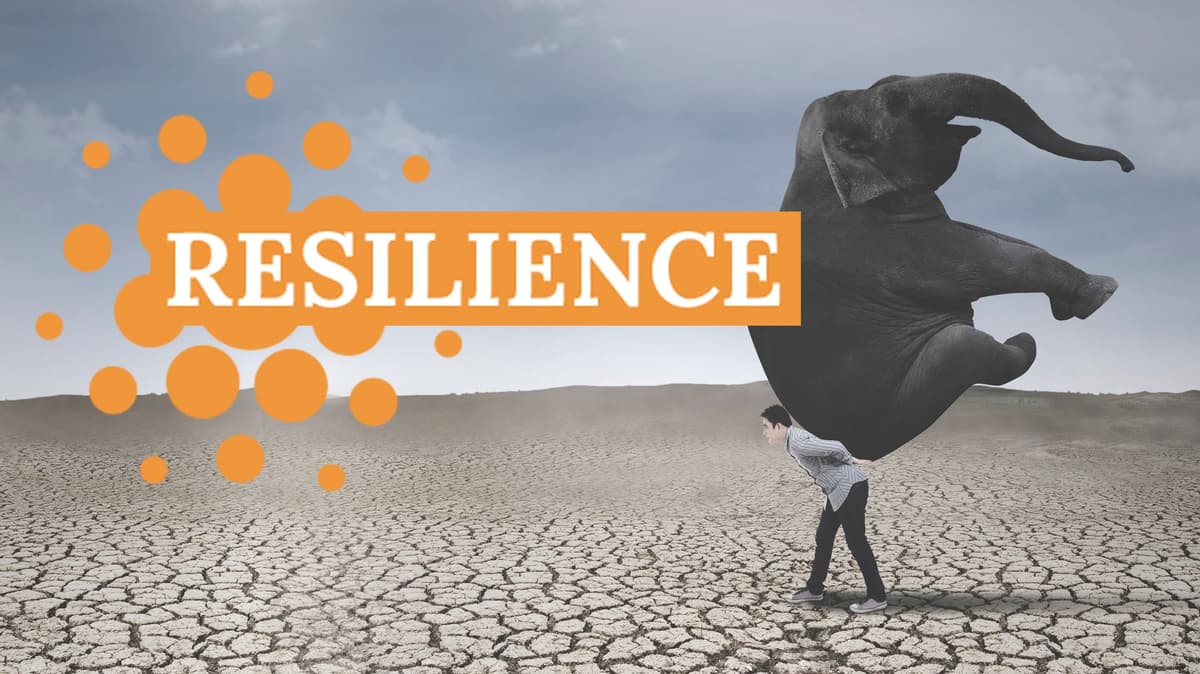
Resilience - The art of coping with disasters
IsraelX
Resilience is an essential element in successful disaster management and coping. This course touches upon the internal and external resources and tools necessary for handling stressful situations and for emerging with increased strength from such experiences.
About this Course
What is Resilience? Resilience is often perceived as an abstract term that varies in meaning for people from different fields and backgrounds. Nevertheless, it has been a “buzzword” in the discussion around crises and disasters in recent decades. In this course, we willintroduce structure into this confusion andprovide clearer definitions for the intangible multidisciplinary and sometimes ambiguous term resilience. Subsequently, this understanding will serve to improve the learners’ ability to manage crisis situations, as well as to help them plan and focus interventions and protective measures in the field of emergency preparedness and response. At the individual level, this course will provide learners with personal tools and resources for better coping in various stressful situations. Resilience is a capacity of society, with implications for day-to-day life as well as in crisis situations. The familiarity with the concept and its' broad aspects, is an asset to any individual in the pragmatic applied sense, beyond the academic attainment. This course willintroduce the concept of resilience and its relevance in various arenas and times. We will portray the impact of the disaster on individuals, families, communities, organizations, infrastructure and the interfaces between them. We will introduce the role of media and social media in the emergency management lifecycle You will learn how to measure resilience, how to use this assessment to guide you in building response plans for emergency situations. 3b:T8a
What You'll Learn
- What is resilience
- What is the role of resilience in disaster situations
- How can one improve resilience
- Introduction to Coping
- The BASIC PH model of coping
- Continuities
- Grief and bereavement
- The effects of emergencies and disasters on individuals
- Who is vulnerable - at-risk populations
- Helping the helpers
- Factors of Community Resilience
- The role of media during disasters
- Effective media communication during emergencies
- CERTs - Community Emergency Response Teams
Instructors
Limor Aharonson-Daniel
Head, PREPARED Center for Emergency Response Research, School of Public Health, Ben-Gurion University of the Negev (BGU)
Mooli Lahad
Professor of Psychology, Tel Hai Academic college
Ruvie Rogel
PhD
Dmitry Leykin
PhD