
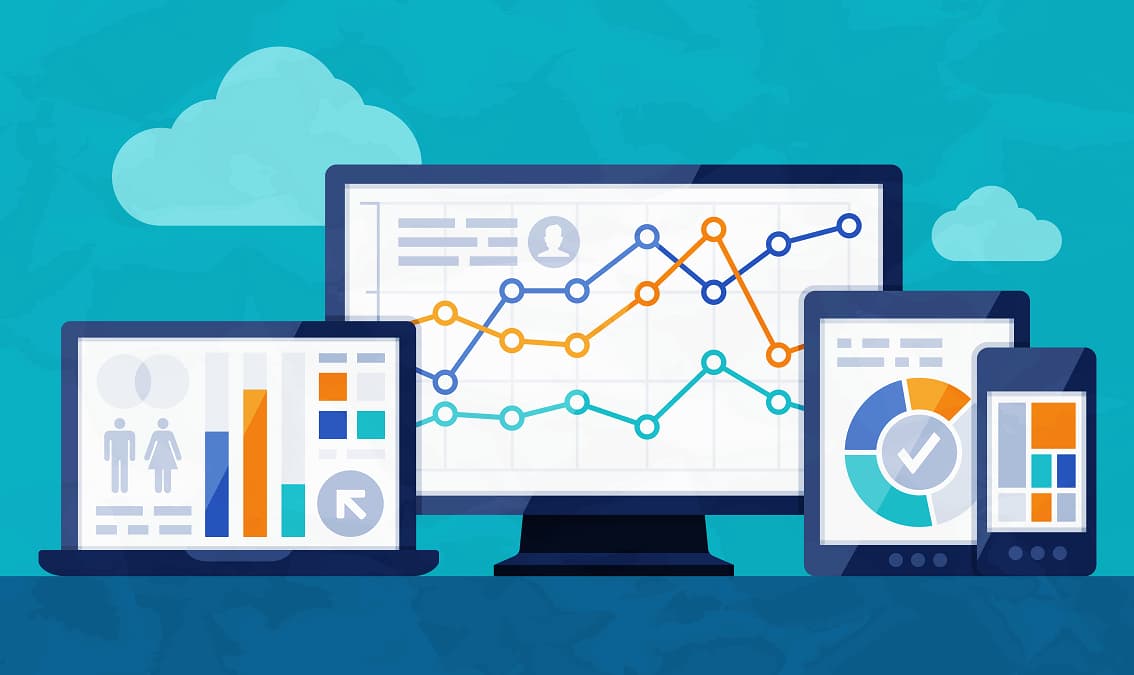
Revenue Forecasting and Analysis
The International Monetary Fund
Presented by the IMF Fiscal Affairs Department, the course offers hands-on learning that will help students build foundational knowledge on the different quantitative models and techniques that can be used to forecast revenues and undertake tax policy analysis, while also exploring related issues such as the features of a sound institutional framework and the key principles of tax policymaking.
About this Course
Revenue forecasting refers to the use of analytical techniques to produce estimates of future financial inflows for the government. It is of crucial importance to policymakers, as it helps them devise sound public polices and plan spending programs based on these projected revenues. While governments derive revenues from various sources, taxes typically are the main funding mechanism. Therefore, this course focuses on the forecasting and analysis of tax revenue. We first pinpoint places where data can be accessed and guide you on how to assess the quality of your data. We then move to general forecasting techniques. We apply these techniques to forecast major tax revenue items such as: value added taxes, import duties, excises, personal income tax and corporate income tax. The course also provides an introduction to techniques that can be used to estimate the revenue effects of policy changes and their distributional impact.
What You'll Learn
- Upon completion of this course, participants should be able to:1. Analyze fundamental principles and trends in tax revenue analysis.2. Explain the key features of an effective institutional framework for revenue forecasting.3. Identify data requirements and recognize potential data issues.4. Produce revenue forecasts using different methods.5. Recognize the strengths and limitations of different forecasting methods.6. Quantify the revenue impact of tax policy changes, using input-output tables and micro-simulation models.
Prerequisites
- Some knowledge of taxation and/or economics is helpful. Basic Microsoft Excel skills and access to a computer with a reliable Internet connection are essential.
Instructors
Sébastien Leduc
Economist
Dinar Prihardini
Economist
Fabien Gonguet
Economist
Aqib Aslam
Deputy Division Chief