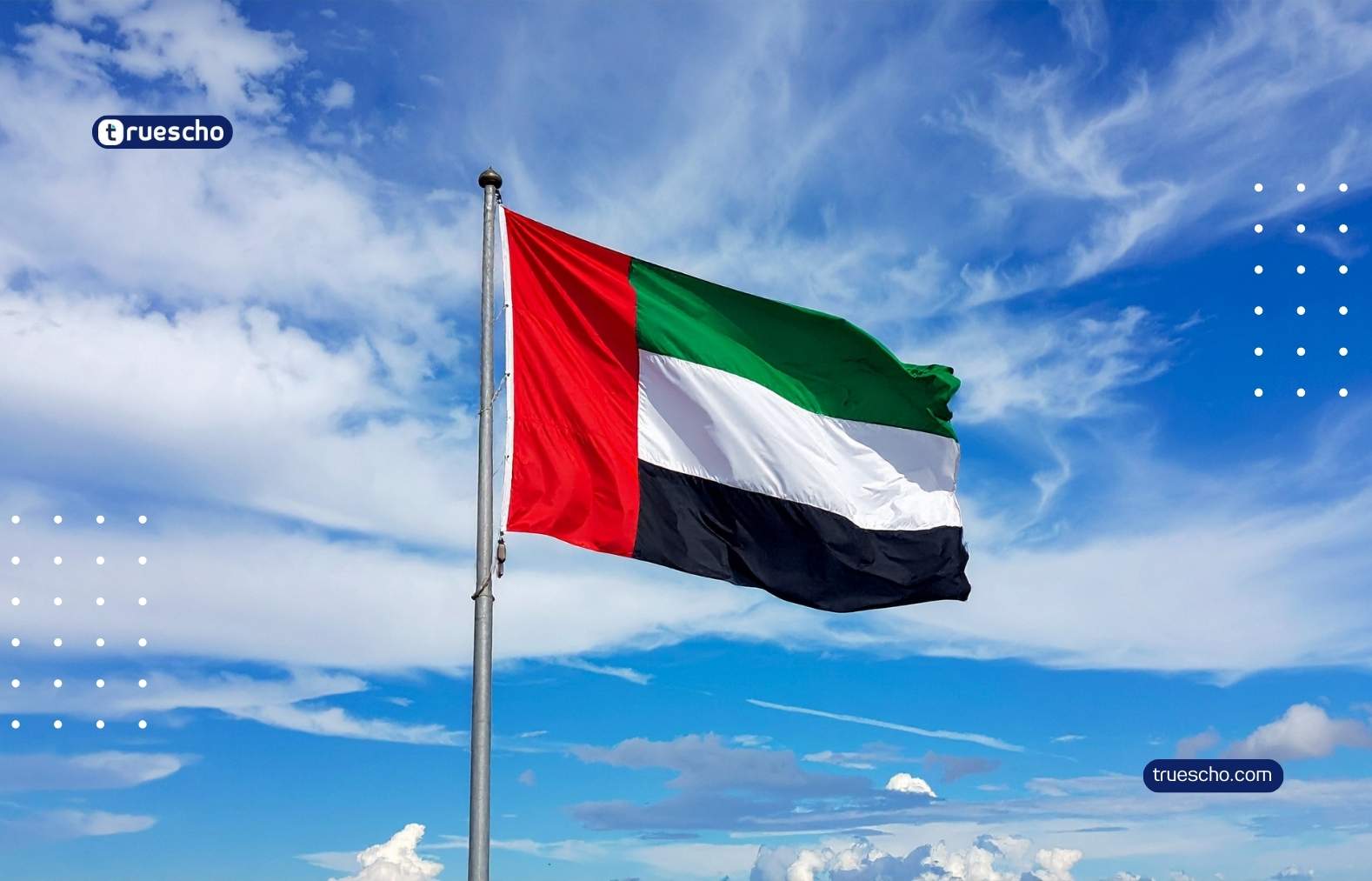
الدراسة في الإمارات العربية المتحدة 2026: دليلك الشامل للجامعات والتكاليف والقبول للطلاب الدوليين

الدراسة في الإمارات 2026: دليلك الشامل لأفضل الجامعات، التكاليف، شروط القبول، المنح المتاحة، وخطوات التقديم للطلاب العرب والدوليين. كل ما تحتاجه لبناء مستقبل أكاديمي ناجح في الإمارات.
خلال السنوات الأخيرة أصبحت الدراسة في الإمارات واحدة من أكثر الخيارات جذبًا للطلاب العرب والدوليين؛ بسبب مزيج فريد من الجامعات العالمية، والبرامج المُدرَّسة باللغة الإنجليزية، والبنية التحتية الحديثة، وفرص التدريب والعمل في واحدة من أقوى الاقتصادات في المنطقة.
هذا المقال هو دليل شامل عن الدراسة في الإمارات 2026، يركّز على:
- أفضل المدن والجامعات للطلاب الدوليين
- تكاليف الدراسة والمعيشة بعملات وأرقام تقريبية
- شروط القبول وتأشيرة الطالب
- المنح والتمويل المتاح
- خطوات التقديم خطوة بخطوة
مع روابط رسمية في نهاية المقال حتى تعود مباشرة إلى المصادر الحكومية والجامعية الموثوقة.
أولاً: مميزات الدراسة في الإمارات للطلاب العرب والدوليين
1. بيئة دراسية عالمية ومتعددة الثقافات
الإمارات تضم عشرات الجامعات المحلية والعالمية، منها جامعات وطنية معروفة مثل جامعة الإمارات العربية المتحدة، وجامعات خاصة ودولية تابعة لمؤسسات تعليمية في أوروبا وأمريكا وآسيا.
ستجد في القاعات الدراسية طلابًا من عشرات الجنسيات، ما يمنحك شبكة علاقات دولية وخبرة حقيقية في التواصل مع ثقافات مختلفة؛ وهي نقطة قوة كبيرة لسوق العمل لاحقًا.
2. موقع استراتيجي واقتصاد قوي
تقع الإمارات في نقطة وصل بين آسيا وأوروبا وإفريقيا، مع مطارات ضخمة وشركات طيران عالمية، واقتصاد يعتمد على قطاعات متنوعة: الطاقة، الطيران، السياحة، الخدمات المالية، التكنولوجيا، اللوجستيات… هذه البيئة تخلق فرص تدريب وتوظيف ممتازة للخريجين في مختلف المجالات.
3. برامج قوية باللغة الإنجليزية
الغالبية العظمى من برامج البكالوريوس والماجستير في الجامعات الخاصة والدولية تُدرَّس باللغة الإنجليزية، ما يجعل الدراسة في الإمارات خيارًا مثاليًا للطلاب الذين يريدون شهادة عالمية دون الابتعاد كثيرًا عن العالم العربي.
4. بنية تحتية وخدمات طلابية متقدمة
الحرم الجامعي في مدن مثل دبي وأبوظبي والشارقة يوفر عادةً:
- قاعات دراسية ذكية
- معامل ومختبرات حديثة
- سكن طلابي، خدمات صحية، مراكز استشارات أكاديمية
- أنشطة طلابية، أندية، مسابقات، وفعاليات مهنية
يمكنك أيضاً الاطلاع على الدراسة في السعودية للطلاب الدوليين
ثانياً: نظرة على نظام التعليم العالي والاعتماد في الإمارات
تنظِّم الدولة قطاع التعليم العالي عبر وزارة التربية والتعليم وهيئات تنظيمية في كل إمارة، مثل:
- وزارة التربية والتعليم في الإمارات على مستوى الدولة
- هيئة المعرفة والتنمية البشرية KHDA في دبي، المسؤولة عن ترخيص الجامعات وضمان الجودة
- دائرة التعليم والمعرفة في أبوظبي ADEK في أبوظبي
النقطة الأهم: قبل اختيار أي جامعة، يجب التأكد من أنها مُرخَّصة وأن برامجها معتمدة من الجهات الرسمية. يمكن ذلك عبر:
القوائم الرسمية لمؤسسات التعليم العالي المرخّصة على موقع الوزارة
هذا مهم جدًّا؛ لأن الحصول على شهادة من جامعة غير معتمدة قد يمنع تصديق شهادتك أو الاعتراف بها عند التوظيف أو استكمال الدراسات العليا.
ثالثاً: أهم المدن والجامعات للدراسة في الإمارات
1. الدراسة في دبي
دبي تُعد الوجهة الأشهر للطلاب الدوليين بسبب:
- تركيز عالٍ للجامعات الدولية
- بيئة عمل عالمية في مجالات مثل الأعمال والتسويق والهندسة وتكنولوجيا المعلومات
- فرص تدريب في شركات متعددة الجنسيات
من الجامعات المعروفة في دبي:
- Middlesex University Dubai
- American University in Dubai
- Heriot-Watt University Dubai (ضمن قائمة الهيئات والدلائل الرسمية للتعليم العالي في الإمارة).
2. الدراسة في أبوظبي
العاصمة تستضيف جامعات بحثية قوية، خاصة في الهندسة والعلوم والذكاء الاصطناعي والطب. من أبرز الأمثلة:
- Khalifa University
- Abu Dhabi University
3. الدراسة في الشارقة والعين
إمارة الشارقة مدينة جامعية بامتياز، تضم:
- American University of Sharjah
أما مدينة العين فهي مقر جامعة الإمارات العربية المتحدة التي تُعد من أقدم وأقوى الجامعات الوطنية.
رابعاً: التخصصات الأكثر طلبًا وذات عائد مرتفع
إذا كنت تهدف إلى زيادة فرص التوظيف وارتفاع الراتب، فهذه من أكثر التخصصات طلبًا في سوق العمل الإماراتي والخليجي:
- إدارة الأعمال وإدارة المشاريع
- الهندسة (الكهربائية، الميكانيكية، المدنية، هندسة الطيران)
- علوم الحاسوب، الذكاء الاصطناعي، علم البيانات، الأمن السيبراني
- المالية والمحاسبة والمصارف الإسلامية
- التسويق الرقمي، التجارة الإلكترونية، الإعلام
- التخصصات الصحية (التمريض، الصيدلة، الطب، علوم المختبرات الطبية)
- إدارة الضيافة والسياحة وإدارة الفعاليات
اختيارك لتخصص مطلوب ومعترف به يزيد عائد الاستثمار من الدراسة في الإمارات، ويجعل فرص العمل محليًا وإقليميًا أعلى.
يمكنك أيضاً الاطلاع على الدراسة في ألمانيا
خامساً: لغة الدراسة ومتطلبات اللغة
في معظم الجامعات الخاصة والدولية، لغة الدراسة الأساسية هي الإنجليزية، وغالبًا ما يُطلب أحد اختبارات الكفاءة مثل:
- IELTS Academic
- TOEFL iBT
- أو أحيانًا اختبار Duolingo English Test أو اختبارات داخلية للجامعة
بعض الجامعات تقبل الطلاب بشرط الالتحاق ببرنامج لغة تمهيدي إذا كان مستوى اللغة أقل من المطلوب. متطلبات اللغة تختلف من جامعة لأخرى، لذلك يجب مراجعة صفحة القبول في الجامعة التي تنوي التقديم لها.
سادساً: تكاليف الدراسة والمعيشة في الإمارات
1. تكاليف الدراسة (الرسوم الجامعية)
تختلف الرسوم باختلاف الجامعة والتخصص والمرحلة الدراسية. لكن يمكن وضع نطاقات تقريبية سنوية لبرامج البكالوريوس:
- برامج البكالوريوس العامة (إدارة، إعلام، علوم إنسانية) تقريبًا: من 37,500 إلى 70,000 درهم إماراتي سنويًا في العديد من الجامعات.
- التخصصات الهندسية والحاسوبية قد ترتفع لتتراوح بين 50,000 و100,000 درهم إماراتي سنويًا في بعض الجامعات الخاصة والبرامج المتقدمة.
- التخصصات الطبية والصحية عادةً في شريحة أعلى من المتوسط، وقد تتجاوز 100,000 درهم سنويًا في بعض الكليات الخاصة.
كمثال واقعي، تُظهر بعض جداول الرسوم في جامعات مثل أبوظبي أن برامج البكالوريوس قد تتراوح في حدود 25,000–40,000 درهم لكل فصل أو سنة، بحسب عدد الساعات المعتمدة والتخصص.
ملاحظة مهمة: دائمًا احسب الرسوم بناءً على عدد الساعات المعتمدة (Credit Hours)، لأن كثيرًا من الجامعات تعرض السعر لكل ساعة، لا للسنة كاملة.
2. تكاليف المعيشة والسكن
تختلف تكاليف المعيشة حسب الإمارة ونمط حياتك، لكن بشكل تقريبي:
- السكن الطلابي داخل الجامعة: قد يتراوح بين 14,000 و32,000 درهم إماراتي سنويًا حسب نوع الغرفة (مزدوجة/خاصة) والخدمات.
- الإيجار خارج الجامعة (مشترك): يمكن أن يبدأ من 2,500–3,500 درهم شهريًا في شقة مشتركة بعيدًا عن مركز المدينة، ويرتفع كلما اقتربت من المناطق الحيوية في دبي وأبوظبي.
- المصاريف الشهرية الأخرى (طعام، نقل، إنترنت، كتب، ترفيه بسيط): من 1,500 إلى 3,000 درهم تقريبًا، حسب أسلوب المعيشة.
بشكل عام، يمكن القول إن الطالب يحتاج تقريبًا من 4,000 إلى 6,500 درهم شهريًا (سكن + معيشة) في المدن الكبرى، مع إمكانية تقليل الكلفة في حال المشاركة مع طلاب آخرين.
سابعاً: المنح الدراسية والتمويل المتاح
رغم أن الدراسة في الإمارات ليست الأرخص في المنطقة، إلا أن هناك خيارات تخفّف من العبء المالي، مثل:
- المنح الجزئية أو الكاملة من الجامعات نفسها
كثير من الجامعات الوطنية والخاصة تقدم:
- منح تفوّق أكاديمي للطلاب ذوي المعدلات المرتفعة
- منح على أساس الحاجة المالية
- خصومات للطلاب الدوليين أو لأبناء الجاليات العربية
- المنح الحكومية وبرامج التبادل تذكر المنصة الرسمية لحكومة الإمارات أن هناك برامج تبادل ومنح للطلاب من داخل الدولة ومن خارجها، خاصة في مجالات محددة كالصحة والتعليم.
- التمويل الخارجي والقروض التعليمية بعض الطلاب يعتمدون على منح من حكوماتهم أو مؤسسات دولية، أو على قروض تعليمية من بنوك في بلدانهم أو من مؤسسات متخصصة.
النصيحة العملية:
- راقب دائمًا قسم Scholarships / Financial Aid في مواقع الجامعات.
- قدم مبكرًا، لأن المقاعد الممولة غالبًا محدودة والتنافس عليها مرتفع.
يمكنك أيضاً الاطلاع على الدراسة في بريطانيا
ثامناً: شروط القبول والمتطلبات الأكاديمية
شروط القبول تختلف من جامعة لأخرى، لكن بشكل عام يحتاج المتقدم إلى:
- شهادة الثانوية العامة أو ما يعادلها بمعدل معيّن حسب التخصص (غالبًا ما يكون أعلى للتخصصات الطبية والهندسية).
- معادلة الشهادة إن كانت صادرة من خارج الإمارات (Certificate of Equivalency)، وهي عملية تتحقّق من أن شهادتك معترف بها من وزارة التعليم في الدولة.
- إثبات كفاءة اللغة الإنجليزية (IELTS / TOEFL / اختبار آخر معتمد).
- بعض التخصصات قد تطلب:
- اختبار قبول خاص
- مقابلة شخصية
- سيرة ذاتية ورسالة دافعية (خاصة في الماجستير)
إجراءات معادلة الشهادات أصبحت أكثر تنظيمًا، مع تقليل الأوراق المطلوبة ضمن سياسة تسهيل الاعتراف بالمؤهلات الأجنبية، وهو ما تشير إليه تقارير حديثة عن تبسيط إجراءات الاعتراف بالدرجات في الإمارات.
تاسعاً: تأشيرة الطالب في الإمارات ومتطلبات الإقامة
1. أنواع تأشيرة الطالب
وفق المنصة الرسمية لحكومة الإمارات، يمكن للطالب الدراسة عبر:
- تأشيرة طالب تحت رعاية الجامعة (الأكثر شيوعًا للطلاب الدوليين).
- أو تحت رعاية أحد الوالدين المقيمين في الإمارات (ضمن شروط عمر محددة).
2. المتطلبات الأساسية لتأشيرة الطالب
عادةً تشمل المتطلبات:
- قبول جامعي رسمي من مؤسسة تعليمية معترف بها في الإمارات
- جواز سفر ساري المفعول لمدة لا تقل عن 6 أشهر
- صور شخصية بخلفية بيضاء
- فحص طبي داخل الإمارات
- تأمين صحي
- كشف حساب أو إثبات قدرة مالية (في بعض الحالات)
- نسخة من صفحة بيانات الجواز، وقد طُلب مؤخرًا في بعض أنواع التأشيرات إرفاق صورة غلاف الجواز الأمامي أيضًا ضمن المستندات الإلكترونية
3. هل يمكن للطلاب العمل أثناء الدراسة؟
نعم، تسمح الأنظمة في الإمارات للطلاب الدوليين بالعمل بدوام جزئي حتى 20 ساعة في الأسبوع خلال الفصل الدراسي، بدعم من تصريح عمل خاص للطلاب من وزارة الموارد البشرية والتوطين، وبموافقة الجامعة.
هذا يفتح مجالًا لاكتساب خبرة عملية في مجالات مثل الضيافة، التسويق، المبيعات، خدمة العملاء، أو حتى الوظائف التقنية.
عاشراً: خطوات التقديم للدراسة في الإمارات – خطوة بخطوة
الخطوة 1: تحديد التخصص والمرحلة الدراسية
اختر التخصص الذي يناسب ميولك وسوق العمل (مثل إدارة الأعمال، هندسة البرمجيات، الطب، التمريض، الطيران…).
الخطوة 2: البحث عن جامعة معتمدة
- استخدم مواقع وزارة التعليم والهيئات التنظيمية للتأكد من اعتماد الجامعة والبرنامج.
- قارن بين الجامعات من حيث الرسوم، لغة الدراسة، المدينة، فرص التدريب.
الخطوة 3: مراجعة شروط القبول
اذهب لصفحة القبول في موقع الجامعة واقرأ جيدًا متطلبات:
- المعدل المطلوب
- اللغة
- المستندات (شهادات، ترجمة، توثيق…)
الخطوة 4: تجهيز المستندات
جهز نسخًا مترجمة ومصدّقة من شهاداتك، ونتيجة اختبار اللغة، وصور جواز السفر، وخطابات التوصية (إن لزم).
الخطوة 5: التقديم عبر النظام الإلكتروني
معظم الجامعات لديها بوابة إلكترونية للتقديم.
- أنشئ حسابًا
- املأ نموذج الطلب
- ارفع المستندات
- ادفع رسوم التقديم (إن وُجدت)
الخطوة 6: استلام عرض القبول ودفع العربون
إذا تم قبولك، ستحصل على:
- عرض قبول مشروط أو نهائي
- طلب لدفع جزء من الرسوم لتثبيت المقعد
الخطوة 7: طلب تأشيرة الطالب وترتيب السفر
بعد تثبيت القبول، either:
- تتولى الجامعة إجراءات تأشيرة الطالب
- أو تستكملها أنت بمساعدة مكتب شؤون الطلاب الدوليين
ثم تحجز تذكرة السفر وترتب السكن.
الخطوة 8: الوصول والتسجيل النهائي
عند وصولك:
- تستكمل الفحص الطبي
- تحصل على الإقامة وبطاقة الهوية الإماراتية
- تسجل المواد وتدفع بقية الرسوم
- تحضر أسبوع التهيئة (Orientation) للتعرّف على الحرم والأنظمة.
يمكنك أيضاً الاطلاع على الدراسة في تركيا
أسئلة شائعة حول الدراسة في الإمارات
هل يمكن الدراسة في الإمارات بعد الثانوية مباشرة؟
نعم، معظم الجامعات تقبل الطلاب بعد انتهاء الثانوية مباشرة بشرط استيفاء المعدل ومتطلبات اللغة والمواد العلمية للتخصصات العلمية.
هل يمكن الدراسة في الإمارات بدون IELTS؟
بعض الجامعات تقدم برامج لغة تحضيرية أو تقبل اختبارات بديلة، أو تعفيك إذا كانت دراستك السابقة باللغة الإنجليزية. لكن في الغالب ستحتاج إلى إثبات كفاءة لغوية بطريقة ما، خاصة في البرامج الدولية.
هل يمكن البقاء في الإمارات بعد التخرج؟
هذا يعتمد على حصولك على وظيفة أو تأشيرة أخرى (مثل تأشيرة عمل أو أقارب مقيمين أو برامج خاصة للخريجين المؤهلين أو حاملي المؤهلات المعترف بها). بعض الخريجين يستفيدون أيضًا من برامج مثل الإقامة طويلة الأمد لمن يحقق شروطًا محددة، لكن لا يوجد ضمان تلقائي للبقاء من خلال الدراسة وحدها.
نصائح ذهبية قبل اتخاذ القرار
- اجعل الاعتماد الرسمي للجامعة والبرنامج أولوية رقم 1.
- قارن جيدًا بين تكاليف الدراسة في الإمارات وتكاليف المعيشة قبل الالتزام.
- فكّر في التخصصات ذات الطلب المرتفع مثل الهندسة، الطب، علوم الكمبيوتر، وإدارة الأعمال.
- حاول الحصول على منحة جزئية أو خصم من الجامعة إذا كان معدلك مرتفعًا.
- طوّر لغتك الإنجليزية قبل السفر لتتقن الدراسة والتواصل والعمل الجزئي.
بهذا تكون أمام رؤية شاملة عن الدراسة في الإمارات تساعدك على اتخاذ قرار مبني على معلومات دقيقة وعملية.
روابط رسمية ومراجع موثوقة
- منصة حكومة الإمارات الرسمية – التعليم الجامعي والعالي
- تأشيرة الإقامة للدراسة في الإمارات (تأشيرة الطالب)
- وزارة التربية والتعليم في دولة الإمارات العربية المتحدة
- قائمة مؤسسات التعليم العالي المرخّصة في الإمارات
- قائمة مؤسسات التعليم العالي المعتمدة (هيئة الاعتماد الأكاديمي CAA)
- دليل مؤسسات التعليم العالي في دبي (KHDA)
- جامعة الإمارات العربية المتحدة – الصفحة الرسمية
- Abu Dhabi University – الصفحة الرسمية
Scholarships Expert
كاتب في مدونة Truescho — نقدم محتوى موثوق عن المنح والدراسة والهجرة.