Study in Turkey 2026: University Costs, Best Majors, Scholarships, and Detailed Admission Steps
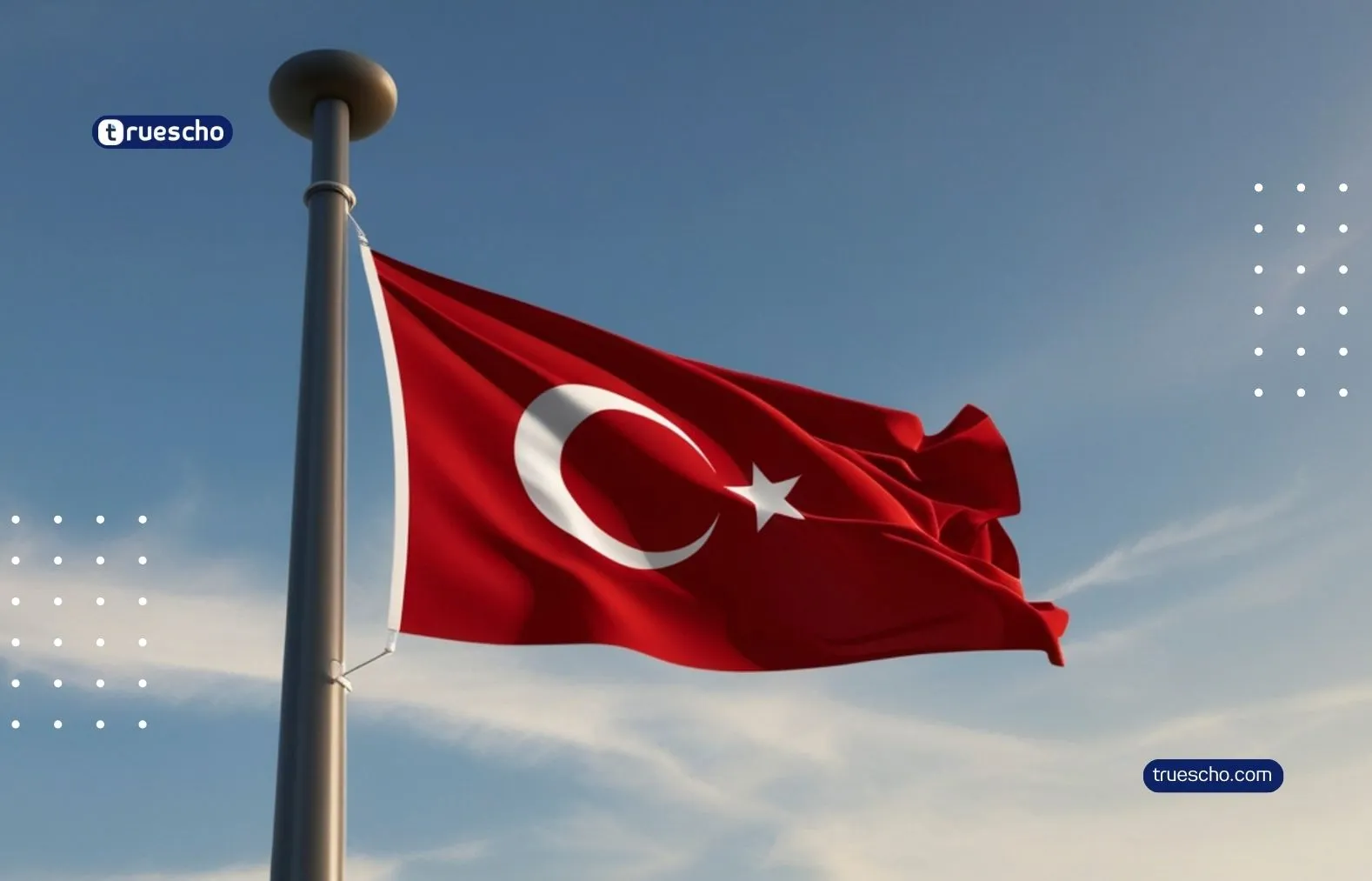
Study in Turkey 2026: A comprehensive guide for international students explaining tuition fees and living costs in Turkey in USD, the best universities and majors, admission requirements for bachelor's, master's, and PhD programs, and the most important scholarships in Turkey with updated official links and practical tips for choosing the right university.
If you are considering studying in Turkey in 2026, you are now looking at one of the fastest-growing educational destinations in the world. Turkey combines internationally recognized universities, lower tuition and living costs compared to many European countries, and programs offered in both English and Turkish across dozens of in-demand fields.
In this comprehensive guide, you will find everything you need to know about:
- The advantages of studying in Turkey and why it has become a strategic option for Arab students
- The structure of Turkish higher education and the role of the Higher Education Council (YÖK)
- University tuition fees in Turkey (in USD) and detailed living costs
- The best cities and universities for international students
- Admission requirements for bachelor’s, master’s, and PhD programs
- Scholarships in Turkey 2026, especially the Türkiye Scholarships program
- Step-by-step application procedures for Turkish universities, visas, and residence permits
Important Note: Financial information (tuition fees, living expenses) is approximate and may vary from one university to another. Official linked sources should always be reviewed before making decisions.
You can also explore the Studying in the UK 2026
First: Why Is Studying in Turkey in 2026 an Attractive Option for International Students?
1. A strategic geographical location between Europe and Asia
Turkey is located at the intersection of East and West, which means you study in a country that is:
- Close to the Arab world
- Connected by air to most Arab capitals
- Offering exposure to both Europe and Asia simultaneously
This location makes Turkey an important hub for international students, especially in fields such as business, international trade, logistics, international relations, and engineering.
2. Accredited universities and multilingual programs
Higher education in Turkey is overseen by the Higher Education Council (YÖK), the body responsible for regulating universities, ensuring quality, and setting general standards for higher education nationwide.
Strong public universities include: Istanbul University, Ankara University, Hacettepe University, Middle East Technical University (METU), and Boğaziçi University.
Outstanding private/foundation universities include: Koç University, Sabancı University, Bilkent University, and others in Istanbul, Ankara, and Izmir.
Many of these universities offer full programs in English, especially in: Medicine, engineering, business administration, political science, and computer sciences.
3. Lower tuition and living costs compared to Western Europe
Compared to countries such as Germany, the Netherlands, or the UK, studying in Turkey in USD remains more affordable—especially in public universities. Housing, food, and transportation are also reasonably priced when the student manages expenses wisely.
4. Diverse scholarship opportunities
In addition to low tuition in public universities, you will find:
- The fully funded Türkiye Scholarships program offered to students from around the world
- Partial or full tuition waivers offered by private/foundation universities
- Additional funding programs from various international organizations
5. A culturally rich living experience
Turkey is a top-tier cultural and tourist destination, featuring:
- Historic cities such as Istanbul, Bursa, and Konya
- Diverse nature (sea, mountains, rivers)
- A multicultural community with a culture close to Arab and Islamic values
Second: Overview of the Higher Education System in Turkey
1. Types of universities and educational institutions
Turkish universities can be categorized into:
Public Universities
- Lower tuition fees
- Higher competition
- Located in almost all Turkish cities
Private / Foundation Universities
- Higher tuition but more modern facilities
- Many programs offered in English
- Provide partial scholarships based on merit or need
Technical and specialized universities
Focused on engineering, technology, or certain fields
2. Language of instruction: Turkish and English
- Many programs are taught in Turkish, with the option of a preparatory year.
- A large number of universities offer full English-taught programs, particularly in medical, engineering, and business fields.
- For Turkish-taught programs, you usually need proof of Turkish proficiency (TÖMER or an internal test).
3. The role of YÖK
The Higher Education Council (YÖK) oversees:
- University regulation and program accreditation
- Setting minimum and maximum tuition fees for public universities
- Equivalency of foreign degrees (YÖK Equivalency), especially for medical and engineering fields
You can also explore the Fully Funded Scholarships Without IELTS
Third: University Tuition Fees in Turkey (USD) & Living Costs
1. Tuition fees in public universities
According to multiple international education sources specializing in Turkey, public university tuition fees for international bachelor’s students generally range between:
- 250 – 1,500 USD per year
- Some competitive majors (like medicine and engineering) may be higher.
- In medical fields, total annual fees may reach several thousand USD—still significantly lower than many European countries.
These numbers are estimates because each university sets its own fees annually.
2. Tuition fees in private/foundation universities
Fees vary depending on:
- City (Istanbul is usually more expensive)
- University reputation
- Language of instruction (English programs are more expensive)
Average annual tuition fees:
- 3,500 – 10,500 USD for most majors
- 14,000 – 27,500 USD for medicine, dentistry, and pharmacy in some universities depending on major and instruction language
Many private universities offer:
- Early-registration discounts
- Merit-based partial scholarships
- Special discounts via recognized educational agencies
3. Living costs for students in Turkey
Living expenses depend on the city and lifestyle, but approximate monthly averages are:
- Housing (dorm/shared apartment): 150 – 400 USD
- Food and essentials: 100 – 250 USD
- Transportation: 20 – 60 USD
- Internet/communication: 15 – 30 USD
- Other personal expenses: 50 – 150 USD
A typical student may need 300 – 800 USD per month, depending on the city (Istanbul is higher, smaller cities lower).
Fourth: Best Cities and Universities for Studying in Turkey
1. Istanbul
Turkey’s largest and most famous city, hosting many public and private universities, such as:
- Istanbul University
- Istanbul Technical University
- Boğaziçi University
- Marmara University
- Koç University (private)
- Sabancı University (private)
Advantages of Istanbul:
- High cultural diversity
- More internship and part-time job opportunities
- Strong transportation network
- Active student life
2. Ankara
The political capital with top public universities such as:
- METU (Middle East Technical University)
- Hacettepe University
- Ankara University
It is organized, less crowded than Istanbul, and slightly cheaper for living expenses.
3. Izmir, Konya, Eskişehir, Bursa and others
These cities offer good universities, lower living costs, and calmer lifestyles.
Fifth: Top Majors to Study in Turkey in 2026
Major selection depends on:
- Program strength
- Local and international job prospects
- Graduate-study opportunities
Highlighted fields:
- Medicine, Dentistry, Pharmacy Highly competitive with higher tuition fees
- Engineering (Electrical, Mechanical, Civil, Architecture, Mechatronics) Strong technical universities and many English-taught programs
- Computer Science, AI, Software Engineering, Cybersecurity High global demand and government support
- Business Administration, Finance, International Trade, Logistics Suitable for careers in multinational companies and entrepreneurship
- Biomedical Engineering, Aerospace Engineering, Renewable Energy Growing future-oriented fields
- Turkish Language, Media, International Relations, Political Science Useful for translation, diplomacy, media, and NGOs
You can also explore the Study in Saudi Arabia for International Students
Sixth: Admission Requirements for International Students
1. Bachelor’s admission requirements
Requirements vary by institution but commonly include:
- High school diploma + transcript Minimum grade requirement Some universities may require or prefer:
- YÖS / TR-YÖS exam SAT or other international exams
- Language proficiency:
- Turkish (TÖMER or university exam) or English (IELTS / TOEFL / internal exam) Some universities accept alternatives depending on policies
YÖK recently announced that TR-YÖS aims to unify international student admission exams in public universities and is offered in multiple countries.
2. Master’s and PhD admission requirements
Usually include:
- Bachelor’s degree (for master’s) / Master’s degree (for PhD)Transcript
- Statement of Purpose
- Academic/Professional CV
- 2–3 recommendation letters
- Language proficiency (English/Turkish)
Some programs may require:
- Online interview
- Written exam
- Research proposal (for research-based programs)
Seventh: Scholarships in Turkey 2026
1. Türkiye Scholarships (Turkish Government Scholarship)
Türkiye Bursları is one of the most well-known government scholarships globally, offering:
- Full tuition waiver
- Monthly stipend
- Subsidized student housing
- Health insurance
- Round-trip flight tickets
- A Turkish-language preparatory year (in most cases)
Application process:
- Applications are submitted exclusively via the official scholarship portal.
- All documents must be uploaded online.
- Selection is highly competitive and no organization can guarantee acceptance.
2. University scholarships and discounts
Many Turkish universities—especially private institutions—offer:
- Partial merit scholarships (25%–75% discounts)
- Early-registration discounts
- Special scholarships for specific nationalities or fields
Applications are usually submitted with the admission application.
3. Scholarships from international institutions
Some scholarships come from:
- International organizations
- Charitable foundations
- Development banks (e.g., the Islamic Development Bank)
These programs change annually and require checking official sources.
You can also explore the Study in Germany 2026
Eighth: Step-by-Step Application Guide for Turkish Universities 2026
According to the official Study in Türkiye portal, the main steps are:
Step 1: Choose your degree level and major
- Bachelor’s, Master’s, or PhD
- Shortlist 2–4 related majors (e.g., Electrical Engineering / Energy Engineering / Mechatronics Engineering)
Step 2: Research suitable universities
Use:
- Official university websites
- Study in Türkiye portal
- Accredited educational platforms
Focus on:
- Language of instruction
- Annual tuition fees
- City
- Program strength
Step 3: Review admission requirements for each university/program
Check the program page for:
- Required documents
- Minimum grades
- Exam requirements (YÖS / SAT)
- Language requirements
Step 4: Prepare and translate documents
You may need:
- Diploma
- Transcript
- Passport
- Photos
- Language certificates
- Recommendation letters
- Statement of Purpose
Documents often require translation to English or Turkish.
Step 5: Apply via the university portal or official platform
- Some universities use their own application systems.
- Platforms like Study in Türkiye provide guidance and links.
After submitting your application, you may be asked to:
- Pay a small application fee
- Attend an online interview
- Upload additional documents
Step 6: Receive conditional or final acceptance
If accepted, you will receive a Letter of Acceptance, which is required for the student visa application at the Turkish embassy or consulate.
Ninth: Student Visa and Residence Permit in Turkey
According to the official Study in Türkiye portal, international students must:
Obtain a student visa from the nearest Turkish embassy or consulate before traveling. Apply for a student residence permit after arriving and registering at the university—usually within the first 30 days.
Required documents may include:
- Valid passport
- Photos
- University acceptance letter
- Proof of accommodation
- Health insurance
- Proof of financial ability
Regulations may change, so always consult:
- Official website of the Turkish Ministry of Foreign Affairs
- Visa page on Study in Türkiye
- Official website of the Turkish embassy in your country
Tenth: Practical Tips for Choosing a University and Major in Turkey
- Set your budget clearly Consider both tuition and living costs
- Separate scholarships from paid study options Have a backup plan
- Check accreditation Especially for medical, engineering, and legal fields
- Read student experiences But don't rely solely on a single experience
- Pay attention to language of instruction Are you ready for a full Turkish program? Or do you prefer English-taught programs?
- Review curriculum details Courses, labs, internship opportunities
- Beware of unrealistic promises Any entity guaranteeing “100% acceptance” or “certain scholarship” is not reliable.
Eleventh: FAQs about Studying in Turkey
1. Can I study in Turkey without IELTS?
Yes, in many cases, especially if:
- The program is in Turkish (with a preparatory year) or The university accepts alternatives or internal language exams
- However, strong English-taught programs usually require proof of proficiency.
- Always check the official regulations of each university and program.
2. Can students work while studying?
- Regulations vary by degree level and immigration laws.
- Some students work part-time, especially in master’s and PhD programs.
- Always check with the university’s international office for updated information.
3. Can I bring my family while studying?
Some students bring family members via companion visas, but this depends on:
- Type of residence permit
- Student income
- Immigration rules at the time
Always verify with the Turkish embassy or immigration office before planning.
Conclusion: Is Studying in Turkey Right for You?
Studying in Turkey is not just a social-media trend. It is a serious academic option offering:
- Accredited universities and strong programs
- Lower costs than many European countries
- Attractive scholarships
- culturally familiar yet globally connected environment
However, to succeed, you need:
- A realistic financial plan
- Careful university and major selection
- Reliance on official information rather than marketing promises
If your goal is to study in Turkey in 2026 as part of a genuine academic and professional journey, this guide can be your starting point. The next step is researching specific programs and applying early.
Official Reliable Sources on Studying in Turkey
Scholarships Expert
Writer at Truescho Blog — We provide trusted content about scholarships, study abroad, and immigration.