
Study in Japan: Your Complete Guide To Admission, Costs, Scholarships, and Student Life 2026
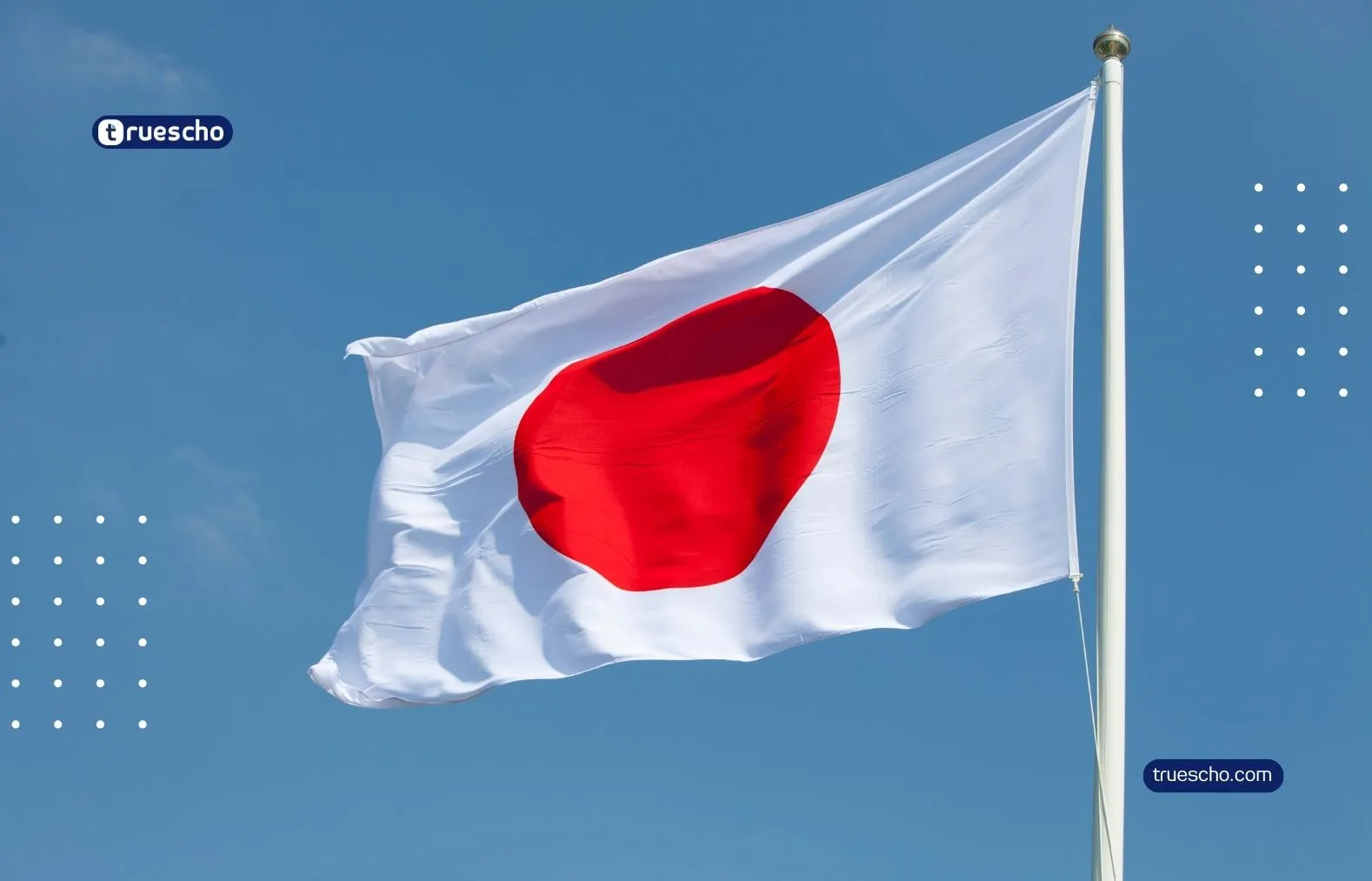
Thinking about studying in Japan? This complete 2026 guide explains admission requirements, tuition fees, scholarships (including MEXT), cost of living, part-time work, and the best cities and universities for international students.
Japan is no longer just the country of anime, sushi, and high-tech gadgets. It has become one of the most attractive study destinations in the world, especially for students interested in engineering, robotics, artificial intelligence, computer science, game development, business, and Japanese language and culture. While tuition and living costs are rising sharply in countries like the USA, UK, and Canada, Japan now stands out as a powerful alternative because it combines:
- Highly ranked universities with strong global reputation
- High-quality academic programs in both Japanese and English
- A safe, organized, and extremely clean environment
- Real job opportunities in one of the world’s strongest economies In addition, the number of international students in Japan has been increasing over recent years, with clear growth in fields like engineering, IT, AI, and Japanese studies. If you are looking for a country that offers both academic strength and a unique life experience, Japan is definitely worth serious consideration.
2. Overview of higher education in Japan
Japan’s higher education system is diverse. You don’t have just one path; instead, you can choose from several types of institutions depending on your goals and background.
2.1 Universities
Universities are the main route for undergraduate, master’s, and PhD degrees.
- National universities: funded by the government, generally have strong reputation and relatively reasonable tuition compared to private universities.
- Public (local) universities: run by local governments or municipalities.
- Private universities: more expensive on average, but many of them offer strong programs and modern facilities. The academic year usually starts in April, but many international programs also have an October intake.
2.2 Junior Colleges
Junior colleges usually offer:
- 2–3-year programs
- A more practical or vocational focus They are common in areas like early childhood education, nursing, business, and other applied fields.
2.3 Colleges of Technology
These institutions focus heavily on engineering and technical fields, combining theory with hands-on training. They prepare students to work directly in industry and are a good option for those who want a technical path and practical skills.
2.4 Specialized Training Colleges (Senmon Gakkō)
These are vocational schools that specialize in:
- Design and animation
- Game development
- IT and programming
- Culinary arts and hospitality
- Fashion, beauty, and many creative industries If you want to enter the job market quickly with a very practical and applied skillset, this type of institution can be ideal.
2.5 Japanese Language Schools
Japanese language schools are usually the first step for students who:
- Do not yet speak Japanese well enough for university
- Want to spend 6–24 months improving Japanese before applying for a degree They can also be a way to experience life in Japan before committing to a full degree program.
You can also explore the Studying in Qatar
3. Main advantages of studying in Japan
3.1 High academic quality and strong research
Japan is home to several top universities that consistently rank high in global rankings, especially in:
- Engineering and technology
- Natural sciences
- Medicine and health sciences
- Advanced research and innovation Universities like the University of Tokyo, Kyoto University, Osaka University, Tohoku University, and others are known worldwide for their research output, laboratories, and collaboration with industry.
3.2 Powerful economy and job opportunities
Japan is one of the largest economies in the world. It is home to global giants such as:
- Toyota
- Sony
- Panasonic
- Nintendo
- Honda
- Canon This creates strong opportunities for:
- Internships during your studies
- Part-time work
- Full-time jobs after graduation, especially in engineering, IT, manufacturing, automotive, electronics, finance, and business.
3.3 Safety, cleanliness, and organization
Japan is known for:
- Extremely low crime rates
- High levels of personal safety
- Clean public spaces
- Reliable and punctual public transportation For many international students, this provides a calm and secure environment in which they can focus on their studies.
3.4 Unique cultural experience
Studying in Japan means you will experience:
- A rich, ancient culture combined with very modern life
- Traditional festivals, temples, shrines, and historic cities like Kyoto and Nara
- Modern mega-cities like Tokyo and Osaka with endless entertainment and technology You also get to enjoy Japanese food, art, pop culture, and daily life from the inside, not just as a tourist.
4. Challenges you should know about
To make a balanced decision, you should be aware of the main challenges as well.
4.1 Language barrier
Even though there are many programs taught in English, Japanese is still essential for:
- Everyday life (shopping, hospitals, government offices)
- Part-time jobs
- Internships and full-time work after graduation If you don’t plan to learn Japanese seriously, you may struggle socially and professionally.
4.2 Academic pressure
Japanese academic culture is quite strict:
- Heavy workload of assignments, presentations, and exams
- High expectations from professors
- Strong competition, especially in top universities You’ll need discipline and time management to succeed.
4.3 Cost of living in big cities
Cities like Tokyo are among the most expensive in the world in terms of:
- Rent
- Transport
- Food Living in smaller cities is usually cheaper, but still requires proper financial planning.
4.4 Cultural shock and adaptation
Japanese culture is very different from Arab and Western cultures:
- Communication style is more indirect and polite
- Personal space, social rules, and etiquette are strict in many situations
- Work and study culture are highly disciplined and group-oriented You will need time and openness to adapt to this new environment.
You can also explore the Study in Malaysia
5. Degrees and available study programs
5.1 Bachelor’s degree (Undergraduate)
- Typical duration: 4 years (except for medicine, dentistry, and some specialist programs that take longer)
- You must have completed high school or equivalent in your country
- For programs taught in Japanese, you may need to sit for an entrance exam for international students, such as the EJU (Examination for Japanese University Admission for International Students)
5.2 Master’s degree
- Typical duration: 2 years
- Requires a bachelor’s degree in a relevant field
- For research-based programs, you often need:
- A clear research proposal
- Good academic record
- Sometimes prior contact with a prospective supervisor
5.3 Doctoral degree (PhD)
- Typical duration: about 3 years after the master’s degree
- Focuses on:
- Independent research
- Publications
- Possibly teaching or assisting in labs In some cases, you may first enroll as a Research Student for a semester or a year before officially starting the PhD, especially if you’re applying from outside Japan.
5.4 Language and exchange programs
- Short-term programs (one semester to one year) for:
- Japanese language
- Culture and society
- Exchange between partner universities These programs are ideal if you want a limited period in Japan without committing to a full degree.
6. Language of instruction and language requirements
6.1 Studying in Japanese
Most traditional programs in Japan are taught in Japanese. For those, universities typically expect:
- JLPT N2 at minimum, and
- For more demanding fields like medicine and law, N1 is often preferred Programs in Japanese are:
- More numerous
- Often cheaper than English-taught programs
- Highly competitive, especially in famous universities
6.2 Studying in English
Japan has been actively expanding English-taught programs to attract international students, especially in:
- Engineering and technology
- Business and economics
- International relations
- Data science and IT For these programs, you usually need:
- An English test such as IELTS (often 6.0–6.5 or higher) or TOEFL iBT with a specific minimum score
- Academic documents in English
- Motivation letter and possibly recommendation letters
6.3 Why you should still learn Japanese
Even if your degree is fully in English, learning Japanese is crucial for:
- Finding part-time work
- Communicating with local people
- Expanding internship and job opportunities after graduation Most Japanese companies, even international ones located in Japan, prefer or require at least conversational Japanese in daily work.
You can also explore the Study in Turkey
7. Tuition fees in Japan
Fees vary depending on the type of institution and major. Below is an approximate overview.
7.1 National universities
National universities have relatively standardized tuition:
- Annual tuition: around 535,800 yen per year (may change slightly)
- One-time admission fee: around 282,000 yen
- Total for the first year: roughly around 820,000 yen These universities provide strong academic quality and are popular among both Japanese and international students.
7.2 Public (local) universities
Tuition at public universities is similar to national universities, though sometimes slightly higher:
- First year may cost around 900,000–930,000 yen in total (including admission fee)
7.3 Private universities
Private universities vary widely in cost:
- Many non-medical programs: roughly 1,100,000–1,300,000 yen per year
- Medical and dental programs: can reach 2,000,000–3,800,000 yen per year or more Private universities often offer modern facilities and a variety of specialized programs, but you should check carefully for scholarships and tuition waivers.
7.4 Japanese language schools
Tuition fees for language schools vary depending on:
- City
- Type of school
- Program duration Generally, a full academic year may cost somewhere between 600,000 and 1,900,000 yen in tuition.
7.5 How to reduce your tuition costs
You can reduce your financial burden through:
- Applying for fully funded scholarships such as the MEXT scholarship
- Choosing national or public universities rather than private ones (when possible)
- Applying for tuition reduction or exemption offered by some universities for:
- High-achieving students
- Students with financial difficulties
8. Cost of living for students in Japan
Living expenses depend heavily on the city and your lifestyle.
8.1 Accommodation
On average:
- Nationwide average rent for students: about 41,000 yen per month
- In Tokyo: around 57,000 yen per month or more Housing options include:
- University dormitories (often cheaper but limited in spots)
- Private apartments
- Shared houses (share house), which can reduce costs and help you meet other students
8.2 Other monthly expenses (approximate)
- Food: 20,000–30,000 yen (less if you cook most of your meals)
- Transportation: 5,000–10,000 yen
- Utilities (electricity, water, gas): 5,000–10,000 yen
- Mobile phone and internet: 5,000–8,000 yen In total:
- In smaller or mid-sized cities: around 80,000–120,000 yen per month
- In Tokyo and major metropolitan areas: 120,000–200,000 yen per month depending on your lifestyle Planning a realistic budget is absolutely essential before you apply for admission or a visa.
9. Part-time work during your studies
Japan allows international students to work part-time under certain conditions.
9.1 Legal conditions
- You must obtain a special permission called “Permission to Engage in Activity Other Than That Permitted” from immigration
- During the academic term, you are usually allowed to work up to 28 hours per week
- During long vacations and breaks, this can increase (often up to 40 hours per week) Violating these rules can lead to serious consequences, including loss of your visa status, so it’s very important to follow them strictly.
9.2 Typical part-time jobs
Common student jobs include:
- Working in convenience stores and supermarkets
- Restaurants and cafés
- Language tutoring (especially English or your native language)
- On-campus jobs (library, research assistant, office assistant) The average monthly income from part-time work may cover a portion of your living expenses, but usually not all of them. You should never plan to rely 100% on part-time work to finance your study and living costs.
You can also explore the Studying in the UK
10. Major scholarships for studying in Japan
10.1 MEXT Scholarship (Japanese Government Scholarship)
The MEXT scholarship is one of the most famous and prestigious scholarships in Japan. It is offered by the Japanese Ministry of Education, Culture, Sports, Science and Technology. There are several tracks, including:
- Undergraduate students
- Research students (master’s and PhD)
- Colleges of Technology
- Specialized training colleges
- Japanese language and culture students
- Teacher training students
- Young Leaders Programs (YLP) Main benefits usually include:
- Full tuition fee coverage
- Monthly stipend (amount varies by level and can be adjusted by region)
- Round-trip airfare from your home country to Japan
- Admission support and often student housing support Competition for MEXT is extremely high, and the application process typically starts through:
- The Japanese embassy or consulate in your country, or
- Direct university recommendation (for some tracks)
10.2 JASSO scholarships
JASSO (Japan Student Services Organization) offers:
- Scholarships for short-term exchange programs
- Financial support for selected international students with good academic performance These grants often help with living expenses rather than covering full tuition.
10.3 University scholarships and private foundations
Many universities in Japan offer:
- Tuition fee reductions (30%, 50%, or even 100% in some cases)
- Scholarships based on academic excellence or financial need There are also private foundations and organizations that provide scholarships to international students, each with its own:
- Eligibility conditions
- Amount
- Application timeline If you are serious about studying in Japan, you should systematically:
- List the universities you’re interested in
- Check each university’s scholarship page
- Track deadlines in a spreadsheet or planner
11. General admission requirements
Although exact requirements differ from one program to another, most universities follow similar general criteria.
11.1 Bachelor’s programs
You will generally need:
- High school diploma (or equivalent) with a good academic record
- Proof of language ability:
- JLPT (usually N2 or better) for Japanese-taught programs
- IELTS/TOEFL for English-taught programs
- Sometimes an entrance exam such as EJU
- Passport and other identification documents Some universities may also ask for:
- A motivation letter
- Recommendation letters
11.2 Master’s programs
Requirements commonly include:
- Bachelor’s degree in a related field
- Good GPA
- Research proposal (for research-based programs)
- CV/resumé
- Statement of Purpose (SOP) explaining:
- Why you chose Japan
- Why this university and this program
- Your career goals
- Recommendation letters from professors or supervisors
- Proof of language ability (Japanese or English depending on the program)
11.3 PhD programs
PhD requirements usually involve:
- Master’s degree in a relevant field
- Strong academic and research background (publications, conference papers, etc., if available)
- Detailed research plan
- Finding a potential supervisor whose research aligns with your proposed topic In many cases, contacting a professor directly with a well-written email and a clear research idea can be a crucial step in securing an offer.
You can also explore the Study in Saudi Arabia for International Students
12. Step-by-step: How to apply to study in Japan
You can think of the application journey as a series of logical steps.
Step 1: Clarify your goal
Ask yourself:
- Do I want a bachelor’s, master’s, or PhD?
- Do I prefer studying in Japanese, English, or a combination?
- What major or specialization fits my long-term goals? The clearer your goals, the easier it becomes to choose the right program and university.
Step 2: Shortlist universities and programs
Search for:
- Universities that offer your program in the language you want
- Available intakes (April, October, etc.)
- Admission requirements and deadlines Create a list of:
- 2–3 “dream” universities (more competitive)
- 2–3 “target” universities (realistic options)
- 1–2 “safe” options (where your chances of acceptance are high)
Step 3: Check requirements carefully
For each program:
- Check if they require EJU or other exams
- Note language test requirements and minimum scores
- List all required documents
- Save or write down the exact deadlines Small mistakes or missed deadlines can cost you a whole year.
Step 4: Prepare your documents
You may need to:
- Translate and notarize your certificates and transcripts
- Prepare a strong motivation letter or SOP
- Write a research proposal (for graduate programs)
- Request recommendation letters from teachers or supervisors well in advance Give yourself enough time to refine and proofread your essays and documents.
Step 5: Apply for scholarships in parallel
If you want MEXT or other scholarships:
- Check the application timeline for your country
- Follow embassy instructions carefully if applying through the embassy track
- Prepare for possible written exams and interviews At the same time, apply for:
- University-specific scholarships
- Fee reductions
- Private scholarships if available
Step 6: Receive admission and Certificate of Eligibility (CoE)
If you are accepted:
- The university will usually apply for a Certificate of Eligibility (CoE) on your behalf Once the CoE is issued, it is sent to you, and you will use it to apply for a student visa at the Japanese embassy or consulate in your country.
Step 7: Apply for the student visa
Typically, you will submit:
- CoE
- Valid passport
- Completed visa application form
- Recent photos
- Proof of financial resources (bank statements, scholarship letter, or sponsor documents)
- Other supporting documents if requested Processing time is often a few days to a few weeks, depending on the embassy and time of year.
13. Student visa and proof of funds
One of the most important requirements for a Japanese student visa is proving that you (or your sponsor) have enough money to cover tuition and living expenses.
13.1 How much money do you need to show?
The exact amount varies by:
- Type of program
- City
- School requirements But many schools and immigration offices expect you to demonstrate the equivalent of at least one academic year of expenses. In practical terms, this may mean:
- Around 1.6–2.5 million yen as a minimum in many cases
- Some schools and advisors recommend showing around 3 million yen to be safe and clearly demonstrate that you can cover:
- Tuition
- Living expenses
- Initial settlement costs The stronger and clearer your financial proof, the higher your chances of visa approval.
13.2 Acceptable financial documents
Commonly accepted documents include:
- Bank statements for the last 3–6 months
- Certificates of deposit or savings
- Scholarship award letters (if you received a scholarship)
- Sponsor letters from parents or relatives with their bank documents Simply saying “I will work part-time and pay my expenses” is not enough. Immigration wants to see that funds are already available or guaranteed through a recognized scholarship.
14. Best student cities in Japan
Each city has its own environment, cost level, and academic profile.
- Tokyo
- The capital, huge, modern, and full of opportunities
- Many top universities and companies
- Very high cost of living
- Osaka
- A big, lively city with a friendly atmosphere
- Strong universities and a major economic center
- Slightly cheaper than Tokyo but still not low-cost
- Kyoto
- Historic and cultural heart of Japan
- A calmer and more traditional atmosphere
- Home to some of the most prestigious universities
- Sendai
- A “student city” with a strong academic reputation
- Lower living costs compared to Tokyo
- More relaxed lifestyle
- Fukuoka, Sapporo, Nagoya, and others
- Combine relatively lower living costs with good universities and student communities When choosing a city, think about:
- Your budget
- Your preferred lifestyle (mega-city vs. medium city)
- Climate and environment
- Distance from your home country (for flights)
15. Practical tips to prepare for studying in Japan
15.1 Before you go
- Start learning Japanese early Even basic skills (reading hiragana/katakana, simple phrases) will be a huge advantage.
- Plan a realistic budget Calculate:
- Tuition for at least one year
- Living expenses for at least 6–12 months
- Emergency funds Do not depend entirely on part-time work.
- Look for housing early Ask your university about:
- Dormitories
- Support services for international students If you need private housing, consider short-term stays (like guesthouses) while you search for a long-term apartment.
- Organize your documents Bring:
- Original diplomas and transcripts
- Translated and notarized copies
- Birth and marriage certificates (if relevant)
- Health records or vaccination documents if needed
15.2 After arrival
- Complete your official registrations
- Register your address
- Get your residence card
- Join the National Health Insurance
- Open a bank account if possible
- Explore university support services Most universities have an international office that can help with:
- Visa issues
- Housing
- Counseling and mental health services
- Career guidance and job fairs
- Balance study and social life
- Join student clubs and associations
- Make friends from Japan and other countries
- Manage your time well so that your part-time work does not harm your academic performance
16. Is studying in Japan the right choice for you?
Studying in Japan is more than just getting a degree. It is a full life experience that will shape your:
- Discipline
- Work ethic
- Cultural understanding
- Professional opportunities Japan could be an excellent choice for you if:
- You value discipline, punctuality, and organization
- You are willing to learn a new language and adapt to a different culture
- You have clear academic and career goals
- You are ready to face challenges such as language barriers and academic pressure If you invest the time and effort to prepare properly, Japan can offer you:
- High-quality education
- Valuable international experience
- Strong job prospects in a major global economy If you’d like next, I can help you design a personal roadmap to Japan—starting from your current level (school, university, or graduate) and outlining the steps to:
- Choose the right major
- Target specific Japanese universities
- Prepare for scholarships like MEXT
- Build a strong application package step by step.
Official Links
- Official Study in Japan website (Study in Japan – JASSO): https://www.studyinjapan.go.jp
- Official website of the Ministry of Education, Culture, Sports, Science and Technology in Japan (MEXT): https://www.mext.go.jp/en
- Official website of the Japan Student Services Organization (JASSO) – scholarships, guidance, and information for international students: https://www.jasso.go.jp/en
Scholarships Expert
Writer at Truescho Blog — We provide trusted content about scholarships, study abroad, and immigration.