
Study in Poland 2026: A Comprehensive Guide to Universities, Costs, Scholarships and Application Steps for International Students
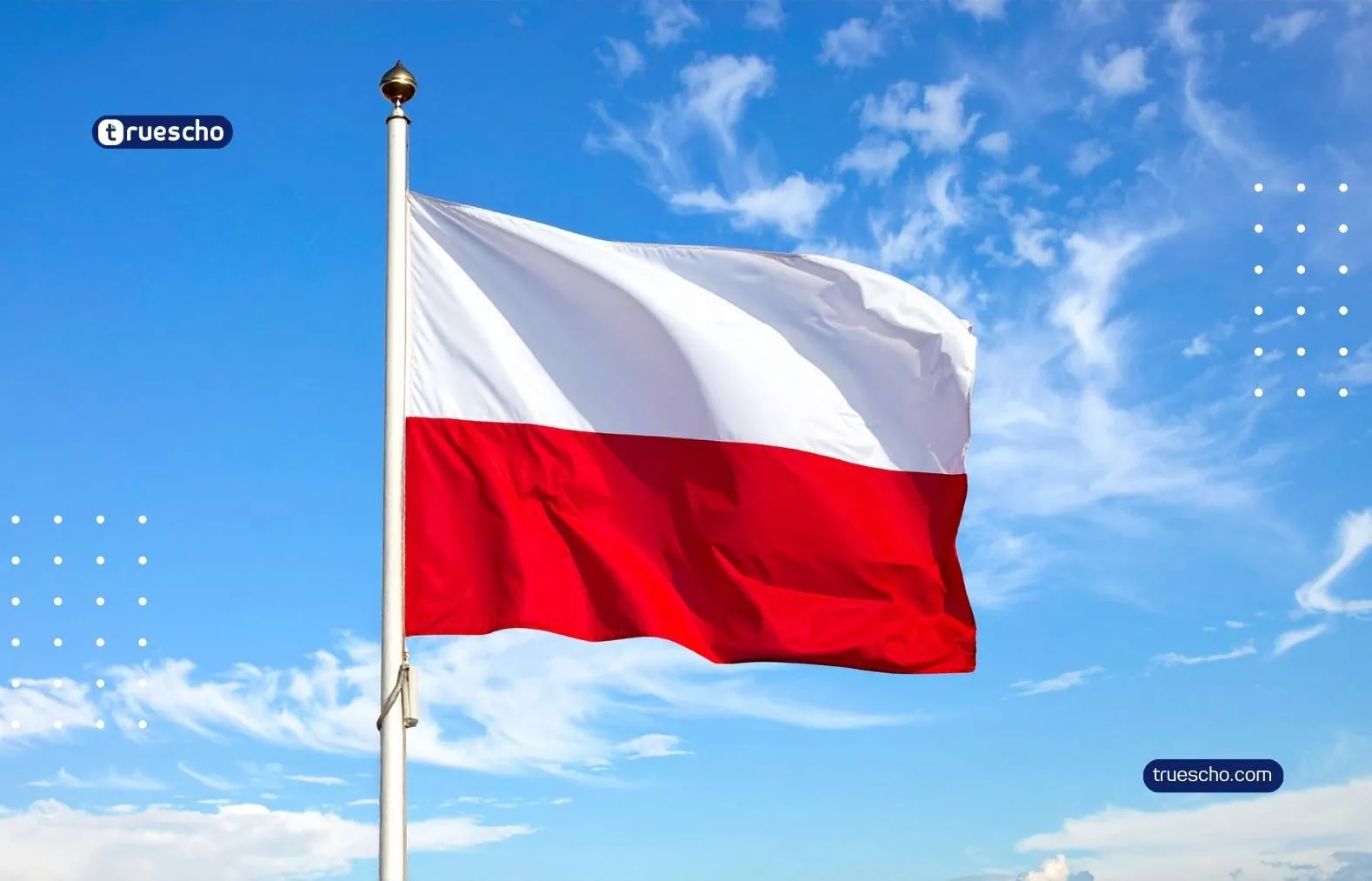
Study in Poland 2026: A complete guide for international students to universities, programs, tuition fees, living costs, scholarships, and step-by-step application and visa process.
Studying in Poland has become one of the most attractive options for international students who want a strong European education with relatively low tuition fees and affordable living costs. Poland is a member of the European Union and the Schengen Area, which means its degrees are widely recognized, and students can enjoy mobility across much of Europe. In this comprehensive guide, you will learn about the advantages of studying in Poland, the structure of higher education, available programs, tuition fees and living costs, scholarships, application steps, visa procedures, and student life.
Why Choose Poland for Your Studies?
There are many reasons why Poland is becoming a top destination for international students:
- Affordable tuition fees compared to Western European countries, while still offering a solid academic level.
- Many English-taught programs in fields such as medicine, engineering, business, IT, and social sciences.
- Recognized degrees following the Bologna system, making it easier to work or continue your studies elsewhere in Europe.
- Rich history and culture with beautiful cities like Warsaw, Kraków, Wrocław, Gdańsk and Poznań.
- Growing job market, especially in IT, engineering, finance, shared services and logistics.
- Possibility to work during and after your studies, which helps you gain experience and support your living costs.
If you are looking for a balance between quality education, reasonable expenses and future opportunities, Poland can be a very smart choice.
You can also explore the Study in Russia
Structure of Higher Education in Poland
Polish higher education follows the Bologna system used across Europe. This makes academic degrees and credits easier to compare and recognize internationally.
1. Bachelor’s Degree (First Cycle)
- Duration: usually 3 years for most academic fields (Licencjat) and 3.5–4 years for engineering (Inżynier).
- Focus: provides fundamental theoretical knowledge and practical skills in a specific major.
- After completion, you can either enter the job market or continue to a Master’s program.
2. Master’s Degree (Second Cycle)
- Duration: usually 1.5–2 years after a Bachelor’s degree.
- Focus: more specialized and advanced courses, plus a Master’s thesis.
- Some fields (like Medicine, Law, Dentistry, Pharmacy) can have long-cycle Master’s programs, where you study directly from secondary school for 5–6 years without a separate Bachelor stage.
3. Doctoral Studies (PhD – Third Cycle)
- Duration: typically 3–4 years.
- Focus: academic research, publications, participation in conferences and teaching activities.
- PhD programs are offered by universities and research institutes.
4. Non-Degree Programs
- Preparatory language courses (for Polish or English).
- Short-term exchange programs and professional development courses.
- Bridging or foundation programs for students who need additional academic preparation.
Most institutions use the ECTS (European Credit Transfer and Accumulation System), which allows students to transfer credits if they participate in exchange programs or continue their studies in another EU country.
Types of Higher Education Institutions and Popular Fields
Poland offers a wide variety of institutions and specializations to choose from.
Types of Institutions
- Traditional Universities Offer programs in humanities, natural sciences, social sciences, law, and more.
- Universities of Technology (Technical Universities) Specialize in engineering, computer science, electronics, mechanical engineering, civil engineering, etc.
- Medical Universities Focus on Medicine, Dentistry, Pharmacy, Nursing, Physiotherapy and other health sciences.
- Economic and Business Universities Specialize in economics, finance, management, marketing, logistics and related fields.
- Art Academies Offer programs in fine arts, design, music, theatre, film and related areas.
- University-type vs non-university-type institutions Some institutions have a strong research focus, while others are more professionally oriented.
Popular Fields Among International Students
International students in Poland often choose programs in:
- Medicine and Dentistry
- Computer Science, IT and Data Science
- Engineering (Mechanical, Electrical, Civil, Mechatronics, etc.)
- Business Administration, Finance and Economics
- International Relations and European Studies
- Architecture and Design
Because many of these programs are available in English, Poland attracts students from Europe, Asia, the Middle East, Africa and Latin America.
You can also explore the Study in Spain
Language of Instruction: English or Polish?
One of the biggest advantages of studying in Poland is the wide range of English-taught programs. Many universities offer entire Bachelor’s and Master’s degrees in English, especially in:
- Business and Management
- Computer Science and Engineering
- Medicine and Health Sciences (in some universities)
- International Relations and Political Science
- Economics, Finance and Banking
If you choose an English-taught program, you will usually need to provide proof of English proficiency (IELTS, TOEFL, or equivalent), unless your previous education was in English or your nationality allows an exemption.
You can also study in Polish, but then you will need to:
- Already speak Polish at a sufficient level, or
- Take a preparatory Polish language course before starting your degree.
Studying in Polish may open additional opportunities, such as lower tuition fees for some programs or broader access to the local job market. In everyday life, learning at least basic Polish is very helpful for communication, shopping, public offices and part-time work.
General Admission Requirements
Admission requirements depend on the degree level, institution and program, but there are some common patterns.
Admission to Bachelor’s Programs
Typically, you will need:
- Secondary school certificate (high school diploma) equivalent to Polish matura.
- Transcript of records showing your grades in relevant subjects.
- Proof that your secondary school certificate is recognized in Poland (sometimes through a process called nostrification at regional education authorities).
- Proof of language proficiency (English or Polish) depending on the language of instruction.
- For certain programs (Medicine, Dentistry, Architecture, Arts, etc.) you may need:
- Entry exams or aptitude tests.
- Portfolio (for architecture, design, arts).
- Interviews or additional subject exams (e.g., Biology and Chemistry for Medicine).
Admission to Master’s Programs
You will usually need:
- A Bachelor’s degree in a relevant or related field.
- Transcript of records and diploma supplement if available.
- Proof of language proficiency.
- CV/Resume and Motivation Letter explaining your academic and professional goals.
- Letters of recommendation (sometimes required, especially for competitive programs).
- In some cases, an interview (online or in person).
Admission to PhD Programs
Requirements may include:
- Master’s degree (or equivalent) in a relevant field.
- Research proposal or concept note.
- Academic CV including publications and conference presentations (if any).
- Letters of recommendation from professors or supervisors.
- Interview with a doctoral committee.
Each university and program may have additional specific requirements, so you must check the official website of the institution you are interested in.
You can also explore the Study in the Netherlands
Tuition Fees in Poland for International Students
Tuition fees in Poland are generally much lower than in Western Europe, especially for non-medical fields. However, they still vary depending on:
- The type of institution (public or private).
- Degree level (Bachelor’s, Master’s, PhD).
- Field of study (Medicine and Dentistry are usually the most expensive).
- Language of instruction (English-taught programs often have higher fees than Polish-taught ones).
As a rough indication:
- Bachelor’s programs: around 1,500–5,000 EUR per academic year for many programs.
- Master’s programs: around 2,000–6,000 EUR per academic year.
- Medical, Dental and some highly specialized programs: can be significantly higher, sometimes above 10,000 EUR per year.
Some public universities have fixed tuition rates for non-EU students, while others may offer discounts or scholarships based on academic performance or nationality. Always check the official fee table on the university’s website, because fees can change from one academic year to another.
Cost of Living and Student Housing in Poland
One of the reasons Poland is attractive is the relatively low cost of living compared to many other European countries.
Estimated Monthly Living Costs
Depending on the city and your lifestyle, as a student you might need approximately:
- 2,500–4,000 PLN per month (roughly 600–1,000 EUR) for:
- Accommodation
- Food and groceries
- Local transport
- Health insurance
- Study materials and personal expenses
The capital Warsaw is usually the most expensive city, while cities like Kraków, Wrocław, Lublin, Łódź or Poznań can be somewhat cheaper, especially in terms of rent.
Types of Student Accommodation
- University Dormitories (Student Houses)
- Usually the cheapest option.
- Shared rooms (2–3 students) with common kitchen and bathroom.
- Monthly cost can range from about 400 to 900 PLN depending on the city and standard.
- Private Shared Apartments
- Popular among international students who want more comfort or privacy.
- Renting a room in a shared flat can cost roughly 1,000–1,800 PLN per month, depending on location and quality.
- Private Studios or One-Bedroom Apartments
- More expensive, suitable for students who prefer to live alone or with a partner/family.
- Prices vary widely by city and neighborhood.
Transport and Daily Life
Polish cities generally have good public transport networks (buses, trams, metro in some cities). Students can get discounts on public transport using their student card, which significantly reduces monthly travel costs.
Everyday expenses like groceries, mobile phone plans and basic services are also relatively affordable compared to Western Europe, making it possible to live decently on a reasonable budget.
Scholarships and Financial Aid
There are several scholarship opportunities available for international students in Poland. These can come from:
- The Polish Government and National Agencies
- Scholarships for students from specific regions or countries.
- Programs that support master’s and doctoral studies in particular fields.
- NAWA (Polish National Agency for Academic Exchange)
- Manages multiple scholarship schemes for international students and researchers.
- Examples include scholarships for citizens of developing countries, certain regional programs and specialized calls.
- Individual Universities
- Many universities offer tuition fee reductions, merit-based scholarships, or scholarships for outstanding academic performance.
- Some institutions grant discounts based on high grades, active student involvement or financial need.
- EU Programs and Exchange Opportunities
- Erasmus+ and other European initiatives allow students to study in Poland for one or two semesters with a partial financial grant.
- Joint or double degree programs may also provide financial support.
When you plan your studies, check both:
- Scholarships at the national level (e.g., through NAWA or government programs).
- Scholarships offered directly by the university and your specific faculty.
Application deadlines for scholarships can be earlier than program deadlines, so it’s important to start your search early.
You can also explore the Study in Australia
Step-by-Step: How to Apply to Study in Poland
To make the process easier, you can think of it as a series of practical steps:
Step 1: Define Your Goals
- Choose the degree level (Bachelor, Master, PhD).
- Identify your field of interest (e.g., Computer Science, Medicine, Business, Engineering).
- Decide whether you prefer studying in English or Polish.
Step 2: Research Universities and Programs
- Visit the central portals and official university websites.
- Compare:
- Admission requirements
- Duration of the program
- Tuition fees
- Location and ranking
- Language requirements
Make a shortlist of 3–6 programs that match your academic profile, budget and language level.
Step 3: Check Admission Requirements Carefully
For each selected program, check:
- Required documents (diplomas, transcripts, translations).
- Required language tests and minimum scores.
- Additional conditions such as entrance exams, interviews or portfolios.
- Application fees, if applicable.
- Application deadlines (many programs have separate early or late rounds).
Step 4: Prepare Your Documents
You will typically need:
- Valid passport.
- Secondary school certificate or Bachelor’s degree diploma (depending on the level), translated into English or Polish by a sworn translator.
- Official transcripts with grades.
- Proof of language proficiency.
- CV/Resume (especially for Master’s and PhD).
- Motivation Letter explaining why you want to study this program in Poland.
- Letters of recommendation (if required).
- Passport-size photos.
Ensure that all documents are scanned clearly and follow the format requested by the university.
Step 5: Submit Your Online Application
- Most universities use their own online admission platform.
- Create an account, fill in your personal data and upload required documents.
- Pay the application fee if needed.
- Double-check everything before submitting.
Step 6: Wait for the Decision and Receive Your Offer
- The university will review your application and inform you if you are:
- Accepted
- Conditionally accepted (needing extra documents or payments)
- Waitlisted
- Rejected
If accepted, you will receive an Acceptance Letter or Offer Letter. The university may ask you to pay part of the tuition in advance to confirm your place.
Step 7: Apply for a Student Visa (for Non-EU/EEA Students)
If you are not from the EU/EEA, you will usually need a national long-term visa (type D) to study in Poland.
You will likely need:
- Valid passport.
- Completed visa application form.
- Biometric photos.
- Acceptance letter from the university.
- Proof of financial resources to cover tuition and living costs.
- Confirmation of accommodation or at least a housing plan.
- Health insurance valid in Poland.
- Proof of paid visa fee.
You must apply at the Polish embassy or consulate in your country or region. Processing times vary; therefore you should apply as early as possible after receiving your acceptance letter.
Step 8: Travel to Poland and Register
- Travel before your program starts, so you have time to settle, register at the university and attend any orientation sessions.
- Complete your university registration, obtain your student ID card and organize your schedule.
- Within Poland, apply for a temporary residence permit if your stay will be longer than your visa validity.
You can also explore the Study in South Korea
Working During and After Your Studies
Part-Time Work During Studies
In many cases, international students in Poland are allowed to work part-time, especially if they are enrolled in full-time studies at a recognized institution. The exact rules can depend on your citizenship and residence status, but generally:
- EU/EEA students can work without additional permits.
- Non-EU students often have the right to work during their studies under certain conditions, especially if they have a residence permit for study purposes.
Typical student jobs include:
- Working in cafés, restaurants, shops or call centers.
- Internships and junior positions in IT, marketing or administration.
- On-campus jobs, such as student assistant roles.
Working After Graduation
After graduation, you may:
- Apply for an extension of your temporary residence permit to look for a job or start work.
- Use your Polish diploma to find opportunities in Poland’s growing economy or elsewhere in the EU.
Graduates in fields like IT, engineering, finance, logistics and healthcare often find good career opportunities, especially if they speak both English and Polish.
Student Life and Culture in Poland
Student Cities
Poland has many vibrant student cities:
- Warsaw – the capital, with many universities, international companies and cultural events.
- Kraków – historic and picturesque, known for its large student population and active nightlife.
- Wrocław, Poznań, Gdańsk, Lublin, Łódź – each offers its own character, good universities and a more relaxed or lower-cost lifestyle compared to the capital.
Student Activities
Universities have various student organizations, clubs and associations dedicated to:
- Sports and fitness
- Music, theatre and arts
- Volunteering and charity projects
- International student communities and cultural exchange
Many cities organize festivals, concerts and cultural events throughout the year, so you can enjoy more than just your academic life.
Safety and Lifestyle
Poland is considered relatively safe compared to many other countries. Like anywhere, it is wise to stay aware of your surroundings and follow basic safety rules, but major student cities are generally friendly and welcoming to foreigners.
You will find supermarkets, shopping malls, libraries, parks and sports centers in most cities, and internet access is widely available and affordable.
Tips for Choosing the Right Program and Succeeding in Poland
- Clarify your long-term goals Decide whether you want to build a career in Poland, return to your home country, or move elsewhere in Europe after graduation. This will influence your choice of field and language.
- Check recognition of the degree in your home country For regulated professions such as Medicine, Dentistry, Pharmacy, Law or Teaching, make sure the degree will be acknowledged by your national authorities.
- Balance quality and cost A more prestigious university in a very expensive city may not always be the best option for your budget. Sometimes a slightly smaller city with good programs can offer better overall value.
- Apply early and prepare carefully Give yourself enough time to prepare documents, take language tests, translate and legalize certificates, and apply for a visa.
- Learn at least basic Polish Even if your program is in English, knowing some Polish will help you in daily life, internships and job searches. It also shows respect for the local culture.
- Use official sources of information Always rely on official websites of universities, government portals and recognized agencies to avoid outdated or incorrect information.
Official Sources and Useful Links
Scholarships Expert
Writer at Truescho Blog — We provide trusted content about scholarships, study abroad, and immigration.