
Study in Switzerland 2026: A Comprehensive Guide to Universities, Costs, Scholarships and Application Steps for International Students
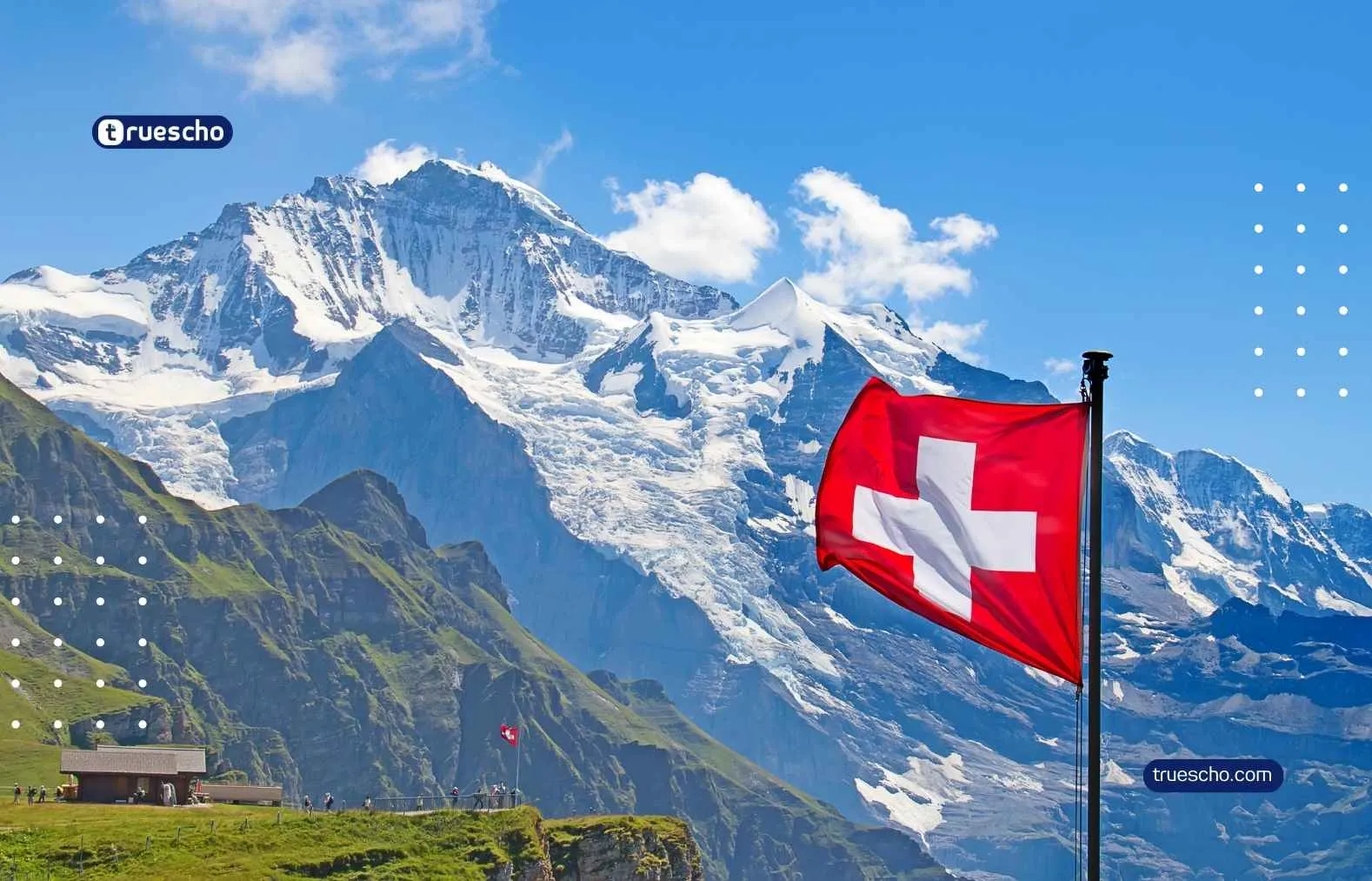
Study in Switzerland 2026: A complete guide for international students to universities, study programmes, tuition fees, living costs, Swiss Government Excellence Scholarships and step-by-step application and visa procedures.
Switzerland is famous worldwide for its mountains, chocolate and watches – but for international students, it is also a top destination for high-quality higher education, cutting-edge research, and a multicultural environment at the heart of Europe. Despite its small size, Switzerland hosts several top-ranked universities and attracts tens of thousands of international students every year.
In this complete guide, you’ll find everything you need to know about studying in Switzerland: how the higher education system is structured, types of institutions, popular fields of study, tuition fees, living costs, scholarships and funding options, the application and visa process, work opportunities, and student life – plus official links at the end.
Why Study in Switzerland?
Key reasons why Switzerland is so attractive to international students:
- Excellent universities and research Switzerland is home to globally renowned institutions such as ETH Zurich, University of Zurich and University of Geneva, which consistently rank among the best in Europe in engineering, natural sciences, economics and more.
- Multilingual and international environment With four national languages (German, French, Italian and Romansh) and many English-taught programmes, Switzerland offers a unique linguistic and cultural setting for students from all over the world.
- Reasonable tuition fees in public universities While the cost of living is high, tuition fees at public universities are relatively low, usually between CHF 500 and CHF 2,000 per semester, depending on the institution and programme.
- Very high quality of life Switzerland scores highly for safety, infrastructure, public services and environmental quality – but this also means that everyday expenses are significantly higher than in many other countries.
- Strong job market and internships International financial centres, pharmaceutical and biotech giants, engineering firms and world-leading hospitality schools create excellent prospects for internships and employment.
You can also explore the Study in South Korea
Swiss Higher Education System
Switzerland follows the Bologna three-cycle structure:
1. Bachelor’s Degree
- Usually 3 years (180 ECTS credits).
- Provides fundamental knowledge and skills in a specific field.
2. Master’s Degree
- Typically 1.5–2 years (90–120 ECTS credits).
- Offers advanced, specialised training and includes a research-based Master’s thesis.
3. Doctoral / PhD Studies
- Normally 3–4 years or more.
- Focus on independent research, publications and academic activities.
ECTS credits make it easier to transfer between Swiss and other European institutions.
Types of Higher Education Institutions
According to the official Study in Switzerland+ portal, there are over 4,000 study programmes offered by Swiss higher education institutions.
- Universities Research-oriented institutions offering programmes in sciences, humanities, social sciences, law, economics, medicine and more.
- Universities of Applied Sciences and Arts (UASAs) Practice-oriented institutions with strong links to industry and a focus on employability.
- Universities of Teacher Education and Arts Schools Specialised institutions training teachers and artists (music, design, theatre, visual arts).
Popular Fields of Study
International students in Switzerland often choose:
- Business, Economics and Finance
- Hospitality and Tourism Management
- Engineering (mechanical, electrical, civil, etc.)
- Computer Science, Artificial Intelligence, Data Science
- Natural Sciences (Physics, Chemistry, Biology)
- International Relations, Law and European Studies
Swiss hospitality schools, in particular, are among the best in the world.
You can also explore the Study in Australia
Language of Instruction
Switzerland offers programmes in:
- German, French and Italian – especially at Bachelor’s level, depending on the region.
- English – especially at Master’s and PhD level, in many technical and business-related fields.
Most universities require official language certificates (IELTS/TOEFL for English; TestDaF/DSH for German; DELF/DALF for French; CILS/CELI for Italian), proving that you can follow lectures in the chosen language.
Even if you study in English, learning the local language will make everyday life easier and increase your chances in the job market.
Admission Requirements for International Students
Admission requirements differ slightly between institutions and programmes, but generally include:
Bachelor’s Admission
- Secondary school leaving certificate giving access to university in your home country.
- Official transcripts of grades.
- Proof of language proficiency (German/French/Italian/English, depending on the programme).
- For some fields: entrance exams, aptitude tests or portfolios.
Master’s Admission
- Bachelor’s degree in a relevant field.
- Transcript of records.
- CV and motivation letter.
- Language certificates.
- Sometimes letters of recommendation and an interview.
PhD Admission
- Relevant Master’s degree.
- Research proposal and academic CV.
- References and, often, preliminary agreement from a potential supervisor.
Always check the official website of each university for precise, up-to-date requirements.
Tuition Fees in Switzerland
Switzerland is expensive to live in, but tuition fees at public universities are relatively modest:
- Many public universities charge between CHF 500 and CHF 2,000 per semester for most programmes.
- The swissuniversities website lists examples such as:
- University of Basel: CHF 850 per semester
- University of Bern: CHF 750–950 per semester
- University of Fribourg: CHF 720–870 per semester
Private institutions and specialised hospitality or business schools can charge much higher annual tuition fees, so you must verify costs directly with each school.
Cost of Living and Student Accommodation
Switzerland is consistently ranked among the most expensive countries in the world.
For international students, several sources estimate that you should budget roughly CHF 1,500–2,500 per month to cover accommodation, food, transportation, health insurance and personal expenses, depending on the city and lifestyle.
More general estimates for a single person (including rent) place monthly costs in the range of CHF 2,500–3,500.
Housing Options
- Student dormitories – rooms in student residences, often between CHF 500–900 or more per month.
- Shared apartments (WG) – one of the most popular options, where several students share an apartment to split costs.
- Private apartments – the most expensive option, especially in Zurich and Geneva.
Because housing is in high demand, it’s important to start your search early and use the accommodation information provided on Study in Switzerland+ and university websites.
Scholarships and Funding
1. Swiss Government Excellence Scholarships
The Swiss Government Excellence Scholarships programme supports international researchers and artists:
- Designed mainly for postgraduates (Master’s, PhD, Postdoc) and art students at Master’s level.
- Open to candidates from over 180 countries.
- Typically covers:
- Monthly stipend
- Health insurance
- Tuition fee support or waiver
- Sometimes contribution to travel costs
Applications are handled through Swiss embassies or national authorities in each country.
2. University Scholarships
Many Swiss universities offer:
- Merit-based tuition waivers for outstanding students.
- Need-based support grants.
- Specific scholarships for certain nationalities or study fields.
3. Study in Switzerland+ Funding Information
The official Study in Switzerland+ portal has a dedicated section on scholarships and funding opportunities, with an overview of national and institutional schemes.
You can also explore the Study in the Netherlands
Application Process: Step by Step
Unlike some countries, Switzerland does not have a single centralised application portal for all universities. Generally, you:
Step 1 – Choose Degree, Field and Institution
- Decide on your degree level (Bachelor, Master, PhD) and subject area.
- Use Study in Switzerland+ and other reliable guides to identify suitable programmes.
Step 2 – Check Programme Requirements
On each university’s programme page, carefully read:
- Academic prerequisites
- Language requirements
- Required documents (CV, motivation letter, portfolio, etc.)
- Application deadlines
Step 3 – Prepare Documents
- Passport
- Diplomas and transcripts (officially translated and authenticated if necessary)
- Language test results
- CV and motivation letter
- Recommendation letters (for graduate programmes)
- Research proposal for PhD programmes
Step 4 – Apply to the University
- Create an account on the university’s application system.
- Upload all required documents and pay any application fee.
- Wait for the admission decision.
Step 5 – Apply for Student Visa and Residence Permit
If you are a non-EU/EFTA citizen:
- You must apply for a student visa at the Swiss embassy/consulate in your country before travelling.
- You will need:
- Letter of admission
- Proof of sufficient financial means (often in the range of CHF 25,000–35,000 per year to cover tuition and living expenses)
- Proof of health insurance
- Proof of accommodation
- Completed application forms and photos
It may take at least 8 weeks for the visa to be issued, so apply early.
Step 6 – Arrive in Switzerland and Enrol
- Finalise your enrolment at the university, pay tuition/fees, and receive your student ID card.
- Register with local authorities in your canton, if required.
Working During and After Studies
- International students can usually work part-time under certain conditions linked to their residence permit.
- Typical student jobs include work in hospitality, retail, campus services or internships.
After graduation, you may be able to extend your stay to look for a job or move to an employment-based residence permit, depending on Swiss immigration regulations.
You can also explore the Study in Spain
Student Life in Switzerland
- Major student cities include Zurich, Geneva, Lausanne, Basel, Bern and Neuchâtel.
- You can enjoy a mix of urban life and amazing nature: lakes, mountains and ski resorts are never far away.
- Student organisations organise cultural events, sports activities and international evenings to help you integrate and make friends.
Official Sources and Useful Links
- Study in Switzerland+ – Official portal for study programmes, institutions, accommodation, admissions and funding https://www.studyinswitzerland.plus
- swissuniversities – Official site for Swiss universities (tuition fee tables, recognition, study information) https://www.swissuniversities.ch
- Swiss Government Excellence Scholarships – Official Swiss government page for international scholarships
Scholarships Expert
Writer at Truescho Blog — We provide trusted content about scholarships, study abroad, and immigration.