
Study in Bulgaria for Arab Students 2026: A Complete Guide to Tuition, Living Costs, Admission, Scholarships
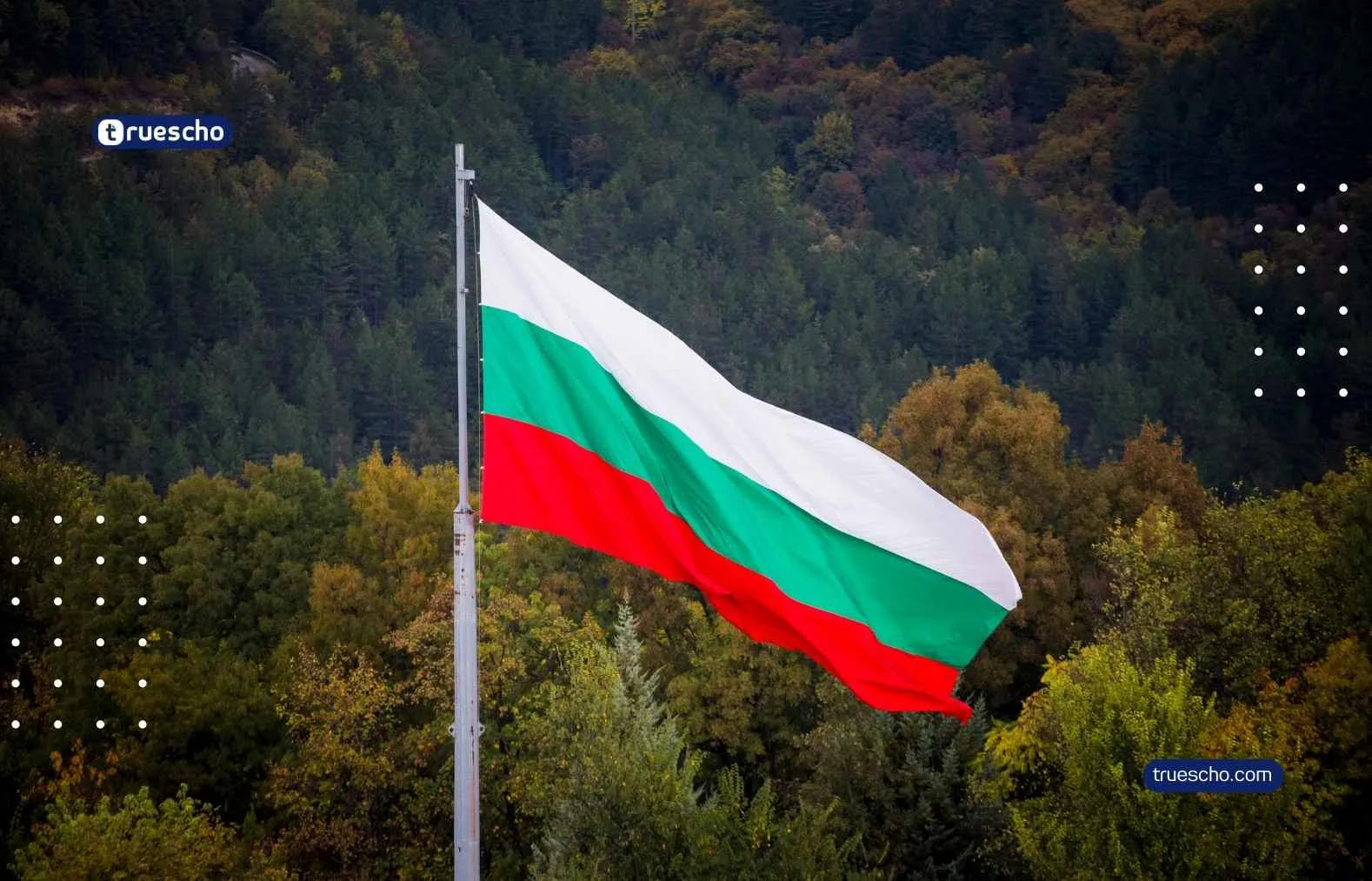
Studying in Bulgaria for Arab students is a smart, budget-friendly way to earn a European degree. This comprehensive guide covers the Bulgarian higher education system, tuition and living costs, admission requirements, scholarships, and student visa steps, along with practical tips to choose the right university and plan your study in Bulgaria effectively.
Bulgaria is becoming an increasingly popular destination for international students who want a European degree at a relatively low cost. Located in Southeast Europe and a member of the European Union, Bulgaria offers a mix of affordable tuition fees, low living costs, and a growing number of English-taught programs, especially in medicine, engineering, and business.
For Arab students, Bulgaria can be a smart choice: you study in Europe, pay lower fees than in Western European countries, and live in a safe and calm environment with a European academic framework.
Overview of the Bulgarian Higher Education System
The higher education system in Bulgaria consists of state and private universities, specialized higher schools, and independent colleges. There are over 50 higher education institutions in the country, including comprehensive universities, specialized academies, and colleges.
Degrees are structured into three main cycles:
- Bachelor’s degree (First cycle) – usually 3–4 years, depending on the field and institution
- Master’s degree (Second cycle) – normally 1–2 years after a Bachelor’s degree
- PhD/Doctoral degree (Third cycle) – typically at least 3 years after a Master’s degree
The system follows the European Credit Transfer and Accumulation System (ECTS), which makes mobility and recognition within Europe easier.
Language of Instruction: Bulgarian vs English
Bulgarian is the official language, and many programs are taught in Bulgarian, especially for local students. However, one of the key advantages for international students is the growing number of full English-taught programs, particularly in:
- General Medicine, Dentistry, Pharmacy
- Engineering and IT
- Business and Economics
- Certain social sciences and international relations
Many universities actively promote their English programs to attract foreign students, and some offer introductory Bulgarian language courses to help you with everyday life.
For admission to English-taught programs, you will usually need to prove your English proficiency through IELTS, TOEFL, or another recognized certificate, or pass an internal language test/interview organized by the university.
You can also explore the Study in India for Arab Students
Main Study Cities and Universities
Several cities stand out as major higher education hubs:
- Sofia – The capital and largest city, home to Sofia University “St. Kliment Ohridski” and several other universities, including technical and economic institutions.
- Plovdiv – A historic city with universities in humanities, sciences, and a well-known medical university.
- Varna – A coastal city on the Black Sea, hosting a medical university and institutions in economics, business, and maritime studies.
- Pleven – Known primarily for the Medical University of Pleven, attracting many foreign medical students.
- Burgas, Ruse, Veliko Tarnovo and others – Smaller but important university towns with various programs.
When choosing a city, you should consider:
- Strength of your chosen field in that city
- Overall cost of living
- Climate and lifestyle (coastal vs inland, big city vs smaller town)
- Presence of international and/or Muslim communities if that matters to you
Popular Study Fields for Arab Students in Bulgaria
- Medicine, Dentistry, and Pharmacy Bulgaria is especially known for its English-taught medical programs. Tuition fees are lower than in Western Europe while degrees are recognized across the EU (subject to national licensing requirements). Medical studies usually last 6 years, dentistry and pharmacy about 5–6 years.
- Engineering and Technology Many universities offer programs in civil, mechanical, electrical, electronics, computer engineering, and IT. Some of these are available in English, particularly in larger cities.
- Business, Economics, and Management BBA, MBA, and specialized master’s programs in finance, marketing, and international business are common and relatively affordable, with possibilities for internships and practical training.
- Social Sciences and International Relations Programs in European studies, political science, sociology, psychology, and international relations can also be interesting options, especially for students aiming for careers in public policy, diplomacy, or NGOs.
Tuition Fees for International (Non-EU) Students
Tuition fees vary depending on:
- The institution (state vs private)
- The field of study (medicine usually being the most expensive)
- Language of instruction (English-taught programs often cost more than Bulgarian ones)
As a general indication for international students at public universities:
- Arts and Humanities, some Social Sciences: about 2,000 – 3,000 EUR per year
- Engineering, IT, Business: roughly 2,500 – 4,000 EUR per year
- Medicine and Dentistry: commonly 6,000 – 8,000 EUR per year, depending on the university
These ranges are approximate and can differ from one university to another and from year to year. Always check the official fee schedule on the university website.
You can also explore the Study in Finland for International Students
Living Costs in Bulgaria
One of Bulgaria’s biggest advantages is its low cost of living compared with many other EU countries. Different sources suggest that international students can live on around 300 – 500 EUR per month in many Bulgarian cities, depending on personal lifestyle and housing choices.
A rough breakdown:
- Accommodation
- University dormitories/shared rooms: approx. 150 – 250 EUR per month
- Private studios or apartments: about 250 – 400 EUR per month (or more in central areas of big cities)
- Food If you cook at home and shop in local markets or supermarkets, a monthly food budget of 120 – 200 EUR can be realistic.
- Transportation Public transport is affordable, and students often receive discounts. A monthly pass in many cities may cost around 20–30 EUR.
- Other expenses Mobile phone, internet, personal items, and occasional entertainment can add another 80–150 EUR per month.
Overall, a monthly student budget of 300–500 EUR is often enough for a modest but comfortable lifestyle.
General Admission Requirements for Arab Students
Exact requirements vary between institutions and programs, but you can expect:
- A recognized secondary school diploma (for Bachelor’s) or Bachelor’s degree (for Master’s), with transcripts
- Official translation and legalization of your documents into English or Bulgarian
- A minimum GPA (for example, some guidelines mention at least about 62% for Bachelor’s and 72% for Master’s in certain institutions)
- Proof of English language proficiency for English-taught programs (IELTS, TOEFL, or internal test/interview)
- Copy of passport
- CV and Statement of Purpose (especially for Master’s and PhD)
- Letters of Recommendation for postgraduate programs
- Financial proof that you can cover tuition and living costs
For medical and certain technical programs, entrance exams (e.g., in Biology and Chemistry for Medicine) may be required, so always carefully review the “Admission” or “Foreign Students” section of your chosen faculty.
Application Process: No Central Portal
Unlike some countries that have a single national application portal, Bulgaria does not have a centralised online platform for all universities. Applications are generally made directly to each university and, in some cases, to specific faculties.
Typical steps:
- Research universities and programs Use official sources, such as the Bulgarian Ministry of Foreign Affairs page “Studying in Bulgaria” and the National Evaluation and Accreditation Agency (NEAA) list of accredited institutions, to identify recognized universities.
- Check admission information Visit the “International Students” or “Admission” pages to find detailed requirements, deadlines, and fee structures.
- Prepare your documents Translate and legalize your academic documents, prepare your CV, motivation letter, recommendation letters, and copies of your passport.
- Submit your application Many universities accept online applications; some still require you to send documents by post or email.
- Receive an offer and confirm your place If accepted, you may need to pay a deposit or first instalment of the tuition fee to secure your seat.
- Obtain the official acceptance letter This letter is crucial for your student visa application.
You can also explore the Study in Switzerland
Student Visa for Bulgaria (Type D Visa)
Most Arab students (as non-EU citizens) need a long-term visa (Type D) to study in Bulgaria. You generally apply at the Bulgarian embassy or consulate in your home country.
While requirements can vary, you will typically need:
- A valid passport with sufficient validity and blank pages
- An official acceptance letter from a Bulgarian university stating the program and duration
- Proof of financial means (bank statements, scholarship/sponsor letter)
- Evidence of accommodation (university dorm confirmation or rental contract)
- Health insurance valid in Bulgaria
- Passport-size photos and a completed visa application form
- Visa fee, as specified by the embassy
After arrival, long-term foreign students usually need to apply for a residence permit (ID card) in Bulgaria, often with guidance from the university.
Scholarships and Financial Support
Bulgaria is relatively affordable, so scholarship options are more limited than in some other countries, but there are still possibilities:
- Government/Intergovernmental Scholarships Some scholarships are available under bilateral agreements between Bulgaria and other countries, covering or reducing tuition fees or supporting mobility and academic exchange.
- University Scholarships
Many universities offer:
- Merit-based scholarships for excellent academic performance
- Small grants or tuition reductions for continuing students
- Occasional support for international students
- Scholarships from Your Home Country In some Arab countries, ministries of higher education or private foundations provide funding for study abroad, including study in Bulgaria, if the institution is officially recognized.
You should always plan your finances assuming that you will pay most of the costs yourself, and treat any scholarship as an extra benefit rather than something guaranteed.
Pros and Cons of Studying in Bulgaria for Arab Students
Pros:
- Low tuition fees compared to many other EU countries
- Affordable living costs
- English-taught programs in high-demand fields (Medicine, Engineering, Business)
- EU-member state, which can help with recognition and mobility
- Calm and relatively safe environment, with beautiful nature and historic cities
Cons and Challenges:
- Bulgarian language may be a barrier in everyday life if you do not learn at least the basics
- Fewer large Arab communities compared with countries like Germany or Turkey
- Limited scholarship opportunities
- Need to carefully check degree recognition and licensing requirements in your home country, especially for regulated professions
Practical Tips Before You Decide
- Always verify recognition of the university and program in your country
- Speak to current or former students (Arab or international) to get real feedback
- Prepare a realistic budget for tuition and living costs
- Learn some basic Bulgarian phrases to make daily life easier
- Be mentally ready for cultural differences, climate (cold winters), and a new lifestyle
You can also explore the Study in South Korea
Conclusion
For Arab students who want to study in Europe without extremely high costs, Bulgaria can be a very attractive option. You get a European degree, access to English-taught programs in key fields, and relatively low living expenses.
However, success requires good preparation: choosing accredited universities, understanding admission and visa requirements, planning your finances carefully, and being ready to adapt to a new culture and language. If you do this, your study experience in Bulgaria can be academically strong and personally enriching.
Official Links and Resources
- Ministry of Education and Science of the Republic of Bulgaria (general information and policies on education): https://www.mon.bg
- “Studying in Bulgaria” page of the Bulgarian Ministry of Foreign Affairs (list of institutions and information for foreign students): https://www.mfa.bg/en/155
- National Evaluation and Accreditation Agency (NEAA) – list of accredited higher education institutions in Bulgaria: https://www.neaa.government.bg
Scholarships Expert
Writer at Truescho Blog — We provide trusted content about scholarships, study abroad, and immigration.