
Study in Ireland for international students 2026
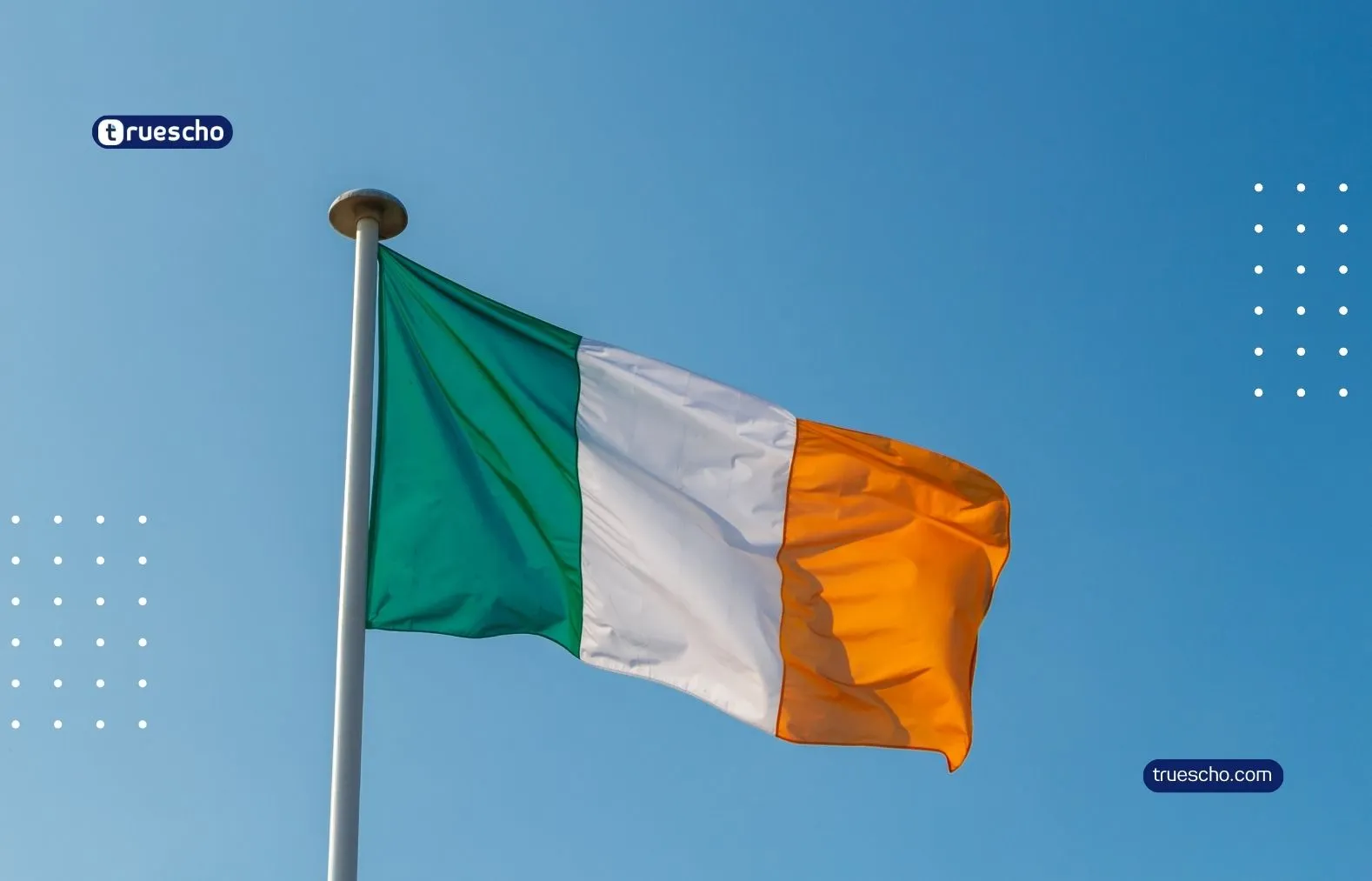
Study in Ireland for international students 2026: a complete guide to top universities, programmes, tuition fees, living costs, scholarships, admission requirements, student visas and graduate work opportunities in Ireland.
1. Introduction: Why Study in Ireland?
Ireland has become one of Europe’s most attractive destinations for international students, especially in:
- Information Technology and Computer Science
- Engineering and related disciplines
- Business and Management
- Pharmacy and Health Sciences
It offers:
- High-quality education with globally ranked universities
- A dynamic, English-speaking economy with many global companies
- A safe, welcoming environment for international students
- A gateway to career opportunities in Europe and beyond
According to official promotion portals, studying in Ireland combines world-class education with strong career prospects and a rich cultural experience.
In this guide, you’ll learn about:
- Ireland’s higher education system
- Top universities and popular programmes
- Admission requirements (Bachelor’s, Master’s, PhD)
- Tuition fees and scholarships
- Living costs and student life
- Student visa and residence permit
- Practical tips for international (especially Arab) students
You can also explore the Study in Finland for International Students
2. Overview of Higher Education in Ireland
Ireland’s higher education system includes:
2.1 Universities
Research-oriented institutions offering:
- Bachelor’s degrees (usually 3–4 years)
- Master’s degrees (1–2 years)
- Doctoral programmes (3–4+ years)
2.2 Technological Universities and Institutes of Technology
These focus more on professionally oriented and applied programmes, particularly in:
- Engineering and technology
- IT and computing
- Business and marketing
- Hospitality, tourism, and services
Top universities for international students include Trinity College Dublin, University College Dublin, University College Cork, University of Galway, University of Limerick, Dublin City University and Maynooth University.
3. Why Choose Ireland?
3.1 Strong Education and International Recognition
Irish degrees are fully aligned with the European Higher Education Area, making them widely recognized and easily comparable with degrees from other EU countries.
Universities in Ireland perform strongly in global rankings and are well known in areas like:
- Computer Science and IT
- Business and Economics
- Pharmacy and Life Sciences
- Engineering and Environmental Science
3.2 Booming Knowledge Economy
Ireland hosts European or EMEA headquarters for many leading companies in:
- Tech (Google, Meta, Apple, Microsoft, etc.)
- Pharmaceuticals and MedTech
- Financial services and consulting
This creates attractive opportunities for:
- Internships during your studies
- Graduate jobs and career development afterwards
3.3 English-Speaking Environment
For many international students, especially from the Arab world, it is a major advantage that:
- English is the main language of instruction
- Everyday life (shops, services, public transport) is in English
You don’t need to learn a completely new language to function academically and socially.
3.4 Safe and Friendly Society
Ireland is known for:
- Relatively low crime rates
- Friendly, open people
- A vibrant student culture in cities like Dublin, Cork, Galway, Limerick and Maynooth
You can also explore the Study in Switzerland
4. Top Universities and Study Fields
4.1 Leading Universities
Some of the key universities welcoming international students are:
- Trinity College Dublin (TCD) – Ireland’s oldest university, strong in Computer Science, Engineering, Medicine, Humanities and Social Sciences.
- University College Dublin (UCD) – a large research university, strong in Business, Engineering, Agriculture, Veterinary Medicine and more.
- University College Cork (UCC)
- University of Galway
- University of Limerick (UL)
- Dublin City University (DCU)
- Maynooth University
Recent rankings and study-abroad guides consistently list these as top choices for international students in Ireland.
4.2 Popular Fields for International Students
Common choices include:
- Computer Science & IT Computer Science, Software Engineering, Data Science, AI & Machine Learning, Cybersecurity, Information Systems.
- Engineering Electrical & Electronic Engineering, Mechanical Engineering, Civil Engineering, Biomedical Engineering, Energy & Environmental Engineering.
- Business & Management Business Administration, International Business, Marketing, Finance, Accounting, Entrepreneurship, MBA.
- Health & Life Sciences Pharmacy, Public Health, Biomedical Sciences, Nutrition and related fields.
- Humanities & Social Sciences Law, International Relations, Media & Communication, Education, Psychology, Sociology.
5. Language of Instruction
5.1 English-Taught Programmes
Most degrees aimed at international students are taught entirely in English, especially at:
- Master’s level
- A growing number of Bachelor’s programmes
Programmes specify the required English level (IELTS/TOEFL or equivalent). Typical minimum scores:
- IELTS 6.0–6.5 for many Bachelor’s
- IELTS 6.5–7.0 for many Master’s
5.2 Improving Your English
You’ll need strong skills to:
- Write essays and research papers
- Deliver presentations
- Participate in class discussions and group projects
It’s wise to strengthen your English before arrival and to make use of any language support offered by your institution.
6. Admission Requirements
6.1 Bachelor’s Admission
You generally need:
- A high school diploma equivalent to Irish Leaving Certificate
- Sufficient grades for your chosen course (requirements vary by programme)
- Proof of English proficiency (IELTS/TOEFL or equivalent)
- Sometimes:
- Academic references
- A short personal statement or motivation letter
Competitive programmes (e.g. Medicine, some Engineering or Business degrees) might set higher academic standards or require additional assessments.
6.2 Master’s Admission
Typical requirements:
- A relevant Bachelor’s degree in a related field
- A strong academic record
- English test results (e.g. IELTS 6.5–7.0)
- A CV/resume
- A motivation letter explaining your academic background, reasons for choosing the programme and your future goals
- 1–2 reference letters
- In some cases, relevant work experience (especially for business or applied Master’s)
6.3 PhD Admission
Doctoral programmes usually require:
- A Master’s degree in a relevant discipline
- A research proposal or clear research interests
- Agreement from a supervisor or research group
- Evidence of research potential (thesis, publications, conferences)
- English proficiency at a high level
You can also explore the Study in South Korea
7. Tuition Fees
Tuition fees vary widely depending on:
- Your residency (EU vs non-EU)
- Institution and programme
- Field of study (STEM/Medicine vs Arts/Humanities)
For non-EU international students, recent estimates suggest:
- Undergraduate degrees: roughly €9,000–€25,000 per year for most programmes, with highly specialised or medical courses at the upper end or beyond.
- Postgraduate degrees (Master’s): about €9,000–€35,000 per year, again with Medicine, Dentistry and some MBAs being more expensive.
- Specialist medical/health programmes: can reach €35,000–€60,000 per year in some cases.
In addition, all students usually pay an annual student contribution fee, which can be up to around €3,000 per year for services like exams, student facilities and clubs.
Always check the exact fee on the official course page, as fees can change yearly.
8. Scholarships and Funding
8.1 Government of Ireland International Education Scholarships
The Government of Ireland International Education Scholarships (GOI-IES) scheme offers:
- A €10,000 stipend for one year of full-time study at NFQ level 9 or 10 (Master’s or PhD)
- A full tuition fee waiver from the host higher education institution for that year
These awards are highly competitive and targeted at excellent students.
8.2 University Scholarships
Many universities offer their own scholarships for non-EU students, for example:
- Partial tuition fee waivers (e.g. €2,000–€5,000 or a percentage discount)
- Merit-based scholarships for high-performing applicants
Each institution has its own rules and deadlines, so check the “Fees & Funding” or “Scholarships” section on the university website.
8.3 Other Sources
You may also consider:
- Scholarships from international organizations or foundations
- Scholarships or sponsorship from your home country’s government or private sector
9. Cost of Living in Ireland
Ireland is relatively expensive, especially in Dublin. However, careful planning can make your budget manageable.
Average yearly living costs for international students are estimated at around €10,000–€20,000, which means approximately €800–€1,600 per month, depending on city and lifestyle.
9.1 Accommodation
Accommodation is the largest expense:
- Shared room or shared apartment: roughly €400–€850 per month depending on the city and housing type
- On-campus or private student residences: typically at the higher end of this range or even more, especially in Dublin
9.2 Other Monthly Expenses
- Groceries/food: about €250–€400 per month
- Public transport: around €50–€100 per month with student discounts
- Internet and mobile phone: €25–€40 per month
- Health insurance: roughly €500 per year on average
- Personal expenses (clothes, leisure, books): €80–€150 per month
10. Student Visa and Residence Permit
10.1 Who Needs a Visa?
If you are a non-EEA national coming to study in Ireland, you may need a long-stay study visa (D visa) before travelling.
10.2 Main Visa Requirements
Key items typically include:
- A valid passport (often required to be valid for at least 12 months after arrival)
- A Letter of Acceptance from a recognized Irish institution for a full-time course on the Interim List of Eligible Programmes
- Proof that tuition fees are paid (in full or partially, depending on the policy)
- Evidence of sufficient financial resources to cover:
- At least €10,000 for living costs per year (as a guideline)
- Remaining tuition fees if not already paid
- A personal statement explaining why you want to study in Ireland
- Health insurance
- Clean criminal record certificate (in some cases)
You should apply up to 3 months before your travel date, through the official Irish Immigration website and your local embassy/consulate.
10.3 Residence Permission in Ireland
Once in Ireland:
- You must register with immigration authorities and apply for an Irish Residence Permit (IRP) as a student
- This card confirms your right to live and study in Ireland and sets the conditions for work during your stay
11. Working During and After Your Studies
11.1 Part-Time Work as a Student
Non-EU international students are usually allowed to:
- Work up to 20 hours per week during term-time
- Work up to 40 hours per week during holidays (as defined by the immigration rules)
Part-time work can:
- Help with living costs
- Build your CV
- Improve your communication skills
But it is not enough to rely on as your only source of funding.
11.2 After Graduation
Ireland offers a Third Level Graduate Programme which allows eligible graduates from Irish institutions to remain in the country for a period (typically 12–24 months, depending on degree level) to seek employment.
If you secure a qualifying job, you can apply for:
- A work-based residence permit (e.g. Critical Skills Employment Permit for certain professions)
- A change of status from student to worker
You can also explore the Study in Australia
12. Application Process: Step-by-Step
- Choose your programme and institution
- Use Education in Ireland or official government resources to identify suitable programmes.
- Check entry requirements
- Academic prerequisites
- English language requirements
- Application deadlines
- Prepare your documents
- Passport
- Academic transcripts and diplomas (translated and legalized if necessary)
- English test results
- CV/resume
- Motivation letter
- References
- Submit your application
- Through the institution’s online system or centralised application platform (if applicable)
- Receive and accept your offer
- Accept the offer and pay any required deposits or tuition fees
- Apply for a student visa
- Through the official Irish Immigration website and your local embassy
- Travel to Ireland and register
- Attend registration and orientation at your institution
- Apply for your Irish Residence Permit (IRP)
You can also explore the Study in Spain
13. Tips for International (Especially Arab) Students
- Strengthen your English before arrival; academic reading and writing can be demanding.
- Plan your budget realistically, including rent, food, transport and emergency funds.
- Research cities carefully: Dublin is lively but expensive; Cork, Galway or Limerick may offer a lower cost of living.
- Use your time wisely: get involved in clubs, internships and networking opportunities.
- Stay proactive with visa and immigration rules: keep your documents up to date and respect working limits.
- Look after your wellbeing: Ireland’s weather can be rainy and grey; maintaining healthy routines and a social circle is important.
14. Official Sources and Useful Links
- Education in Ireland – official portal for international students (programmes, institutions, funding, visas) https://www.educationinireland.com
- EU Immigration Portal – Student in Ireland (conditions and procedures for non-EU students)
Scholarships Expert
Writer at Truescho Blog — We provide trusted content about scholarships, study abroad, and immigration.